The REAL Pros & Cons of This Explosive Growth in Celina TX
No North Texas suburb has been growing faster, or generating more headlines, than Celina. What was a small farming town of roughly 6,000 people in 2010 has ballooned past 34,000 residents according to recent Census estimates (some local projections put the 2026 figure even higher) with growth rates around 13% annually. Celina has been repeatedly recognized as one of the fastest-growing cities in the entire United States, and the pace shows no signs of slowing.
For anyone moving to Celina, TX, that growth is the single most important thing to understand before buying not as a warning, but as context. Explosive growth creates real opportunity and real friction at the same time, and a serious buyer deserves an honest look at both sides rather than a marketing pitch. Here's what the data and the on-the-ground reality actually show.
Why Is Celina, TX Growing So Fast?
Celina's boom isn't random. It's the predictable next chapter in a growth pattern that's been marching north through Collin County for two decades.
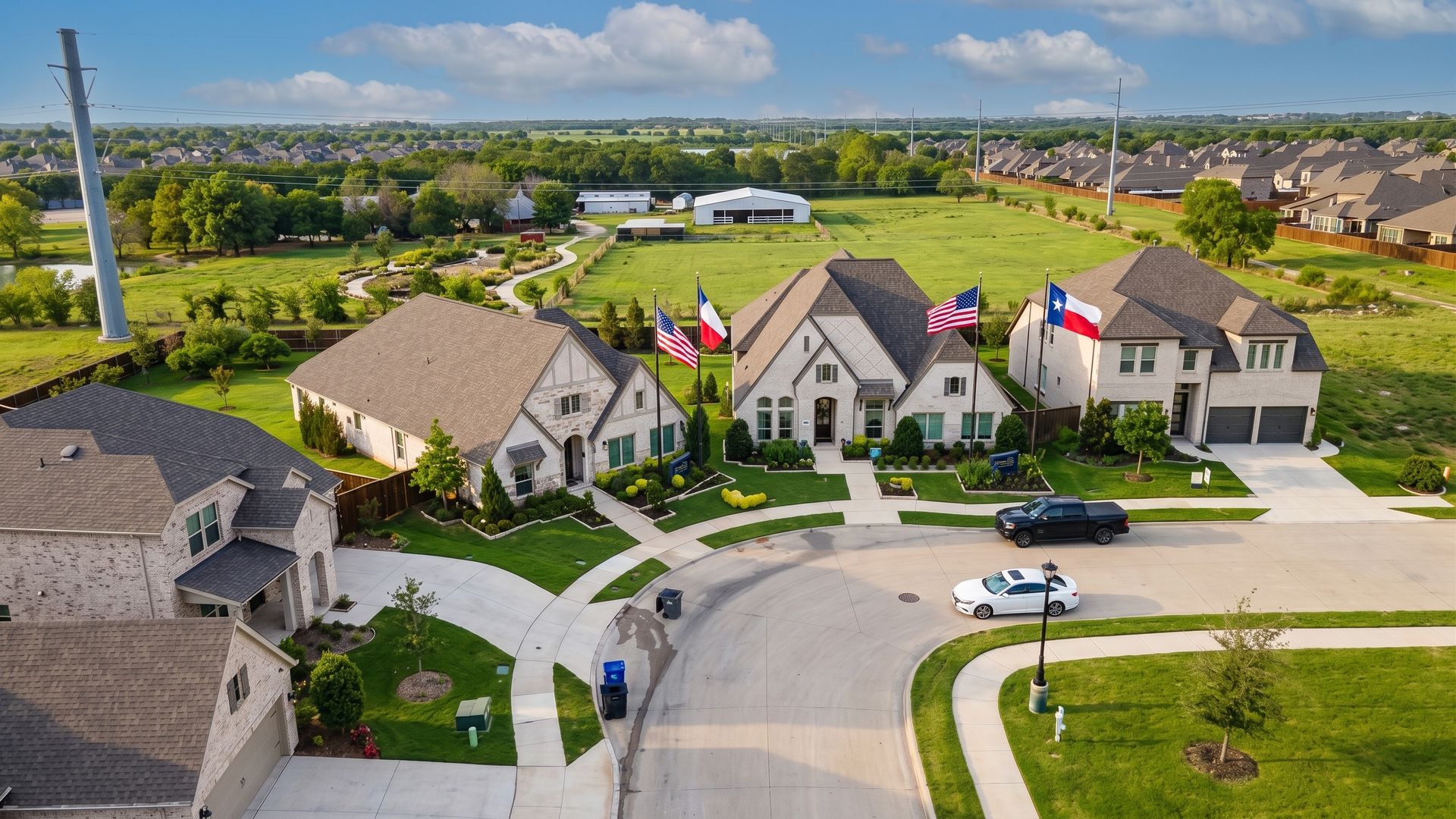
As Frisco, Plano, and McKinney matured into largely built-out, increasingly expensive cities, homebuilders and buyers alike kept pushing further north in search of available land. Celina had exactly what that demand needed: large tracts of undeveloped acreage, proximity to the Dallas North Tollway corridor, and a city government actively courting the growth rather than resisting it.
A few forces are driving the surge specifically:
- Land availability. While neighboring cities ran out of buildable land, Celina still had and still has enormous stretches available for master-planned development.
- Highway access improving in real time. The Dallas North Tollway extension is actively being built north through Celina, with Phase 4A extending tollway main lanes from US 380 to FM 428, dramatically cutting future drive times to Frisco, Plano, and Dallas job centers.
- Corporate and population migration to North Texas. Years of companies and residents relocating to the broader Dallas-Fort Worth metro have created sustained housing demand, and Celina has become one of the primary release valves for that demand.
- A young, high-earning population choosing to move here. Census data shows Celina's median household income running well above both state and national averages, with an unusually large share of remote and hybrid workers — a demographic that doesn't need to live close to a downtown office and is drawn instead to space, new construction, and amenities.
The Biggest Pros of Celina's Rapid Growth
Growth this fast comes with genuine upside, and it's worth naming clearly:
Enormous selection of new construction. Builders are releasing new phases across Celina's master-planned communities on a near-constant basis, giving buyers access to the latest floor plans, energy-efficient construction, and builder warranties rather than competing over aging resale inventory.
More competitive pricing than fully built-out neighbors. New construction in Celina generally runs $50,000 to $100,000 below comparable homes in Frisco or Prosper — a gap that exists precisely because Celina still has room to build at scale.
Real infrastructure investment, not just promises. The city recently approved an $853 million five-year Capital Improvement Program, with $189 million allocated for 2026 alone — split across water and wastewater utilities, roadways, parks, public safety, and drainage. That's not a hypothetical master plan; it's active, funded construction.
Rising home equity for early buyers. Buyers who purchased in Celina's earlier growth phases have generally seen strong appreciation, and while the market has cooled over the past year, the long-term trajectory of a city this early in its build-out still points toward continued investment and development.
A widening base of amenities and services. Every new phase of growth tends to bring more retail, more restaurants, more parks, and more community infrastructure — problems that existed three years ago (limited dining options, fewer services) are visibly improving as the city matures.
The Downsides of Celina Growing So Quickly
The same forces that make Celina exciting also create real, everyday friction for residents.
Construction is a constant, not a phase. With Celina's build-out still well under half complete by most local estimates, active work zones, lane closures, and new-phase development are a long-term feature of living here, not a temporary inconvenience to wait out.
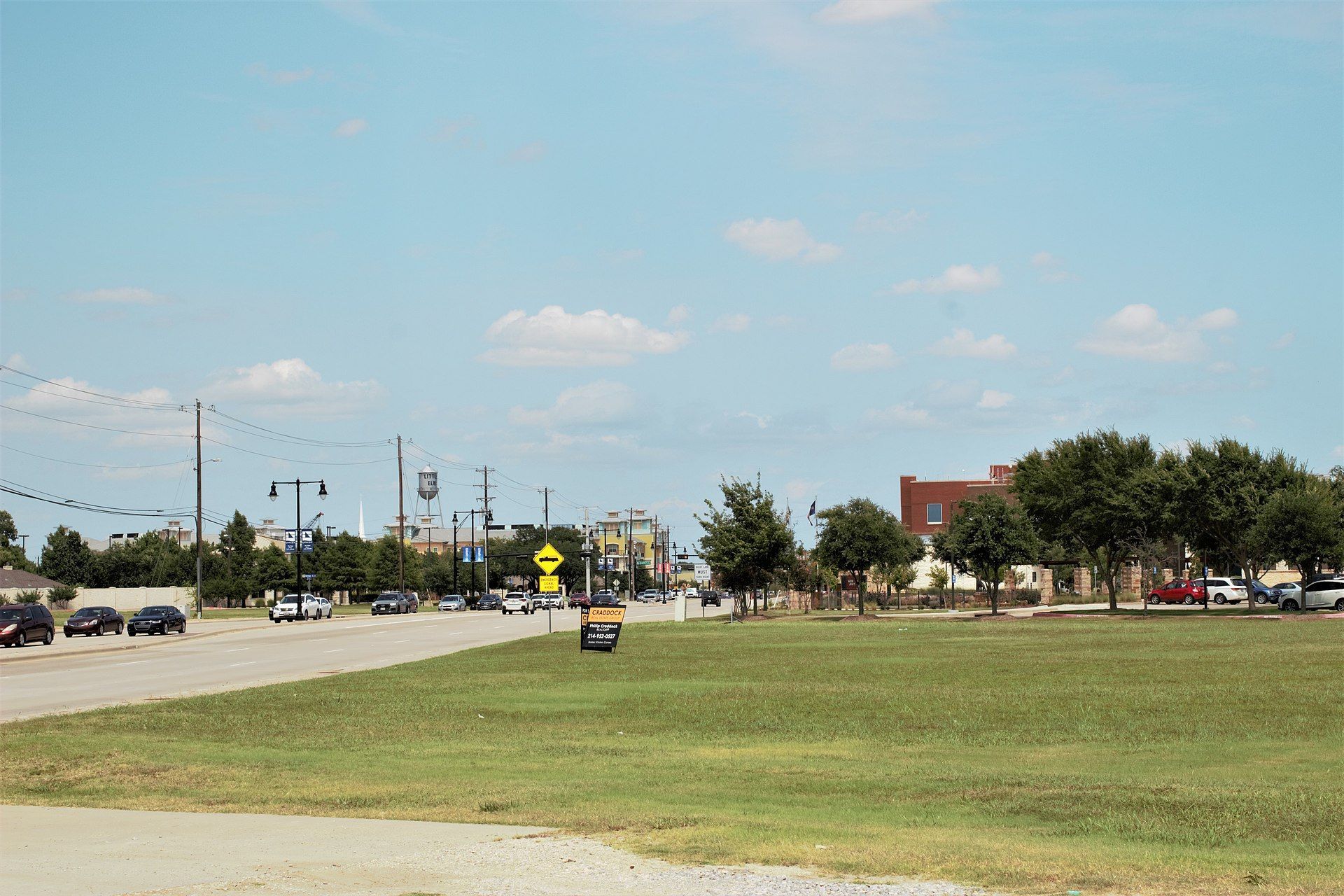
Traffic is increasing faster than some roads can absorb it. Even with major projects underway like Coit Road widening, County Road 52 (Celina Parkway) reconstruction, FM 1461 and FM 428 improvements growth is outpacing completed infrastructure in the near term, which shows up as real congestion during school drop-off and evening commute hours.
Property taxes climb alongside the growth. New schools, new roads, and new utility infrastructure all require funding, and much of that shows up in local tax rates and bond packages over time. Combined with Municipal Utility District (MUD) assessments common in newer communities often adding $0.25 to $0.50 per $100 of assessed value. The real tax bill on a new Celina home can run meaningfully higher than the advertised city rate suggests.
Schools are stretched thin by enrollment growth. Celina ISD is actively building new campuses including a second middle school, a roughly $99 million project with more than 207,000 square feet just to keep pace with student growth, and boundary lines continue to shift as a result.
Retail and dining still lag behind rooftops. Despite steady improvement, plenty of everyday errands still mean a drive to Frisco or McKinney rather than a trip across town.
How Celina's Growth Is Changing the Housing Market
Celina's housing market looks fundamentally different today than it did even two years ago, and growth is the reason why.
After years of intense competition and rapidly rising prices, increased builder supply has started to shift leverage back toward buyers. Median home prices across various 2026 data sources have pulled back from recent highs reported figures range roughly from $496,000 to $567,000 depending on the source and month while homes are sitting on the market longer than they were a year ago. New home sales, meanwhile, have surged, with year-over-year increases in the range of 40-60% in some recent reporting periods, driven almost entirely by the sheer volume of new construction hitting the market.
This creates an unusual dynamic: builder inventory, not resale competition, is now the primary force setting prices and negotiating terms in Celina. That's a meaningful shift from the earlier boom years, when nearly every listing saw multiple offers within days.
What Homebuyers Should Know About New Construction in Celina
Because so much of Celina's inventory is new construction, buyers need to approach the process differently than they would in an established resale market.
- Builder incentives vary widely and change often. Rate buy-downs, closing cost credits, and design center upgrades are common, but they're not always a genuine discount — compare total monthly payment, not just the sticker price.
- Ask specifically about the phase you're buying into. Early phases of a community may mean years of nearby construction traffic; later phases mean a more finished neighborhood but often a higher price per square foot.
- Confirm the exact tax jurisdiction for the address, not just the community name. MUD and PID rates can differ meaningfully between sections of the same development.
- New construction timelines can slip. With this much simultaneous building activity across the city, labor and material availability can affect completion dates more than buyers expect.
Will Celina Still Feel Like a Small Town?
This is the question serious buyers ask most often, and it deserves an honest answer: parts of it, yes, but not all of it, and not forever.
Historic Downtown Celina has held onto real small-town character, with local shops, restaurants, and a walkable core that residents consistently point to as one of the city's best features genuinely distinct from the more generic town centers found in some newer suburbs. Community events and a still-relatively-close-knit feel persist in many of the established neighborhoods.
But the numbers tell a different story about the city as a whole. A town that has grown from roughly 6,000 to well over 34,000 residents in a decade, with annual growth rates still in the double digits, is not going to remain a small town at the citywide level. The more accurate way to think about it: Celina's individual master-planned communities can retain a tight-knit, neighborhood-level feel the kind driven by shared pools, trails, and community events even as the city around them becomes a much larger, more diverse metro suburb.
What Infrastructure Is Being Built to Keep Up With Growth?
The city isn't standing still, and the scale of current investment is genuinely significant:
- $853 million five-year Capital Improvement Program, with $189 million approved for 2026 alone, covering water and wastewater utilities ($86.8 million), roadways ($68.1 million), parks ($18.2 million), public safety, and drainage.
- Major roadway projects underway, including the Coit Road widening, County Road 52 (Celina Parkway) reconstruction, and improvements to FM 1461 and FM 428 to support current and future traffic demand.
- Dallas North Tollway Phase 4A, extending tollway main lanes from US 380 to FM 428 in coordination with the North Texas Tollway Authority a project that will materially shorten commute times once complete.
- New school construction, including a second Celina ISD middle school (a roughly $99 million, 207,000-square-foot project) built specifically to absorb enrollment growth.
- Expanding emergency services, with a third fire station recently completed and a fourth already planned to maintain response times as the population grows.
Is Celina's Growth Good or Bad for Homebuyers?
Realistically, it's both and which side you land on depends heavily on your priorities.
Growth is good for buyers who want new construction, family-friendly amenities, relative affordability compared to Frisco or Prosper, and the chance to get in early on a city that's clearly still climbing. It's more difficult for buyers who want a settled, fully built-out community with mature retail, predictable school boundaries, and light traffic from day one.
The honest takeaway: Celina's growth is a genuine asset for the right buyer, and a genuine source of frustration for the wrong one. The difference usually comes down to expectations set correctly before closing, not after.
Should You Buy a Home in Celina While It's Still Growing?
For many buyers, yes with eyes open. Buying into a city mid-boom means accepting years of construction, evolving school zones, and a tax structure that requires real diligence to understand, in exchange for new construction pricing, strong long-term infrastructure investment, and the chance to be part of a community before it's fully built out.
Before you buy, it's worth confirming: the exact tax rate and MUD status for the specific address, the true school zoning (Celina ISD versus Prosper ISD in some southern neighborhoods), the actual commute time at real rush-hour conditions, and what's planned on the land immediately surrounding the home over the next several years — not just inside your own community, but around it.
Celina's growth is real, well-funded, and likely to continue for years but navigating a boomtown market takes more than a Saturday model home tour. If you're weighing a move to Celina, TX and want a straight, local read on tax districts, builder incentives, school zoning, and which communities are worth the wait, reach out to Zak Schmidt at 469-707-9077.

Zak Schmidt
From in-depth property tours and builder reviews to practical how-to guides and community insights, I make navigating the real estate process easy and enjoyable.