The Real Cost of Living in DFW, Texas: What Nobody Tells You
You already know it's hot. You know there's no state income tax. You've heard traffic is bad and that "y'all" works for everything. But nobody tells you what your water bill looks like in August when you're trying to keep grass alive on clay soil, or how much you'll spend in tolls if you work north and live south, or that a hailstorm will eventually find your roof, not if, but when. I want to give you the real version of living in DFW: the bills you'll pay, the trade-offs you'll make, and the reasons this metroplex is still worth it if you're coming for the right things.
This isn't the tourism-board pitch. This is what it actually costs to live here, from property taxes and deregulated electricity to foundation maintenance and insurance premiums. I'll also tell you about the job market that keeps bringing people here, the sports culture that runs deeper than you think, and the southern hospitality that shows up when your neighbors bring food over the day you move in. And I'll be honest about who probably shouldn't move here at all, because DFW works best when you know what you're signing up for.
Table of Contents
- Property Taxes: The Trade-Off for No State Income Tax
- Tolls, Soil, and Water: The Monthly Bills You Don't Expect
- Hailstorms, Insurance, and Roofing Reality
- HOAs and Deregulated Electricity
- Jobs, Airports, and Sports Culture
- Southern Hospitality and Finding Your Community
- The DFW You Buy Today Won't Be the DFW of Tomorrow
- Who DFW Probably Isn't For
Property Taxes: The Trade-Off for No State Income Tax
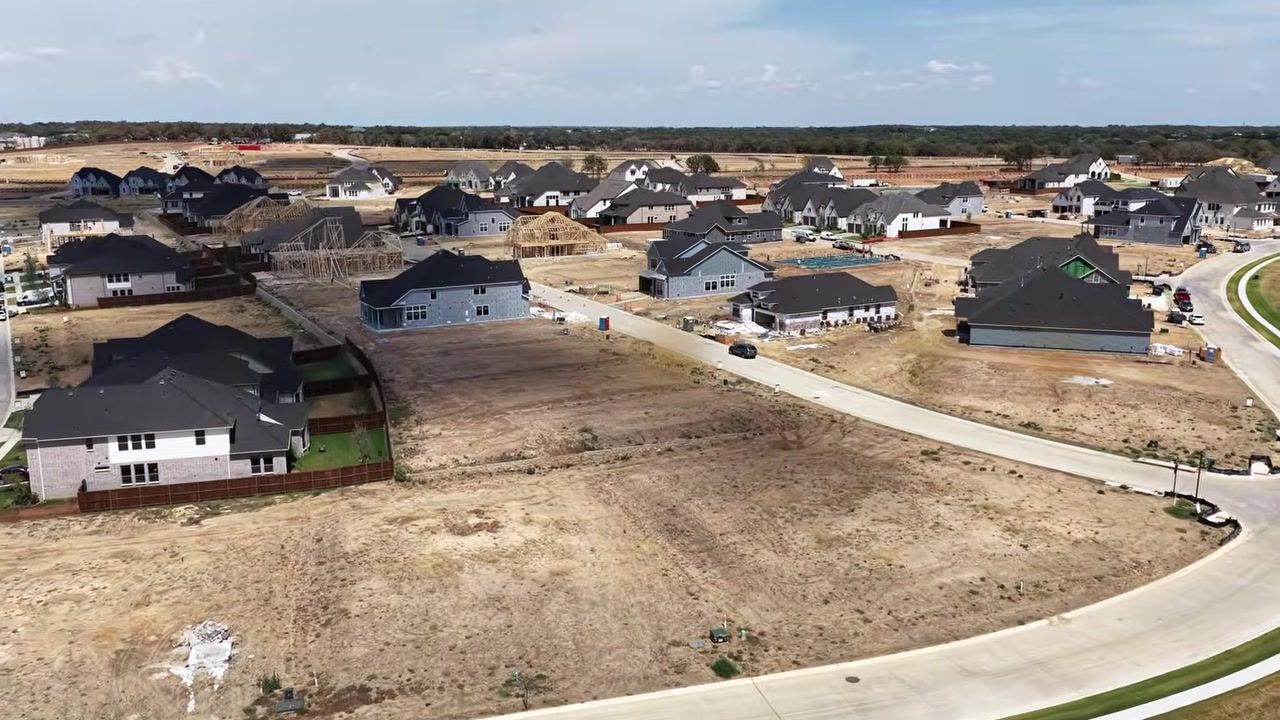
No state income tax sounds great until you open your property tax bill. The government always gets their cut, and in Texas that cut comes from your property. I own three properties here, one primary, two rentals, and I paid $21,763.92 in property taxes in 2025. That number will go up in 2026. If you're moving from California or somewhere on the East Coast where state income tax already hammers you, you'll probably come out ahead. If you're coming from a Midwestern state with middle income and lower property taxes, you might actually find yourself behind.
Your tax rate in DFW runs somewhere between 1.5% and 3% depending on the county, the school district, and whether your neighborhood has a MUD or PID tax. Most newer neighborhoods do. MUD and PID taxes pay for infrastructure that didn't exist before the developer came in, roads, water, sewer, drainage, and for the ongoing maintenance of those services. That gets added to your total rate. Here's the important part: your rate is locked in, but your assessment is not. Texas reassesses annually, which means your tax bill will fluctuate as your home value changes. As the market goes up, expect your property taxes to go up with it. The homestead exemption helps a little, but it doesn't stop the climb.
Property taxes hurt, but they're predictable if you budget for them. Ask your lender or your agent what the total effective rate is in the neighborhood you're considering, then multiply that by your purchase price. That's your annual bill, and it will probably increase every year you own the home.
Tolls, Soil, and Water: The Monthly Bills You Don't Expect
Tolls are everywhere in North Texas. The George Bush Turnpike, Sam Rayburn, the DNT, depending on where you live and where you work, you could be paying tolls every single day. I spent $289 on tolls last month, and my number is high because of how much I drive for work. But even if you're just commuting from Prosper to Dallas or Forney to Plano, those tolls add up fast. The newer express lanes on 635 charge based on traffic, so you might pay $8 one day and $18 the next depending on whether there's an accident. Get a toll tag as soon as your vehicle is registered. If you don't have one, you pay more per mile, and if you rack up unpaid tolls, the state can withhold your vehicle registration.
Tolls are heavier up north, Frisco, Celina, Prosper, Little Elm, and lighter in the southern suburbs like Midlothian and Mansfield. Map your commute before you buy and add up what it will actually cost you every month, because $200 to $300 in tolls changes your budget.
Now let's talk about soil. Most of North Texas sits on clay, and clay is garbage for foundations. It swells when it gets wet and shrinks when it dries, which makes your post-tension slab contract and shift. You'll see hairline cracks in drywall corners. You'll see gaps around door frames. This is normal here, but you have to manage it. Most builders include a soaker hose around the foundation so you can keep moisture in the soil and prevent massive shrinkage. You need to run that hose, especially in summer when we go 60-plus days with no measurable rain like we did this past year.
Keeping your yard green costs money. We had 44 days over 100 degrees last summer, and if you want grass that looks like you could play golf on it, you're going to pay for it. A couple from the Pacific Northwest moved here recently and didn't realize how much water it takes to keep a big green yard alive in August. By the end of summer, the only text I got was a picture of dead grass and a water bill with "You're right" as the caption. Most builders include full sod and a sprinkler system front and back, but you still have to run it. Some cities, Celina, for example, went into water restrictions last summer, which means you could only water one day a week based on your address. If you're closing in July and the builder is trying to get the sod to take root, that's a problem.
Budget for higher water bills in summer. Budget for the time and cost to maintain your yard. And if you're coming from somewhere with natural rain and cool summers, understand that DFW is not that.
Hailstorms, Insurance, and Roofing Reality
At some point, your house will get hit by a hailstorm. I can't tell you if it's tomorrow or two years from now, but it will happen. Hail is so common here that roofing is one of the most lucrative businesses in Texas. My friend who owns a roofing company just put a brand-new Porsche in his driveway, and that tells you everything you need to know. After every storm, you'll get door-knockers asking to inspect your roof. Some are legitimate. Some are not. Either way, plan on replacing your roof at least once while you own the home.
Buying new construction gives you a brand-new roof, which helps. But once you close, that roof is your responsibility. If hail damages it after closing, you file a claim with your insurance and pay your deductible. Speaking of insurance, we have higher premiums here because of hail and wind risk. I just renewed our policy, and the best deductible I could get was 1.5%. Most carriers are pushing 2% deductibles now to cover wind and hail. Newer homes cost less to insure because the systems are new and the replacement cost is lower, but you're still looking at somewhere between $1,900 and $2,600 a year depending on the size of your house. That's better than the $4,000 and $5,000 quotes I've seen people get on older homes, but it's still a real monthly cost.
Hailstorms are part of life here. Budget for insurance. Budget for a roof replacement. And make sure you understand your deductible before you close.
HOAs and Deregulated Electricity
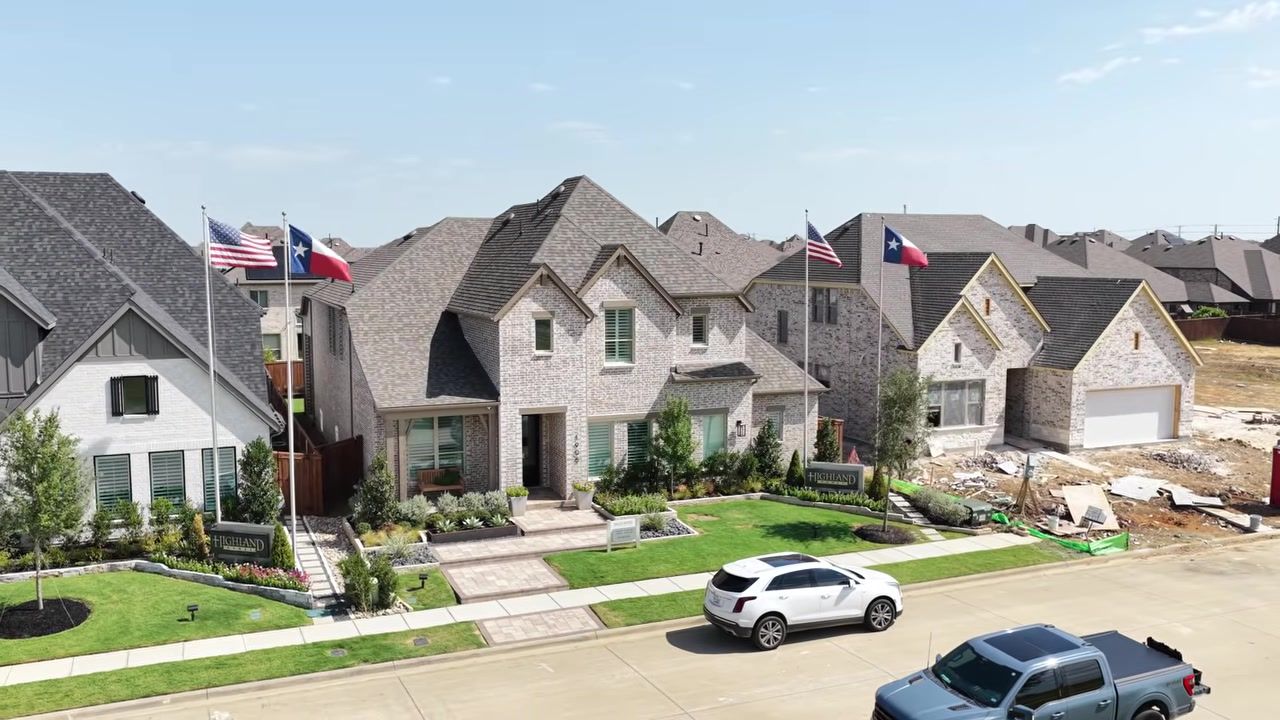
If you're buying new construction in DFW, your neighborhood probably has an HOA. The HOA makes sure your grass is mowed, your trash cans are put away, and nobody paints their house hot pink. Some people hate HOAs. If that's you, you're probably not buying a new home, because most new neighborhoods have them. On average, you're looking at $500 to $2,000 a year depending on the community. Master-planned communities with pools, trails, and amenities cost more, but you're paying for something real and tangible. The HOA also protects your property value by making sure your neighbors maintain their homes.
Ask what the HOA costs. Ask if they cover front-yard maintenance, because some do. Ask what it costs to transfer the HOA from the builder to you at closing, because that's sometimes a separate fee. Just make sure you know what you're paying for.
Now let's talk about electricity. Texas has a deregulated energy market, which means you get to pick your provider. If you're coming from a place where you had one option and that was it, this will feel weird at first. There are dozens of plans and dozens of rate structures. Some plans give you a cheap rate at a certain usage level, and then if you go over that in August because it's 105 degrees and you're running two AC units, your bill spikes. Shop your plan carefully.
I keep my house at 70 during the day and 68 at night because I work too hard to be hot. My house is about 3,500 square feet with two AC units. In August, I paid $568.33 for electricity. That was my highest bill, and it was a brutal summer. Your bill will probably be lower, especially in a newer, more efficient home. But don't assume it's going to be $150 a month in July and August, because it won't be. Shop plans on Power to Choose, compare rates, and understand how your usage affects your cost.
Jobs, Airports, and Sports Culture
The job market is one of the biggest reasons people move here. DFW has a strong, diverse economy across healthcare, finance, tech, logistics, and defense. AT&T is headquartered here. Toyota is headquartered here. The PGA moved here. Lockheed Martin has a massive presence. The Texas Stock Exchange is coming to Dallas. More companies are choosing Texas and bringing their workforce with them, which is probably why you're reading this blog in the first place. If you're not relocating for a job, you can find one here. And if you want to start a small business, Texas is incredibly friendly to that.
We also have two major airports. Dallas Love Field is primarily Southwest, with a little Alaska and Virgin. DFW is American's primary hub, and you can get pretty much anywhere in the country or internationally from there. We're centrally located, so you can fly to Orlando in two and a half hours or Vegas in just over two. If you've got family visiting or kids going to college, DFW is a great hub.
Sports culture is a big deal here, and I don't just mean the Cowboys. Yes, you have to join the misery of being a Cowboys fan, it's part of the initiation. But we also have the Stars, the Rangers, FC Dallas, and the Mavericks. High school sports are huge. Friday Night Football is a real thing, and if you've never experienced it, you need to. I had a client move here from Virginia specifically so his kids could experience Texas high school football. Sports aren't just entertainment here. They're where people find community and connection. If you're not into sports, that's fine, but understand that it's woven into the culture.
Southern Hospitality and Finding Your Community
Southern hospitality is real. Your neighbors will probably say hi when your kids are playing in the street. They might bring food over when you move in. If you're not used to strangers being kind and friendly, it will feel a little weird at first, but it's a good thing. People here care about their neighbors, and that shows up in how they treat you.
Buying into a new construction community gives you the chance to help set the tone and culture of that neighborhood. You're not the outsider moving into a place where everyone's been there for 50 years. You're part of building something new, and that's a genuine advantage. You get to decide how your street feels, how your neighbors interact, and what kind of community you want to be part of.
That said, not every part of DFW feels the same. Frisco doesn't feel like Forney. Prosper doesn't feel like Rockwall. Celina is not Midlothian. Some cities have exploded in growth over the last five years, and the demographics have shifted. Some places feel totally different than they did three years ago. You need to experience it yourself. Go stand in the Costco or H-E-B in the city you're thinking about buying in. Go to a church service on Sunday morning if that's your thing. See the people who live there. See if it feels like a fit. I can get you the best deal possible, but if it's not a lifestyle and culture fit for you and your family, it doesn't matter.
The DFW You Buy Today Won't Be the DFW of Tomorrow
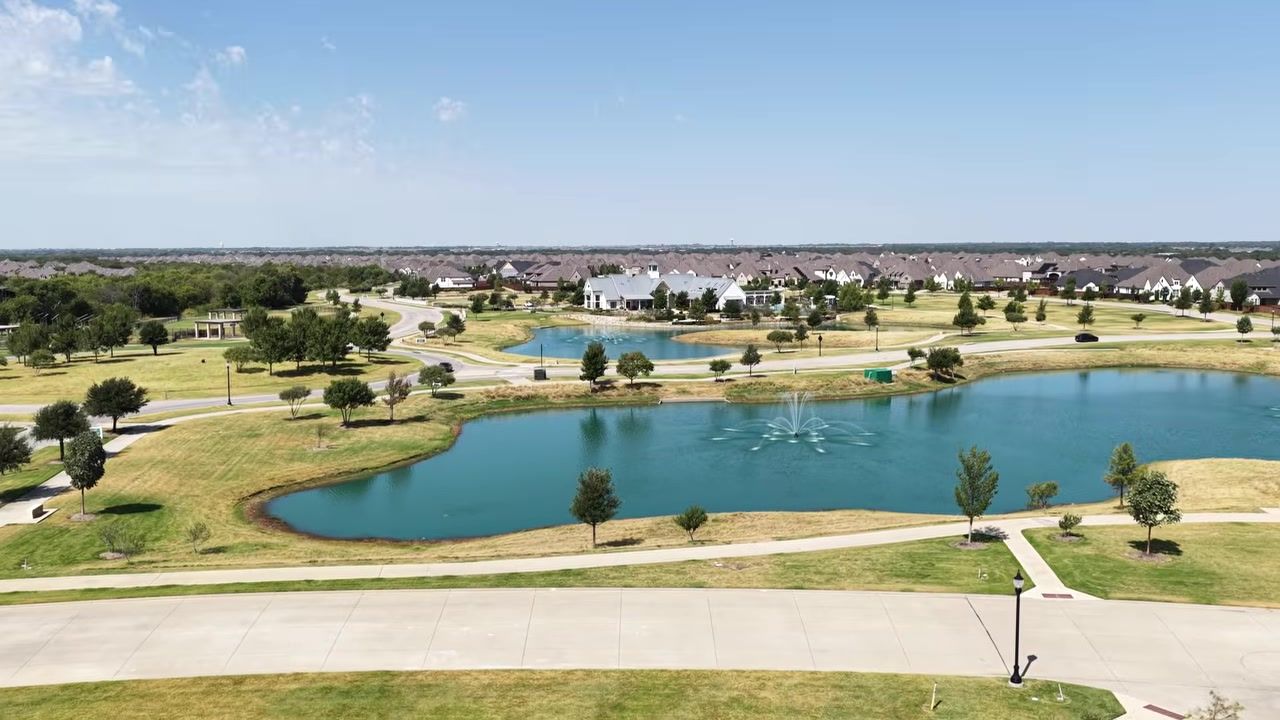
DFW is growing fast, and the area you buy into today won't look the same in a few years. My wife and I moved back to Texas in 2019 and bought in Fate, which is just east of Rockwall. At the time, there was nothing there. No grocery store. No gas station. One stoplight. Fate now has multiple grocery stores, the highway has expanded, restaurants are open, and Royse City is building a high school nearby. So much has changed in such a short time.
The growth ring keeps moving further out. People who moved to the suburbs to get away from the city are now watching the city come to them. We're growing north, south, and east. Roads are under construction everywhere, the orange traffic cone is the unofficial mascot of North Texas. Neighborhoods that feel quiet today might not stay quiet. Demographics shift. School districts pass bonds and open new campuses. You need to research what's coming, not just what's here now.
Use niche.com to research school districts. Get into neighborhood Facebook groups to see what people are actually talking about. Ask questions about rezoning, new schools, and infrastructure plans. You're buying for today, but you're also buying for the future growth of what's coming in 10 years.
Who DFW Probably Isn't For
If you want walkability and public transit, this isn't it. We are a drive-a-car metroplex. DART exists, but it doesn't go very far, and I wouldn't recommend it. You're going to need a car. If you have two people who work or commute, you're probably going to need two cars.
If you need to see the mountains, the ocean, or four actual real seasons every day, this isn't for you. You can get to Galveston in four and a half hours. You can get to the Hill Country in five. But if you need those things in your daily life, DFW won't fit. We don't get four real seasons. Some mornings start in the 40s and end close to 100 by afternoon. August is brutal. You will underestimate how hot it really gets.
If you want true city living with walkable neighborhoods and a big nightlife scene, you'll have to live downtown in a condo or high-rise, and you'll pay a lot for it. New construction is in the suburbs and exurbs, and even then it's 45 to 50 minutes from downtown on a good day. If you're looking for bars and clubs, that's downtown, and you'll be commuting for it.
Suburban living is what you'll find here. If that's not what you want, DFW probably isn't the right fit.
I love Texas. I left for three years and came back on purpose, and I don't plan on leaving again. If you're thinking about moving to DFW and you want to talk through what makes sense for you and your family, I'd love to help. Call or text me at 469-707-9077 or book a FREE consultation here. Let's find the right home for you, this side of heaven, that fits your budget, your lifestyle, and your future.
FAQ
What are property taxes like in DFW?
Property taxes in DFW typically range from 1.5% to 3% of your home's assessed value, depending on the county, school district, and whether your neighborhood has a MUD or PID tax. Texas reassesses annually, so your tax bill will fluctuate as your home value changes. Budget for increases every year.
How much do tolls cost in DFW?
Toll costs depend on your commute. I spend around $289 a month because of how much I drive for work, but even a daily commute from the northern suburbs to Dallas can add $200 to $300 a month. Get a toll tag as soon as you register your vehicle to avoid higher rates and penalties.
Do I really need to worry about hailstorms?
Yes. At some point, your house will get hit by hail. It's not a question of if, but when. Budget for higher insurance premiums (typically $1,900 to $2,600 a year for a new home) and expect to replace your roof at least once while you own the home. Newer homes come with new roofs, which helps, but once you close, that roof is your responsibility.
How does deregulated electricity work in Texas?
Texas has a deregulated energy market, which means you choose your electricity provider and plan. There are dozens of options with different rate structures. Some plans offer low rates at certain usage levels but spike if you go over. Shop carefully on Power to Choose and understand how your usage in summer will affect your bill.
What's the job market like in DFW?
DFW has a strong, diverse economy across healthcare, finance, tech, logistics, and defense. Major companies like AT&T, Toyota, and Lockheed Martin are headquartered here, and more companies are relocating to Texas every year. If you're not moving for a job, you can find one here. Texas is also very friendly to small businesses.
How do I know which DFW suburb is right for me?
Visit the cities you're considering and spend time there. Go to the Costco or H-E-B. Attend a church service if that's your thing. Walk the neighborhoods. See the people who live there and ask yourself if it feels like a fit. Frisco doesn't feel like Forney. Prosper doesn't feel like Rockwall. You need to experience it yourself to know if the culture and lifestyle match what you're looking for.

Zak Schmidt
From in-depth property tours and builder reviews to practical how-to guides and community insights, I make navigating the real estate process easy and enjoyable.