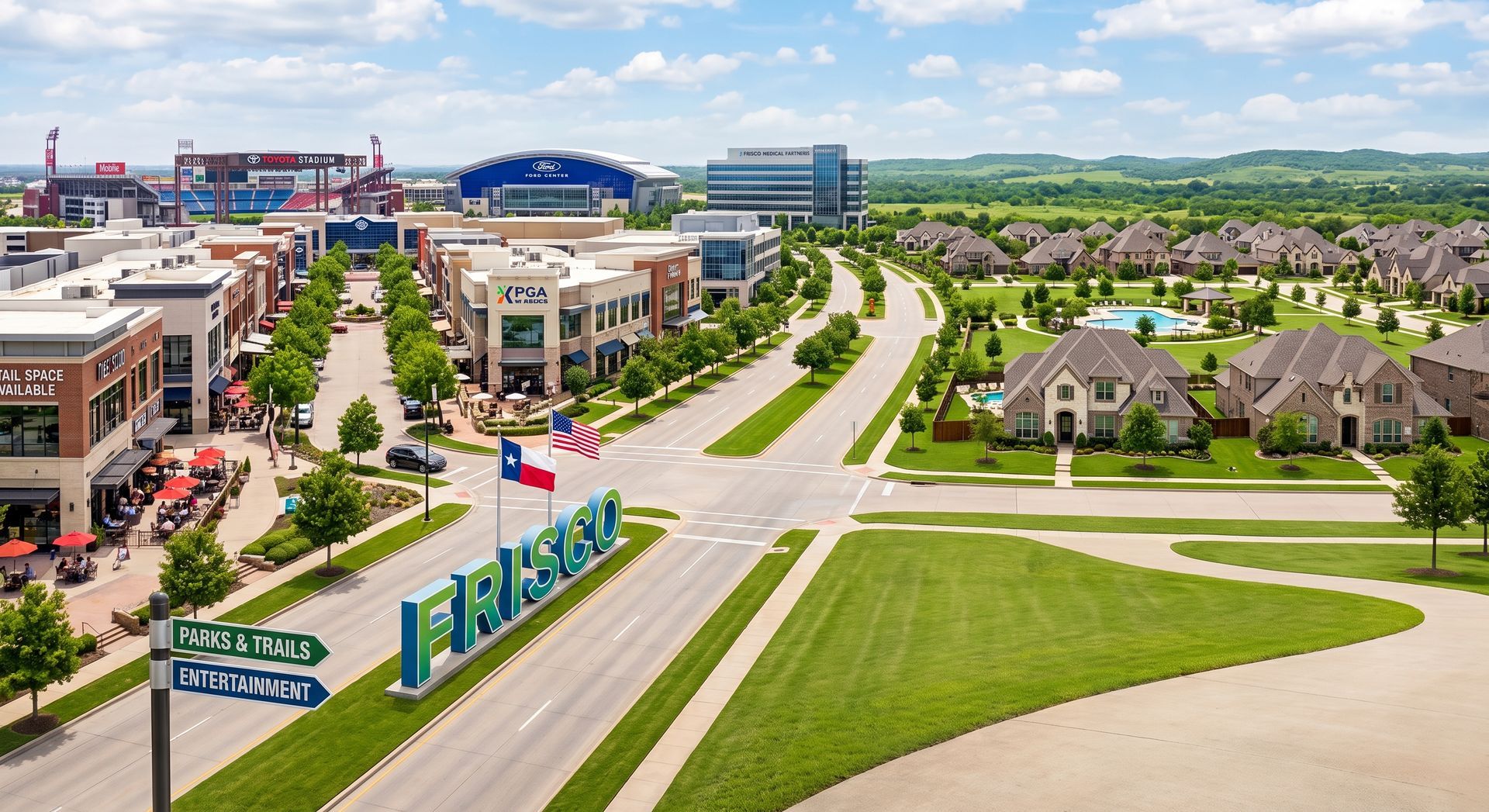
Things to Know Before Buying DFW New Construction Homes
DFW new construction can be an incredible way to get a fresh home, modern finishes, builder incentives, and a community with amenities already planned out. We are huge fans of helping families buy new construction, but we also believe in being honest about the stuff that can catch people off guard.
A brand-new house is exciting. It is also a major financial decision with more moving parts than most people expect. From taxes and HOA dues to lot size and lender incentives, the details matter. The goal is not to scare anyone away from DFW new construction. The goal is to help us make sure it is actually the right fit before signing a contract.
Table of Contents
- Introduction
- What's Included in DFW New Construction Homes?
- Why Your DFW Model Home Will Look Different
- DFW HOA Fees Explained
- DFW MUD & PID Taxes
- DFW New Construction Affordability
- DFW New Construction vs. Resale Homes
- DFW Builder Incentives
- Do You Need a DFW Realtor?
- DFW New Construction Lot Sizes
- Buying DFW New Construction With a Realtor
- Final Thoughts
- FAQs About DFW New Construction
Introduction
We work with families across the Dallas Fort Worth area who are buying, selling, building, and relocating. A huge part of what we do is help people sort through DFW new construction communities, builders, floor plans, lots, incentives, and the tradeoffs that come with all of it.
There is no universal best builder or best community. What works for one family might be a terrible fit for another. The right move is the one that matches the budget, commute, space needs, lifestyle, and long-term goals.
VIEW MORE NEW CONSTRUCTION DEALS IN DFW
What's Included in DFW New Construction Homes?
The first question needs to be simple: What is included? Every builder has its own standard features, upgrades, packages, and rules. Never assume that what we see in one DFW new construction community will be standard in another.
Landscaping is a great example. Are there bushes, flowers, one tree, or two trees? Is there irrigation in the front yard, backyard, or both? In Texas, we also want to ask whether there is a foundation drip line to help maintain moisture around the foundation during those brutally hot summer months.
We also need clarity around the design package. Is the home fully customizable? Can we select finishes individually? Are we purchasing an inventory home where choices have already been made? What is standard, what is an upgrade, and what is not available at all?
- Ask for the included-features list in writing.
- Identify the upgrades that matter most before getting emotionally attached.
- Confirm landscaping, irrigation, appliances, lighting, blinds, gutters, and other practical items.
- Understand whether the price reflects a base plan or the actual home being considered.
Why Your DFW Model Home Will Look Different
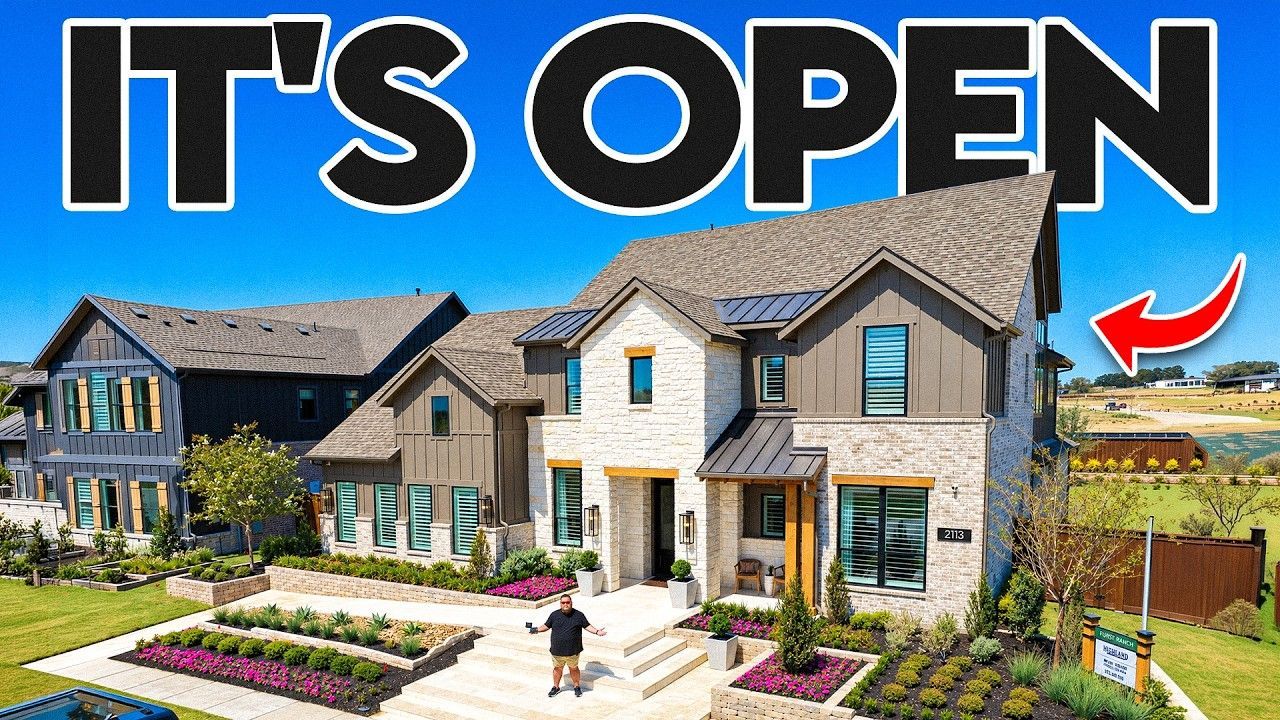
Model homes are designed to make us say, “Wow.” Builders put their best foot forward with accent walls, upgraded lighting, premium finishes, furniture, décor, and every little detail that makes a space feel polished.
That does not mean the home we buy will look exactly like that model. It may be similar, but there can be a huge difference between a professionally designed model and a finished home with standard selections.
Also, empty rooms can feel strange. A finished DFW new construction home may feel smaller before furniture is moved in. That is normal. Try to visualize how the rooms will function with actual furniture, not just how they feel empty or how the model looks with expensive staging.
DFW HOA Fees Explained
Most new construction communities have an HOA. That HOA often supports amenity centers, pools, fitness areas, walking trails, dog parks, tennis courts, landscaping, and other neighborhood features.
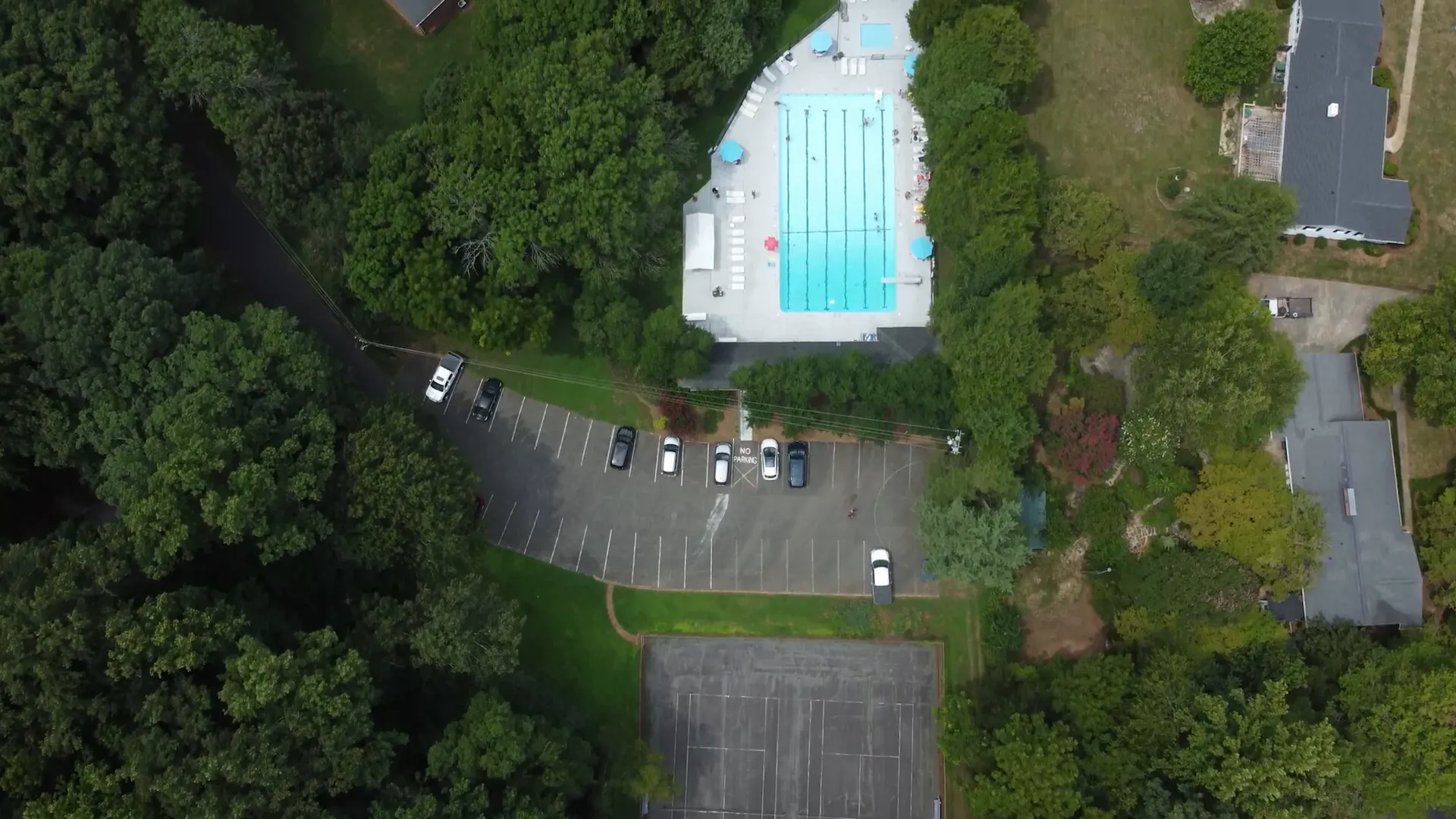
Those amenities are nice, but we need to know the cost and the restrictions before committing. Ask what the annual dues are, what they cover, and what rules affect fences, parking, exterior changes, rentals, and other everyday decisions.
HOA dues vary by community. In one example, annual dues were roughly $700 to $800, but the number is not the point. The point is knowing what we are signing up for. If HOA living is a deal breaker, most DFW new construction communities are probably not going to be the right place to start.
DFW MUD & PID Taxes
Taxes deserve a much closer look in DFW new construction, especially when a community has a MUD or PID.
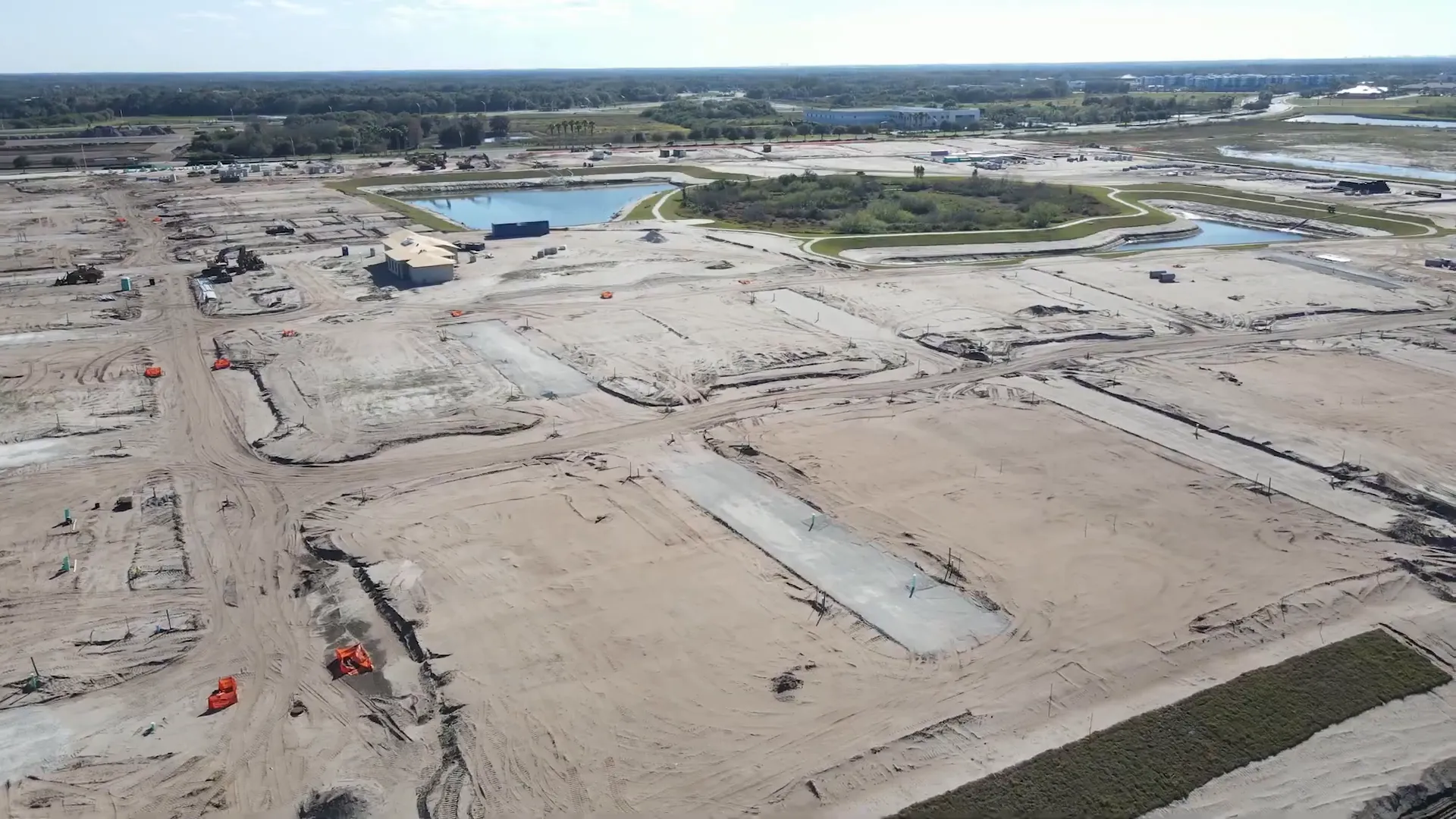
A Municipal Utility District, or MUD, and a Public Improvement District, or PID, are ways infrastructure costs can be passed along to residents. When a developer turns open land into a neighborhood, somebody has to pay for roads, streetlights, fire hydrants, curbs, sidewalks, and related improvements.
Not every community has a MUD or PID, but we need to ask. Specifically, ask what applies to the property and how it affects the total tax rate.
Another big surprise comes in the first year. New homes may initially be taxed on the unimproved land value. That can make the first tax bill look very low. Once the home is assessed as land plus structure, the following year can look dramatically different. Build that future number into the budget from day one.
DFW New Construction Affordability
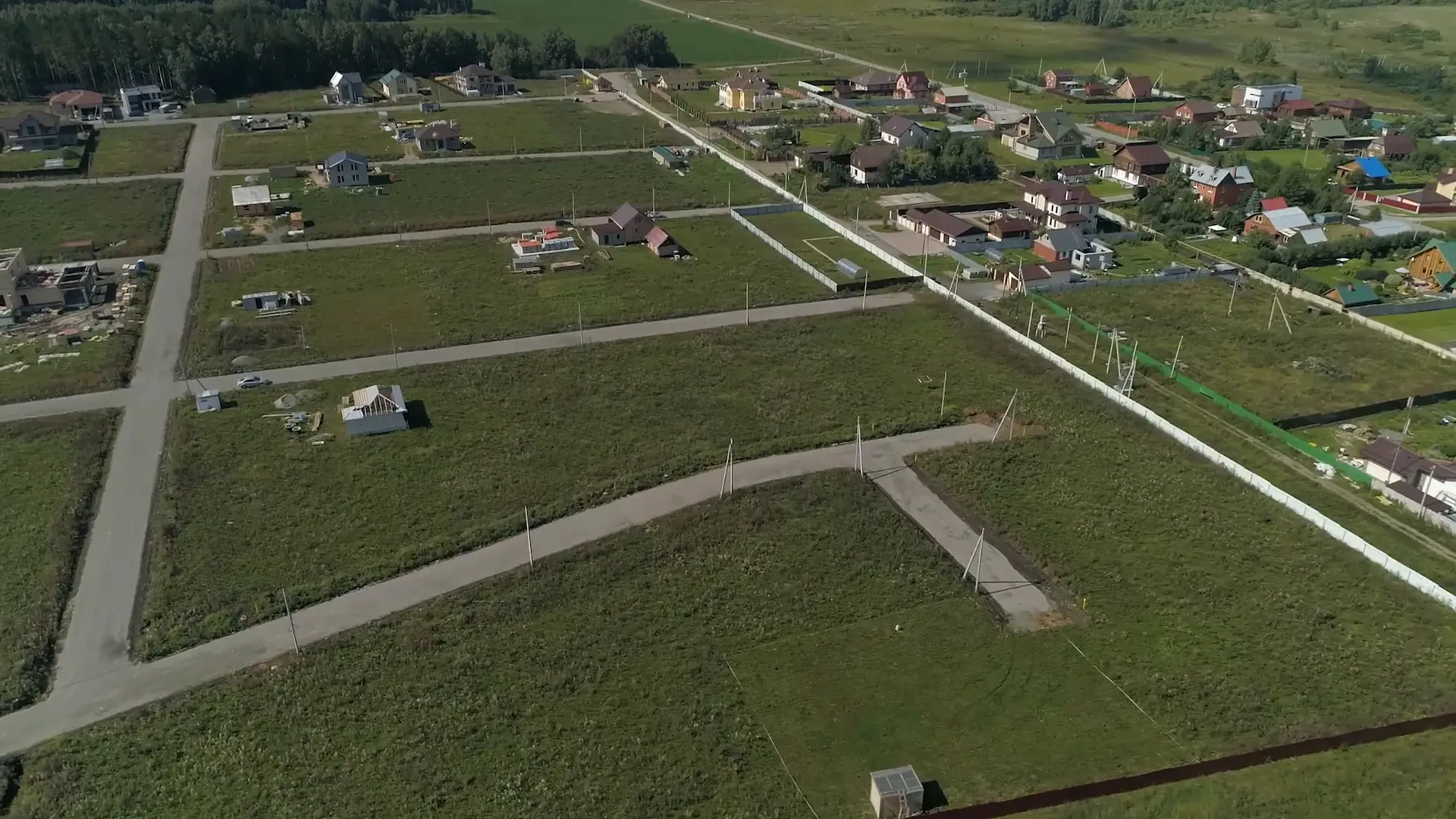
There is affordable DFW new construction out there, but not all locations are equal. Similar floor plans from the same large builder can have dramatically different starting prices based almost entirely on where the community sits.
For example, a similar home in Royse City might fall in the $350,000 to $400,000 range, while a comparable home in Prosper can be closer to $600,000. Same general idea of a home, very different location and price tag.
That is the reality of location, location, location. DFW keeps growing north, south, east, and west, but growth is not happening at the same speed everywhere. If affordability is the priority and work is near Downtown or Uptown Dallas, we may need to accept a commute of roughly 45 minutes to an hour.
DFW new construction is often about choosing a tradeoff: closer in with a higher price, or farther out with more affordability and more driving.
DFW New Construction vs. Resale Homes
On paper, DFW new construction is often priced higher than resale. Depending on the market and the comparison, new homes can appear roughly 15% to 20% higher. But the list price is only one piece of the story.
A $450,000 resale home can potentially cost more than a $490,000 new home once incentives, closing costs, and rate options are considered. We need to compare the full financial picture, not just the number displayed on a listing.
That said, resale can absolutely offer more house for the money. Established neighborhoods may provide mature trees, larger lots, pools, outdoor living areas, and more space between houses. A resale home is not a bad deal. It simply comes with a different set of strengths.
There is also a practical difference in negotiations. A resale seller often has emotional attachment, memories, and expectations tied to the home. A builder is generally looking at a spreadsheet, a construction schedule, and inventory. Both situations can work, but they require different strategies.
DFW Builder Incentives
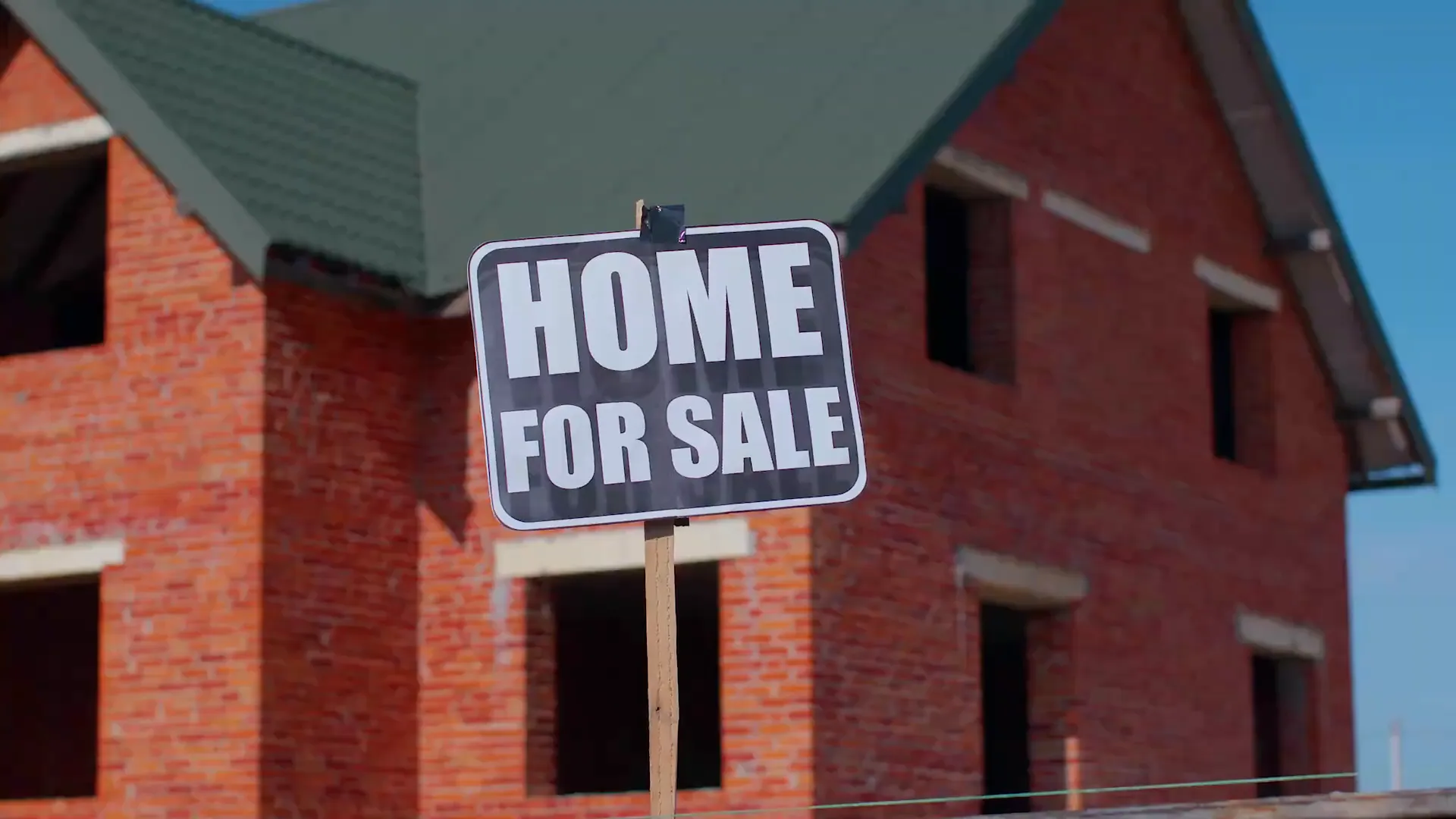
Builder incentives can be real and substantial. We may see $15,000, $20,000, $25,000, or even more in incentives, sometimes along with gift cards, appliance packages, blinds, gutters, washers, dryers, or interest rate buydowns.
How can builders offer that much? They have margins, they build at volume, and they may have close relationships with preferred lenders and title companies. A $20,000 offer might be made up of funds from the builder, title company, and lender together.
For buyers financing a home, our preference is generally to look carefully at using available incentives for interest rate buydowns and closing costs, rather than immediately applying everything as a purchase-price reduction. The right choice depends on the loan and overall financial picture, but lowering monthly borrowing costs can be more valuable than a small reduction in price.
Builders often prefer incentives because they can protect the visible sales price in the neighborhood. That can help the builder maintain pricing and may also help existing homeowners avoid seeing public sale prices drop around them.
Do You Need a DFW Realtor?
Technically, no. We do not have to bring a Realtor into a DFW new construction community. But skipping representation usually does not create a discount for us. Builder compensation for buyer representation is typically built into the builder's marketing budget.

The important distinction is this: builder sales representatives work for the builder. A buyer's Realtor works for the buyer.
Representation can help us ask the questions that are easy to miss:
- Can the fence be moved forward?
- What insulation is included?
- Can additional sinks or other modifications be added?
- What is the builder's quality and track record?
- Which incentives are actually worth using?
There is also continuity. Builder personnel and sales representatives can change during a build. Having someone who understands the process, tracks details, and can help keep everybody aligned is valuable when things move quickly.
DFW New Construction Lot Sizes
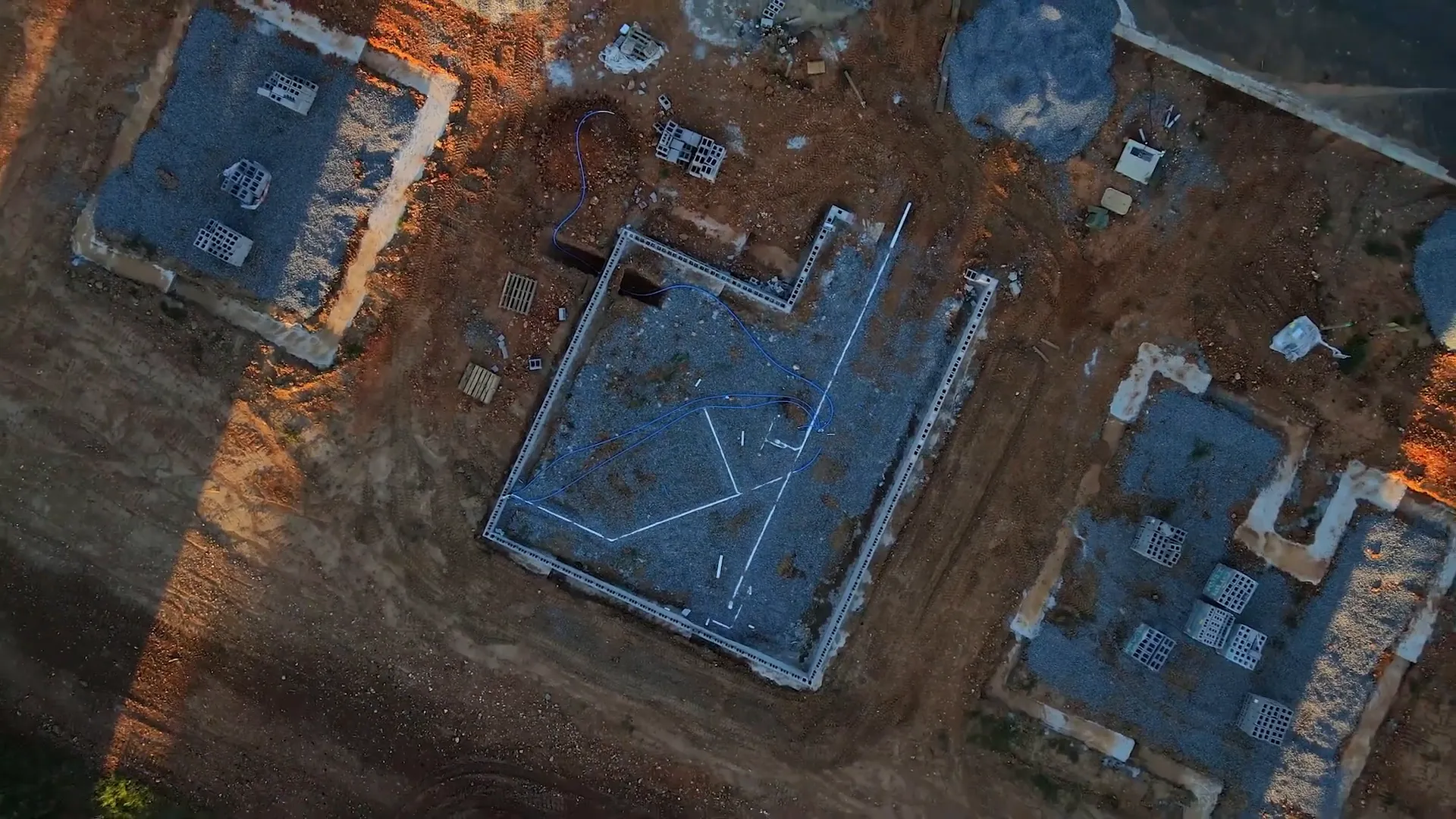
Lot size is one of the biggest surprises in DFW new construction. Many builders are working with 40-foot, 50-foot, and 60-foot lots. That measurement is generally the width across the front of the property, and narrower lots usually mean homes are closer together.
Builders do this because fitting more homes into a community can increase revenue. That does not automatically make a 40-foot or 50-foot lot bad. It just means we need to see it in person and understand what the backyard, side yard, privacy, and spacing will actually feel like.
If space is a top priority, resale may offer larger lots for a similar budget. Larger DFW new construction lots do exist, but they can cost more and may be limited to particular communities or premium homesites.
Buying DFW New Construction With a Realtor
The best way to get the most from DFW new construction is to have a plan and work through the process together. We can compare communities, identify the questions that matter, evaluate builder offers, and look for the strongest overall fit instead of getting distracted by a flashy model home or a big incentive headline.
We want to help make the process enjoyable, clear, and financially smart. The goal is not simply to buy a new house. The goal is to buy the right DFW new construction home for the way we actually want to live.
Final Thoughts
New construction has a lot to offer: new systems, modern layouts, fresh finishes, community amenities, and potentially meaningful incentives. It also comes with HOA rules, tax considerations, smaller lots in many neighborhoods, and decisions that need to be made before the home is even complete.
When we ask better questions up front, DFW new construction becomes much less overwhelming. Know what is included, account for the full monthly cost, compare resale honestly, and make sure the location works just as well as the floor plan.
VIEW MORE NEW CONSTRUCTION DEALS IN DFW
FAQs About DFW New Construction
Are DFW new construction homes more expensive than resale homes?
They are often priced higher on paper, sometimes by roughly 15% to 20%, but the final cost can be different after builder incentives, closing costs, and financing options are considered. Resale homes may offer more space, mature trees, larger lots, and established outdoor features.
What should we ask a builder before buying a new construction home?
Ask what is included, what costs extra, how landscaping and irrigation work, whether there is a foundation drip line, what HOA dues cover, whether a MUD or PID applies, what the tax rate is, and what incentives are available.
What is a MUD or PID in DFW new construction?
A MUD is a Municipal Utility District and a PID is a Public Improvement District. These can add taxes or assessments that help cover infrastructure such as roads, sidewalks, streetlights, and utilities in a developing community.
Do we need a Realtor for a new construction purchase?
A Realtor is not legally required, but builder sales representatives work for the builder. Buyer representation can help with builder questions, negotiations, incentives, construction tracking, and keeping the process organized. Builder-paid compensation is generally already built into the builder's budget.
Why are lots smaller in many new construction neighborhoods?
Many builders use 40-foot, 50-foot, or 60-foot lots because more homes can fit into the community. That can mean narrower homes, smaller yards, and less space between neighboring houses. We should always evaluate the actual lot, not just the floor plan.
If you’re considering DFW new construction, I’d love to help you run the numbers and verify what’s actually included (HOA, MUD/PID, incentives, lot size, and realistic first-year costs) before you sign anything. Call or text me at 469-707-9077 or schedule a meeting here and we’ll map out the best communities and builder options for your budget and commute.
READ MORE: DFW New Construction Homes: Why Builder Price Cuts Don't Mean a Market Crash

Zak Schmidt
From in-depth property tours and builder reviews to practical how-to guides and community insights, I make navigating the real estate process easy and enjoyable.