Building a New Home in DFW? Avoid These 10 Costly Mistakes
Walk into any design center in DFW and you'll face a wall of choices: six elevations for one floor plan, twenty brick-and-stone combinations, carpet samples stacked like a rainbow. It feels exciting until you realize one wrong move could cost you tens of thousands when you sell. I've watched buyers pick the rock climbing wall for the kids' room or convert the garage into a sports bar, then struggle to find a buyer three years later. The truth is, new construction is a great investment if you design it right. But if you chase every trend or skip the details that matter, you're setting yourself up for regret.
I sell new construction all over DFW, from Lavon to Princeton and everywhere in between. I've seen what sells and what sits. This isn't about building a boring house. It's about protecting your investment while still making the home yours. Here are the ten design choices that will haunt you when it's time to move on.
Table of Contents
- Over-Customization: When Personal Taste Goes Too Far
- Skimping on Materials: Why Cheap Costs More Later
- Ignoring Energy Efficiency (But Skip the Solar Panels)
- Buying in a Bad Location
- Overbuilding Your Home for the Neighborhood
- Neglecting Curb Appeal and Choosing an Unpopular Exterior Style
- Picking a Poor Floor Plan
- Lack of Storage: Closets, Garages, and Pantries
- Ignoring Outdoor Spaces
- Trend Overload: What's Hot Today Won't Be Tomorrow
- Which Design Choices Protect Your Investment?
- Conclusion
Over-Customization: When Personal Taste Goes Too Far
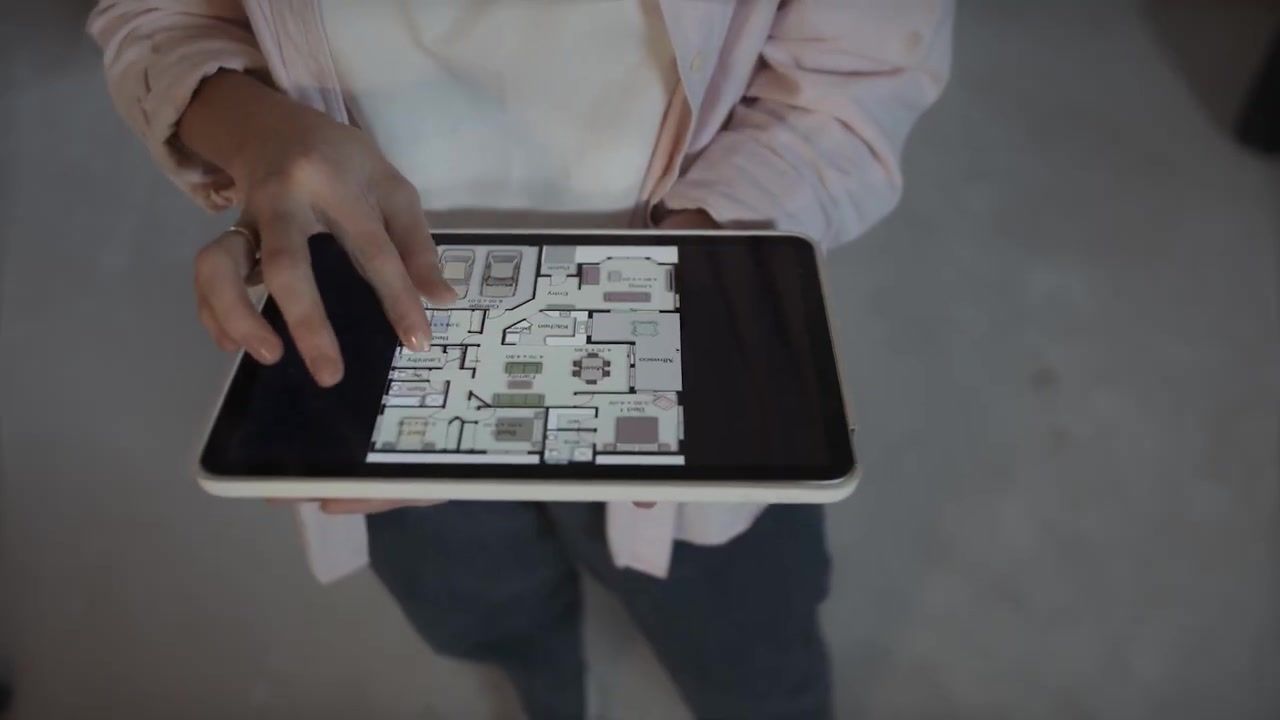
I want you to customize your home. That's the whole point of building. But don't go so far that you build something only you will love. I'm talking about built-in entertainment centers designed around one specific TV size, or that rock climbing wall in the bedroom that looks amazing on Pinterest but makes buyers walk away. Convert your garage into a personal sports bar if you want, but understand what happens when you list that home.
Over-customization works both ways. It applies to changes you make with the builder during construction and DIY projects you tackle after move-in. Built-in cabinetry looks beautiful until a buyer realizes it doesn't fit their furniture or their lifestyle. Hyper-specific layouts that solve your exact problem become someone else's dealbreaker. Live in your home, enjoy your home, make it functional for you. Just be mindful about what happens when you try to sell. If you're planning to stay forever, go wild. If you think you'll move in five to seven years, think twice before you commit to something only you will appreciate.
Skimping on Materials: Why Cheap Costs More Later
Quality matters. I know it's tempting to pick the cheapest carpet or go with laminate countertops to save money now, but you'll pay for it later. This shows up in two places. First, if there are multiple builders in a neighborhood, going with the cheapest one to save a few thousand dollars might cost you in resale value. Just because they're the cheapest doesn't mean they're the best. You might get a good deal now, but when you sell, buyers will compare your home to the higher-quality builder down the street.
Second, when you're in the design center, don't pick the cheapest option for everything. You don't need a waterfall marble countertop, but you also shouldn't pick the bottom-tier carpet or the lowest-grade cabinetry. Go somewhere in the middle. You won't be wrong there. Cheap vinyl flooring wears out fast. Low-quality cabinets look dated before you finish unpacking. It's that tension again: live in your house, use your house, make it functional for you, but also protect the investment. You're probably not going to live there for 30 years. Eventually you're going to sell, and you're going to want to make money. Don't skimp on materials. You'll regret it.
Ignoring Energy Efficiency (But Skip the Solar Panels)
Most builders these days are pretty energy efficient. They've got double-pane windows, insulation, all the basics. But there are exceptions. Some builders use spray-foam insulation instead of pink fiberglass. Some frame with 2x6 studs instead of 2x4, which gives you more spacing and better insulation. Don't skip on energy efficiency. It saves you money while you live there and makes your home more attractive to buyers.
Here's where I tell you energy efficiency does not mean solar panels. Please do not put solar panels on your home if you want to sell it. Appraisers do not value them the way you value them. Yeah, it's cool, and yeah, you might save on your monthly electric bill, but you have that payment. If those solar panels are on a lease, that payment gets added back to your buyer's debt-to-income ratio. It kills deals. Be energy efficient, be energy conscious. Put in LED light bulbs, energy-efficient fixtures, spray-foam insulation. Do all of those things. But do not put solar panels on your home. You will probably regret it.
Buying in a Bad Location
Even a palace will not sell in the worst part of town. Location is everything. Make sure you're buying in neighborhoods with great proximity to quality schools, low crime rates, and good infrastructure. A bad location is a bad investment. I don't care how beautiful the house is.
Also think about location within the neighborhood. If you're building on a lot that faces a main street with tons of traffic, or you're on the street where the school sits and you've got school traffic twice a day, think about those things. Drive through the neighborhood several different times. Think about the direction your home faces. Look at what's coming, what's growing, where grocery stores are going. There's a difference between being on the front end of a growth opportunity, think Lavon or Princeton , where you know growth is coming, versus buying in a place that just doesn't make sense because you got a good deal. You're not going to recoup that cost as well as you would in a different location. Be mindful of location and be mindful of location within the neighborhood. If you don't, you're probably going to regret it.
Overbuilding Your Home for the Neighborhood
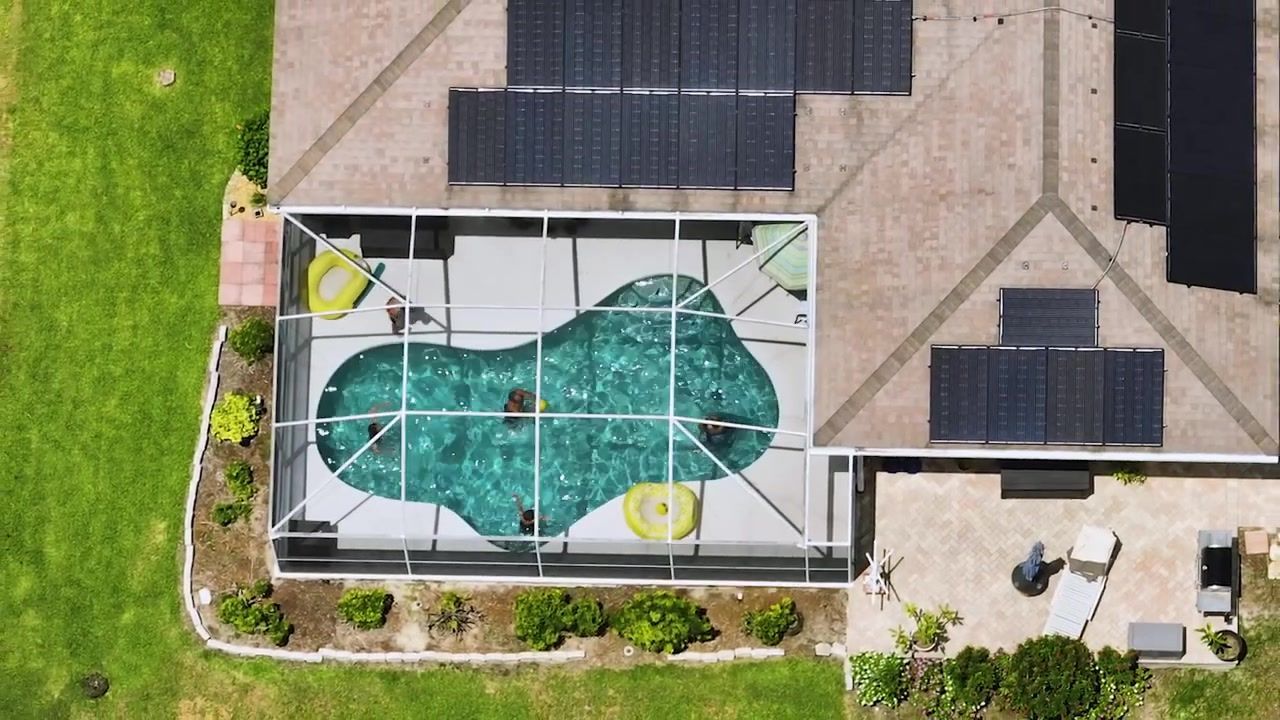
You do not want to be the most expensive home in the neighborhood. You also don't want to be the least expensive. You want to be somewhere right in the middle. It's more of an art than a science. If you're buying at a $400,000 price point, you shouldn't load up on mega fancy upgrades and then put in a $200,000 pool and think that home is going to sell for $700,000 when everything else is selling for $475,000. It doesn't work that way.
Don't over-upgrade for the community. It's going to be harder to get that return on investment from a buyer standpoint and from an appraiser standpoint. I always tell people when you're building, figure 10% to 15% of base price is what you should do in upgrades. Anything beyond that, you have to decide: are you doing this for form and function for you, or are you doing this for resale? Some things you put money into, you get that money back. Some things you put money into, it's just because you want it that way. Don't overbuild your home for the neighborhood. If you do and you're trying to sell, you're going to have a hard time getting comps to make that sale justifiable and get the money back that you want.
Neglecting Curb Appeal and Choosing an Unpopular Exterior Style
First impressions are everything. You go in and find the floor plan. That floor plan may have six different elevations. Then you start adding in brick combinations and stone combinations, and very quickly there are a lot of different options. Or you're buying off the builder's inventory and there are several different homes with different elevations. I've seen some homes with weird elevations and stone-brick combinations. You just look at them and go, huh, that's a choice you guys made.
Think about a buyer walking up. You may love it. Don't stray too far from the path on this. Think classic style. If you're confused about what that means, stay on Pinterest. Builders do a really good job of designing things that most people are going to like. But still, be mindful. Choose the elevation that makes the most sense for you. If there's an elevation that gives a front porch option, take that option. Most people like that. It's going to come back and help you later.
Also, maintain the yard. You're buying a brand new home, which means you have a blank canvas. You don't have mature trees, which is good and bad. You have a tree that's going to grow, and you need to maintain it. Maintain the flower beds. All of these new homes usually have some sort of flower bed or shrubbery. Keep it up. Water your yard. You're getting brand new sod and a sprinkler system. Use it. Keep the yard looking good. Keep your curb appeal universally appealing.
Picking a Poor Floor Plan
You pick a poor floor plan, you are going to regret it. There are only so many different ways to design a home. You can only put bedrooms and bathrooms and living room spaces in so many configurations before it all kind of runs together. Builders do a really good job of architecting their plans to use the space as best as possible. But sometimes you see floor plans and you're like, that doesn't make sense.
Don't pick the poor floor plan. People like open concept spaces. They want to flow from room to room. You would be better off in some cases having four larger bedrooms than five small bedrooms. Don't pick the bad floor plan. Don't pick the one where all the bedrooms are upstairs with no primary downstairs option if that's the outlier in the neighborhood. Take the one that functions for you, but don't be the outlier and wonder why it's hard to sell. It's because it's a weird floor plan.
Lack of Storage: Closets, Garages, and Pantries
People have a ton of stuff. That's why Marie Kondo and all the organization people are making so much money. Storage matters, and it shows up in three places.
First, bedroom closets. You want to make sure those are ample. Second, hall closets and linen closets. Those go a long way. Third, garage storage. A lot of builders these days are adding a 2.5-car garage, a two-car garage plus a storage space, or a bump-out, or a three-car, or a three-car tandem in some neighborhoods. That storage goes a long way. Personally speaking, if somebody has a three-car garage and we park one car in there because we have a bunch of stuff, you're going to recoup that value. It's good for you to have the ability to store that stuff, but also when buyers are looking and not every home in the neighborhood has a third car garage, or you have this massive walk-in closet, or you added decking in the attic so you can actually store stuff, that's a game changer.
The other thing is pantries. Walk-in pantries are huge. If you're looking at two floor plans and one has a walk-in pantry and one doesn't, I would lean toward the walk-in pantry because it's going to resell well. People want storage space.
Ignoring Outdoor Spaces
Going back to curb appeal and the elevation with the front porch, people want to enjoy their backyards. Some of these yards are getting smaller. Builders are building on 30-, 40-, 50-foot lots. If you have the option to add a covered patio, take that option. You will make that money back and you will get to enjoy it. Covered patios hold value really well. If it already has a covered patio and you can extend it, do that.
Maintain the backyard. Build out those living spaces. Extend the patio. Add lighting. If your home is in a gas community, consider adding a gas drop line on the back porch so you can hook up a grill, a kitchen, or run a line to a fire pit. Those add value and make your home more enjoyable. Don't ignore the outdoor spaces. You will regret it.
Pro tip: if you're building and the builder allows you to pull your fence forward, take your fence as far forward as they will let you. I don't care what they're going to charge you, they charge by the linear foot. Bring your fence as far forward as you can. It adds more side yard, which makes your yard bigger and gives you more space for activities. Then you extend your patio. You have a ton of space to enjoy and maximize that design. Don't ignore that. You will regret it.
Trend Overload: What's Hot Today Won't Be Tomorrow
Trends come and go. What was hot and cool today is not going to be hot and cool tomorrow. Farmhouse chic. Gray flooring. Words all over the walls. Go way back and we had sunken living rooms, side note, I wish those would come back because they were super cool, or shag carpeting. Style and trend change so frequently. If you overload your home in trend, you're probably not going to get that return on investment. You're probably going to regret it.
Stick to things that are timeless and neutral. Bring in neutral colors. The builders have really good design taste if you need help. Whether you're buying off their inventory or going to their design center, there are options. Look at Pinterest. Make your home your home, but don't overload it on trends. Know that when it comes time to sell, you're going to either have to fix it or give somebody a credit to have them update it.
Which Design Choices Protect Your Investment?
So where do you draw the line? You want to live in your home and enjoy it, but you also want to protect the investment. Here's how I think about it.
Choose timeless over trendy. Neutral colors, classic elevations, open floor plans. These sell well in any market. If you want to bring in your personality, do it with furniture, paint, and decor you can change.
Spend money where it comes back. Covered patios, walk-in pantries, three-car garages, energy-efficient upgrades, quality materials in the middle tier. These pay you back at closing.
Skip the stuff that only you love. Built-in entertainment centers, rock climbing walls, garage conversions, solar panel leases. These make buyers walk away or ask for credits.
Think like a buyer. Drive the neighborhood at different times. Look at the lot. Check the school district. Walk the floor plan and imagine someone else living there. If it feels too specific to you, it probably is.
The best new construction homes in DFW are the ones that balance personal style with broad appeal. You get to enjoy the home while you live there, and you get your money back, or more, when you sell.
Conclusion
Building or buying new construction in DFW is one of the best investments you can make if you do it right. But if you over-customize, skimp on materials, ignore energy efficiency, pick a bad location, overbuild for the neighborhood, neglect curb appeal, choose a poor floor plan, skip storage, ignore outdoor spaces, or chase every trend, you're setting yourself up for regret. I don't want that for you.
I want you to find the home of your dreams. I want you to find the home that fits for you and your family. If I can help you do that, reach out. I sell new construction all over DFW. I know the builders, the neighborhoods, the incentives, and the design centers. I want to represent you in that transaction, get you the best deal possible, help you save as much money as possible, and make sure you don't have any regrets. Call or text me at 469-707-9077 or book a FREE consultation here.
FAQ
Should I customize my new construction home or keep it neutral?
Customize your home to fit your needs, but don't go too far. Built-in cabinetry, rock climbing walls, and garage conversions are hard to sell. Stick to upgrades that most buyers will appreciate, like covered patios, walk-in pantries, and quality materials.
Are solar panels a good investment for resale?
No. Appraisers do not value solar panels the way you do. If they're on a lease, that payment gets added to your buyer's debt and can kill the deal. Focus on energy-efficient windows, insulation, and fixtures instead.
How much should I spend on upgrades when building a new home?
I tell people to spend 10% to 15% of the base price on upgrades. Anything beyond that, decide if you're doing it for yourself or for resale. Some upgrades pay you back. Others are just for you.
What's the biggest mistake buyers make with new construction?
Overbuilding for the neighborhood. If you're in a $400,000 neighborhood and you load up on upgrades and add a $200,000 pool, you're not going to sell for $700,000. Stay in the middle of the price range for your area.
Should I pick the cheapest builder to save money?
Not always. The cheapest builder might save you money now, but you'll lose it in resale value. Quality matters. Go with a builder in the middle tier who uses good materials and has a solid reputation.
What design trends should I avoid?
Avoid anything that's too trendy right now. Farmhouse chic, gray flooring, and words on the walls all go out of style. Stick to timeless, neutral choices that will appeal to buyers five or ten years from now.

Zak Schmidt
From in-depth property tours and builder reviews to practical how-to guides and community insights, I make navigating the real estate process easy and enjoyable.