DFW New Construction Homes: Why Builders Are Getting Desperate to Sell Before 2027
Builders in DFW right now are scared. Not broke, scared. They're worried about what's happening at the end of 2026 and what's coming in 2027, and that fear has a direct correlation to what happens for you if you're looking to buy from a builder or build with a builder. I want to walk you through what I've been reading, what I've been hearing from builders, and how you can use this to your advantage whether you're already here or relocating to DFW for a job, a better opportunity, or any other reason.
The big public builders, D.R. Horton, Lennar, are seeing a 22% year-over-year rise in cancellations. People are signing contracts and then backing out because they can't qualify, they're nervous about the market, or they found another house. Profit margins are down. Incentives are staying elevated. And if the really big builders are feeling it, you know the builders that aren't doing 100,000 homes a year are feeling it too. That scaredness is your opening.
We have a massive influx of inventory right now. You can find options at pretty much any price point from $300,000 to right at about $1 million, as long as you're relatively open geographically. The more geographically centric you get, the more limited your choices. But right now, standing inventory is high, cancellations are coming back to the market, and builders are doing whatever they can to move those homes. That means incentives are going to continue to be elevated, and you have room to negotiate.
Table of Contents
- Why DFW Builders Are Scared (and What That Means for You)
- How Builders Will Try to Shift the Market Back in Their Favor
- Who Should Buy an Inventory Home Right Now
- How to Negotiate When Builders Are Worried
- What to Watch: H-1B Visa Changes and Foreclosures
- Conclusion: Use Their Fear to Your Advantage
Why DFW Builders Are Scared (and What That Means for You)
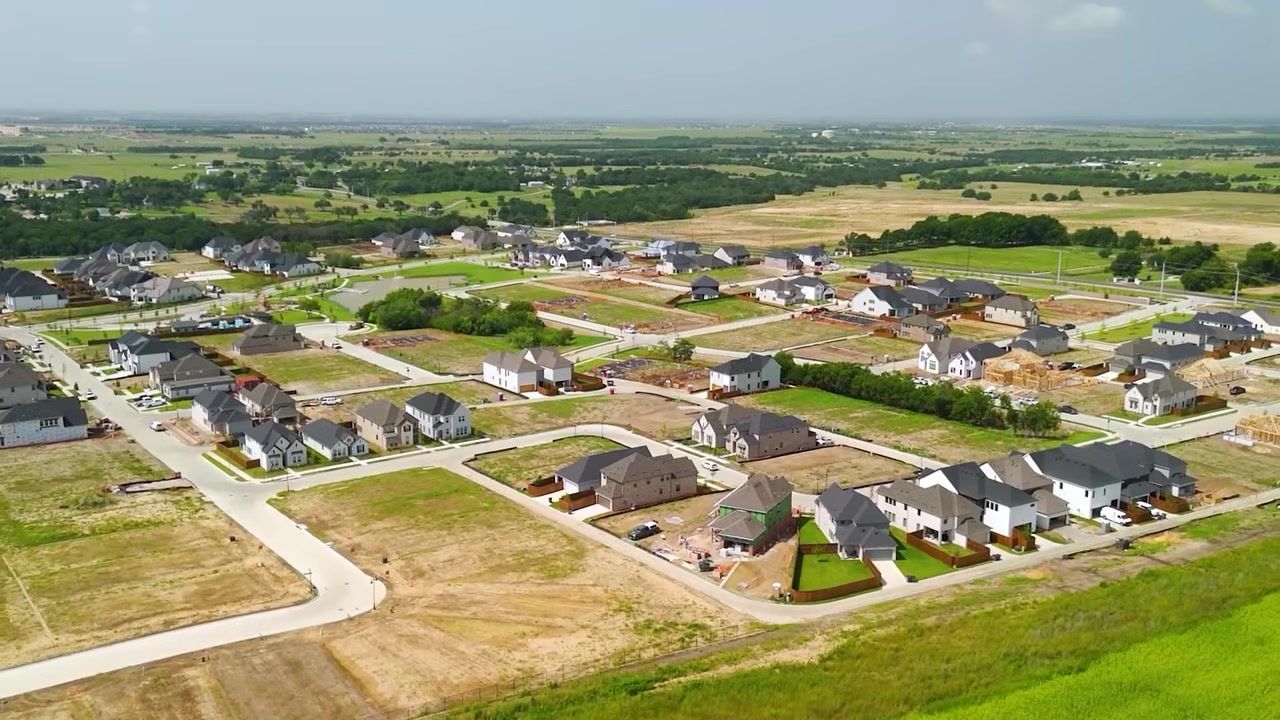
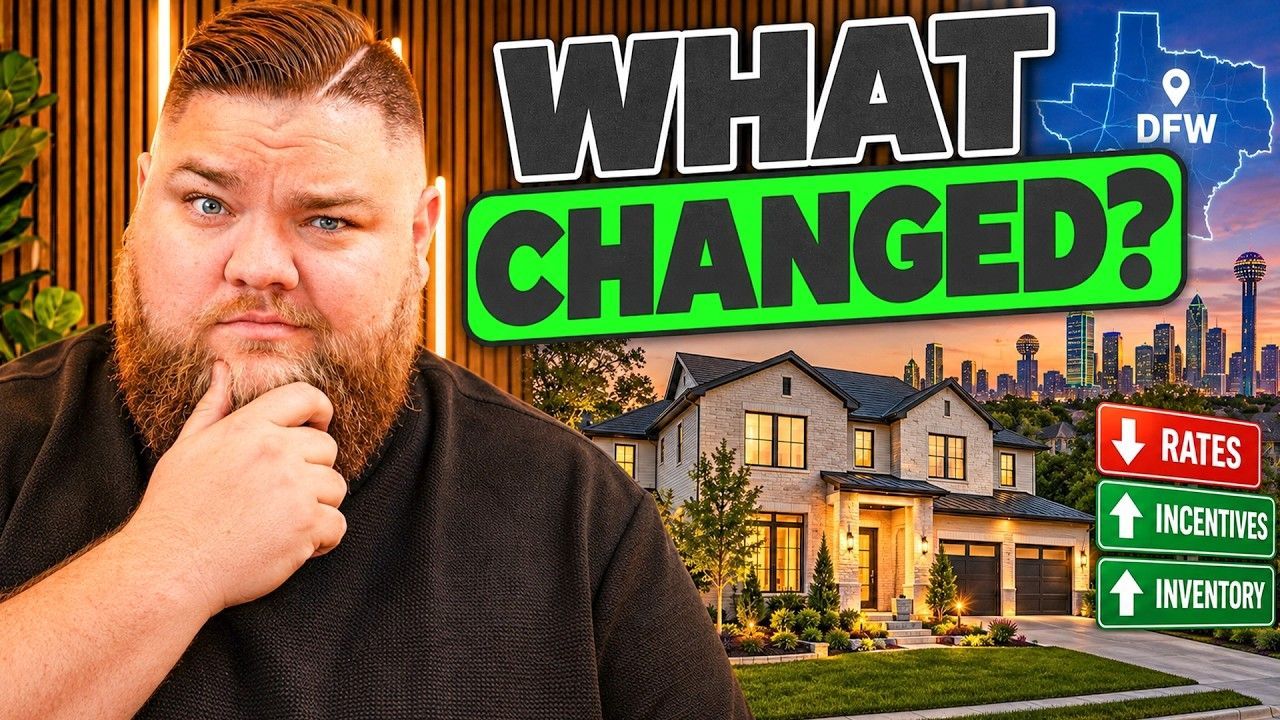
Most of the big builders right now are reporting that they're spending somewhere between 8% and 15% of the purchase price on buydowns, closing costs, and price reductions. Keep that number in the back of your mind when you're negotiating. Starts, new starts on homes, are down and they're going to continue to be down, which means there is less inventory going to be available down the line. Right now we have a lot of standing inventory and a lot of cancellations coming in, so homes that people might have started that builders weren't expecting to get back. They're going to do whatever they can to move those homes.
Here's the thing: the number on paper, the dollar amount of incentives, has stayed relatively the same over the last 15 to 18 months. We see on average $15,000 to $25,000 or $30,000. But the value of what that money does has dropped significantly. I'm not trying to beat up the builders. They are doing a lot. But you have to understand as a buyer that the money they're giving you is not going nearly as far as it would have two to three years ago. There's a scaredness in there. They need to move homes. They need to have transactions happen.
The sales rep you're having a conversation with is probably scared too. They're working on full commission, and if they're not selling houses, they're not feeding their family. So they're probably looking at this like, what do we have to do to fight for a deal? I can't tell you how many emails I've read this morning alone from different sales reps saying, hey, we've got inventory, we won't say yes to anything, but at this point come in and make us an offer. If it makes sense, we would probably entertain it. We've done that with several clients recently where it's been like, here's what we're looking at, where can we make the money make sense and make it a deal that works for you guys? You have that ability to do so. The higher we move in price, probably the more range we have of motion to work out deals and make changes if you're looking at inventory homes between now and probably the middle of Q2 2027.
How Builders Will Try to Shift the Market Back in Their Favor
Here's my prediction of what I think is going to happen. Step one: we're going to cut down on our starts. So we're going to slow down production. Step two: that will force our inventory down. This is going to create scarcity. In a neighborhood where you might have 20 options right now, we might get to 10 or to 7. There's always going to be a little bit of inventory everywhere, and this is excluding people that want to go through the full process to build.
Step three: we protect our base prices. Builders tend to be hard to negotiate on base pricing, so they're not going to cut down below the sticker. They're going to cut artificially in a way and say, hey, we're going to do more buydowns here, we're going to do more incentive packages here, we're going to do more included things here so that it protects their baseline. Step four: once all of those things happen, the market will then shift back into a balance of favor toward them. That's my prediction of what I think some things they're going to try to do.
Nobody knows. I think that's probably one of the biggest things we've seen: nobody knows. Truthfully, if anybody's telling you like you got to get in right now, right now, you probably already missed it. There's always going to be a right market for somebody and a wrong market for somebody else. If you are somebody who is needing to move, like you have to get to DFW, or you have to get into a house, or you're having to upgrade, this is a great time as a buyer to take advantage of that and use their money strategically to get you in a place that will set you up long term.
Who Should Buy an Inventory Home Right Now
The best people I think that can buy an inventory home: A, you don't have a home to sell here in DFW. If you're trying to sell, unless you're in a hyper-niche space, you need to understand that home's going to sit for probably a while. Most builders won't even have a conversation with you about an inventory home if you have a home to sell. Now, if you get that home under contract, let's say you've got it listed and you've got a contract and you know when you're going to close, then you could probably approach a builder about a contingency with that contract. But if you're just now getting it on the market or you don't have it on the market yet, they are probably not even going to talk to you about that. They will consider talking to you about a build, but an inventory is not going to happen.
Best people buying inventory homes:
- You don't have a home to sell in this market. You're renting, you're transitioning into this market. We have clients that are selling in other parts of the nation where their homes sell incredibly fast. We had some clients recently from the East Coast, and they were like, hey, we had a contract on our house before we even hit the market. Different markets, if you're outside of Texas and you're trying to sell, you might be in a good spot where you can sell and get into an inventory home relatively quickly here.
- You can qualify for both. Whether that means you're taking a bridge loan or you're taking a buy before you sell program. We do have access to that kind of stuff with our lenders. I can get you in contact with them. There is some risk. There's always going to be some risk involved. You need to understand that and have that risk tolerance and have that appetite for what that's going to entail.
- You're somebody who owns some property and you're not going to sell it. You're turning it into investments. You're holding on to it. You have a plan. The educated people with a plan, those are the ones that are winning right now. I'm just being transparent and honest with you. If you're walking into this blind, you're probably going to lose. If you're walking in with a plan and understanding of, hey, this is what it's going to take to get us into this house, those are our winners that we see right now.
Getting the right deal on the wrong house, you might as well have just bought the wrong house. You're still going to be miserable. So that's where we want to balance this act of like, hey, I want to get you the best deal I possibly can, but I want to make sure it's the right house for you and your family, the right location, and it's close to the schools you want your kids in, it's close to the church you want to be at, it's close to where you want them to play soccer or hockey or your job. There's so much going on here that we have to do the best we can to mesh it all together. And you got to be able to be comfortable with some of the payments that we're looking at right now, some of the property taxes that are not going to go down, not anytime soon.
How to Negotiate When Builders Are Worried
The buyer pool is going to continue to shrink in some cases. We still have growth coming into DFW, and I think at the sub-$500,000 market, so like probably $350,000 to $500,000, you're still going to see probably lots of competition. As we move above that $500,000, so that $500,000 to $750,000, $800,000, $900,000 range, if you're one of those buyers, your competition pool is going to drop, which means you're going to be playing from a competitive advantage. And that's where you're really going to be able to win.
Builders are scared. They are worried. The sales rep you're talking to is worried. They're worried about feeding their family because they don't care about whether their company has 40 lots on the west side of town when they sell on the east side of town. They want to know, hey, what can we do to make a deal work? Which means if you are likable, if you are straightforward, if you're negotiating with integrity and fairness and asking the right questions to get the right deals done, they're probably going to go to bat for you and they're probably going to advocate for you so that they can make something work so that they can sell a house so that they can get paid.
If you're looking at building, please, please, please do not let all of your incentive dollars get tied up in design and structure. Make sure that you have some money to negotiate on the back end to do a rate buydown, to do some of your closing costs, to structure that deal in a way that makes sense for you and your family. Even if we see that rates are going to continue to be elevated through 2027, which seems like based on all the smart people I've read seems like it's going to be the thing, they're going to give you probably the same amount of money. It's just probably not going to go as far. And then you have to make the choice on how you want to use that, whether it's a temporary buydown (which I don't know that I would recommend, I mean we could look at it), an ARM (which a lot of people have done recently, I think there's some pros and cons to that), or a permanent buydown. I really just want you to be able to speak intelligently and articulately about it so that you can make the best choice for you and your family.
The other thing to point out about builders being scared is a lot of them bought land at inflated prices. Developments are basically five-year cycles. What we're seeing being started and developed in terms of new neighborhoods in '26 and '27 was stuff that they probably agreed to and bought into in '22, '23, and '24. They might have paid the developer a higher cost of entry to get in, which means their prices still have to stay elevated because they're seeing their margin compress, which is what we saw in the earnings call from Horton. We saw it in the earnings call from Lennar. And that's just the public data. The private builders don't have to report on their earnings, but I know based on conversations margins have been compressed. They were making here and now they're making here and they're trying to figure out how to navigate that. Use that to your advantage.
What to Watch: H-1B Visa Changes and Foreclosures
Another thing that I think should be worth watching, and I don't know what this is going to do to the market, I'm watching with a little bit of timidness, is we are with the changes in the H-1B visa situation. I think based on some of the conversations I've had, we are going to see a rise in keys on the counter and people leaving homes and foreclosures in some of our potentially northern markets. And what is that going to do to the housing market? I don't know. I'm just being honest with you. I wish I had a crystal ball, I could tell you. But I think that's something worth watching because I think the builders are going to have to watch it because again, they're heavily invested in these spaces and they're seeing what's happening.
If those start to tank a market or if those start to drop prices, then the builders have to then drop pricing to compete. And then they're trying to, again, you're seeing a potential there. So while you might see a drop in builder inventory, you might see a raise in foreclosures. And then there's a whole other conversation. I'm not telling you to go that route. I'm just telling you I'm trying to build this world of you understanding, hey, them being scared is a great opportunity for you to take advantage.
Conclusion: Use Their Fear to Your Advantage
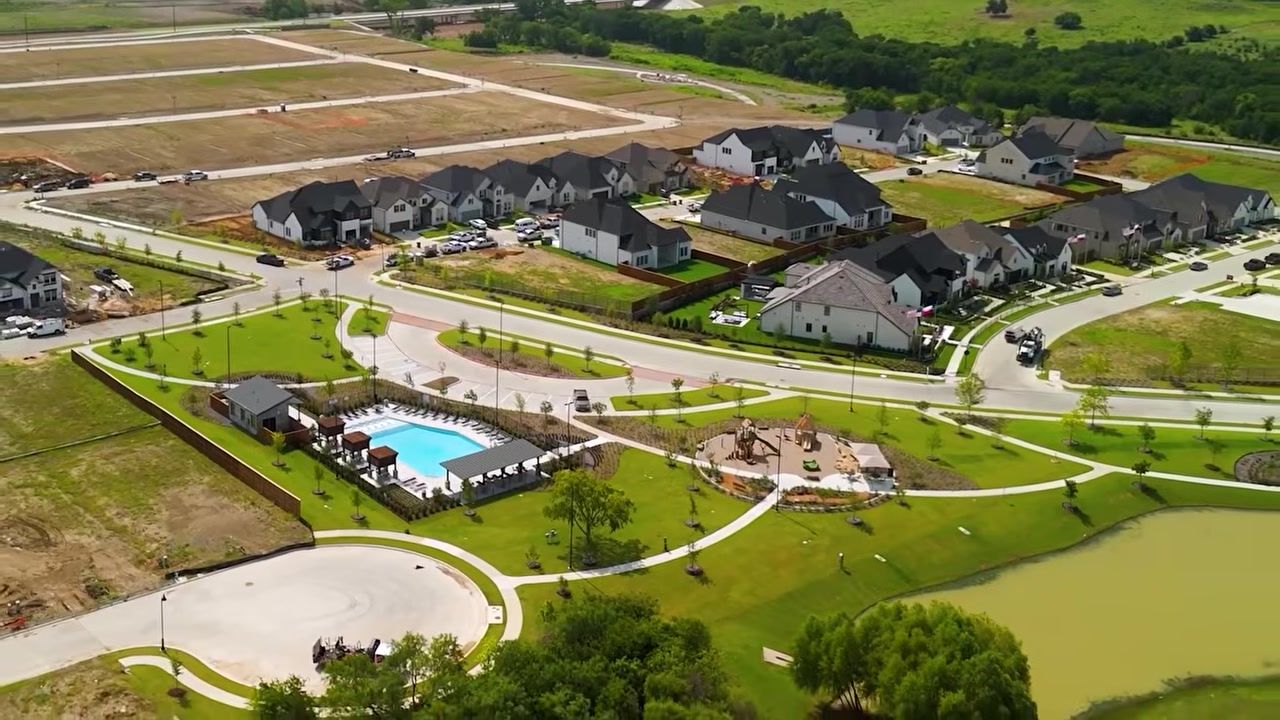
Builders are scared. Sales reps are worried. Inventory is high, cancellations are up, and starts are down. If you're needing to move to DFW, whether you're relocating for a job, upgrading, or transitioning from another market, this is a great time to take advantage of that and use their money strategically to get you in a place that will set you up long term. The educated people with a plan are the ones winning right now. If you're walking in with a plan and understanding of what it's going to take to get you into this house, you're going to be in a much better position.
If you have questions about your specific situation, here's what I want to give you. If you're not ready to have a conversation yet but you want to know what's out there, we send out an email every single week on all the deals that we're seeing. The one we sent out this week had a $100,000 reduction on a house in Celina and another builder doing a 3-2-1 buydown over in Fort Worth. You can get on our email list, link is down below, and every Thursday we send out what we're seeing. If something interests you, we would love to have a conversation. If you're at that next level and you're ready to move forward, you can call or text me at 469-707-9077 or book a FREE consultation here and we can chat through what the process looks like, what questions you have, what you can get within your budget, what the best builders to look at are. I would love to help.
FAQ
What are builders doing to move inventory right now?
Most big builders are spending somewhere between 8% and 15% of the purchase price on buydowns, closing costs, and price reductions. They're doing whatever they can to move standing inventory and cancellations that have come back to the market. The dollar amount of incentives has stayed relatively the same over the last 15 to 18 months, on average $15,000 to $25,000 or $30,000, but the value of what that money does has dropped significantly.
Who should buy an inventory home in DFW right now?
The best people buying inventory homes are those who don't have a home to sell here in DFW, those who can qualify for both (whether through a bridge loan or a buy before you sell program), or those who own property and are turning it into investments. If you have a home to sell in this market, most builders won't even have a conversation with you about an inventory home unless you already have it under contract.
How much negotiating power do buyers have at different price points?
At the sub-$500,000 market (probably $350,000 to $500,000), you're still going to see lots of competition. As you move above $500,000, so that $500,000 to $750,000, $800,000, $900,000 range, your competition pool is going to drop, which means you're going to be playing from a competitive advantage. The higher you move in price, the more range you have to work out deals and make changes if you're looking at inventory homes.
Should I use all my incentive dollars on design and structure?
Please do not let all of your incentive dollars get tied up in design and structure. Make sure that you have some money to negotiate on the back end to do a rate buydown, to do some of your closing costs, to structure that deal in a way that makes sense for you and your family. You have to make the choice on how you want to use that money, whether it's a temporary buydown, an ARM, or a permanent buydown.
What should I watch for in the DFW market heading into 2027?
Watch for changes in the H-1B visa situation. Based on some conversations I've had, we are going to see a rise in keys on the counter and people leaving homes and foreclosures in some of our potentially northern markets. If those start to tank a market or drop prices, then builders have to drop pricing to compete. While you might see a drop in builder inventory, you might see a raise in foreclosures. I don't know what this is going to do to the market, but it's something worth watching.
How do I negotiate with a builder when they're worried?
If you are likable, if you are straightforward, if you're negotiating with integrity and fairness and asking the right questions to get the right deals done, the sales rep is probably going to go to bat for you and advocate for you so that they can make something work. They want to sell a house so they can get paid. Come in with a plan and understanding of what it's going to take to get you into this house, and you're going to be in a much better position.

Zak Schmidt
From in-depth property tours and builder reviews to practical how-to guides and community insights, I make navigating the real estate process easy and enjoyable.