Buying New Construction Homes in DFW? What to Know Before You Buy
When you are shopping for new construction homes in DFW, affordability can be incredibly tempting. Drive through a fast-growing place like Princeton and you will see it everywhere: fresh framing, new streets, hundreds of rooftops, and price points that feel like a real entry into the market. For a lot of families, that opportunity is huge.
But there is a question that should come up before choosing the lowest price or the biggest builder incentive: Who is going to buy this house from you next?
That question matters because a builder and a homebuyer are playing two totally different games. A builder may be working on a two to five year window. They buy land, develop it, sell the homes, and move to the next project. You may be making a five, ten, or fifteen year decision based on your family, kids, career, community, and future options.
A good deal on the wrong dirt is still a bad deal. Here is how I think through new construction homes in DFW, including the builder mix, employment base, pricing ladder, resale competition, and the life you are actually trying to build.
Key Takeaways
- Builder activity can reveal land cost and current demand, but it does not automatically predict long-term value.
- Retail confirms existing population, while employers and infrastructure help support future housing demand.
- A city with entry-level, mid-tier, and move-up housing gives families more options to stay and grow.
- Your lifestyle, family connections, commute, and timeline should guide the final decision.
Table of Contents
- Why New Construction Buyers in DFW Need a Long-Term Plan
- Compare Builders and Price Points in DFW
- Evaluate Jobs and Economic Growth in DFW
- Compare DFW Home Prices for Future Resale
- Avoid Resale Risks in DFW New Construction
- Match Your Timeline to a DFW Suburb
- Best DFW Suburbs for New Construction Homes
- Choose the Right DFW Home for Your Family
Why New Construction Buyers in DFW Need a Long-Term Plan
Builders are not necessarily making a long-term bet on whether a city will be the perfect place for your family. They are making a business decision based on land cost, city approvals, development timing, demand, and what they can sell right now.
That does not make a builder wrong. It is just important to understand what their decision means. A builder can buy inexpensive land in an outer-ring suburb, build a large number of entry-level homes, sell them quickly, and move on. Meanwhile, you have to think about schools, commutes, future resale, tax rates, and whether you can stay in the area as your life changes.
Think about it like a sports team at the trade deadline. A general manager may acquire a player to help win this season. That player might be a rental. A buyer needs the equivalent of a long-term asset, something that continues to work for the family after the first excitement of moving in wears off.
That is why evaluating new construction homes in DFW should not start and end with the home itself. The city, community, future inventory, and buyer pool all matter.
Compare Builders and Price Points in DFW
The first question is simple: Who is building here, and what tier are they building?
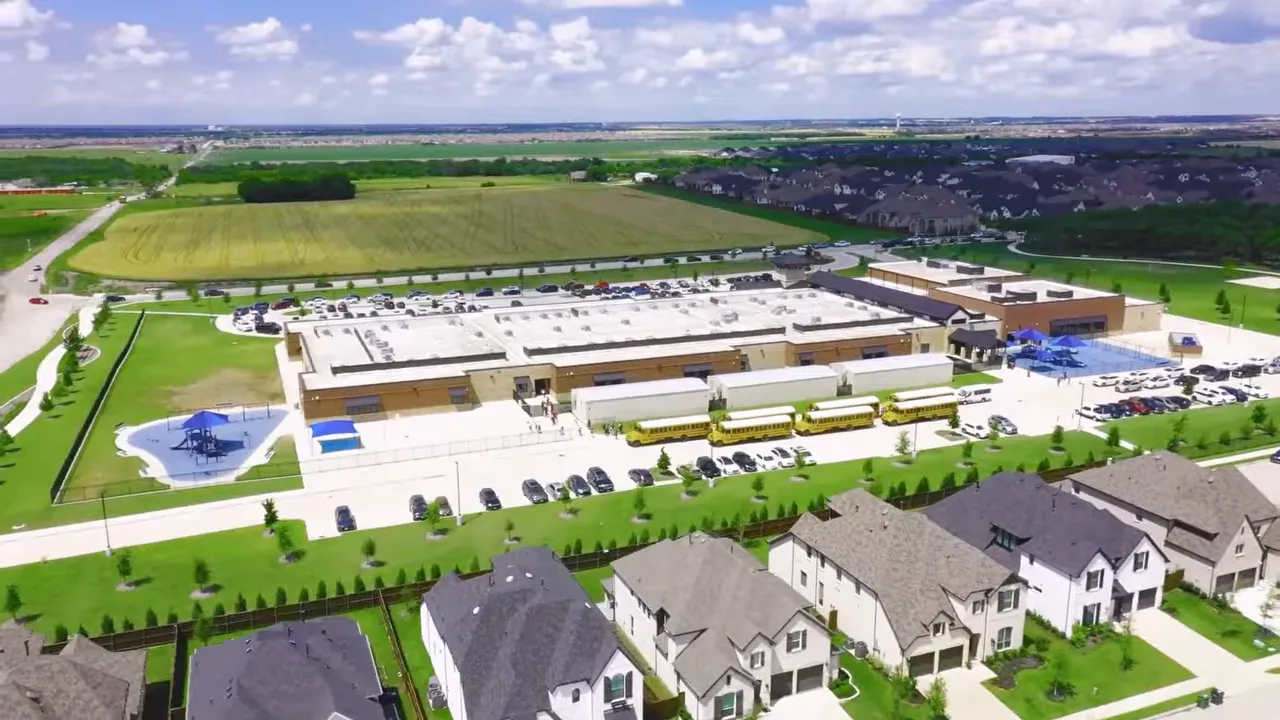
Do not just look at the builder of the one home you like. Look across the active communities in the entire city. Are there only entry-level builders? Is there a mix of starter homes, move-up homes, and higher-priced communities? Are all the homes landing in one narrow price band?
In places like Princeton, much of the activity can be concentrated among builders focused on affordable, high-volume production. That is not automatically a negative. It often means the land was relatively inexpensive, the market allows scale, and builders can create accessible price points.
But if higher-tier builders are not there yet, it may mean they are waiting for incomes, rooftops, infrastructure, and buyer demand to prove themselves before bringing a more expensive product into the market.
When comparing new construction homes in DFW, pull up every active neighborhood in the city and ask:
- What price points are currently being offered?
- Is the city entirely entry-level, or does it have move-up opportunities?
- Are there a variety of builders and home styles?
- Could a future buyer reasonably stay in the city as their household grows?
A healthy market usually has more than one type of buyer. It has people entering the market, families moving up, and buyers who want to stay in the community without having to leave everything behind.
Evaluate Jobs and Economic Growth in DFW
The second thing to understand is the difference between a lagging indicator and a leading indicator.
Retail is usually a lagging indicator. Costco, H-E-B, Walmart, Kroger, and other retail projects often arrive because there are already enough people nearby to support them. That is useful information, but it confirms what has already happened.
Employment drivers are different. Major employers, office campuses, hospitals, universities, industrial facilities, data centers, and large commercial operations can help create the economic base that supports future housing demand. They bring jobs into the area and can make it easier for residents to afford homes there over time.
This is why it is important to separate a city with retail from a city with a real job base. A suburb can have great grocery stores and new restaurants while still requiring most residents to commute somewhere else for work.
Celina is a good example of the distinction. It has grown quickly and has attracted retail, but a large part of its buyer base is still connected to commuting elsewhere. That can work for many families, but the commute needs to be taken seriously. A 30, 45, or 50 minute drive may feel very different after a remote job becomes an in-office job.
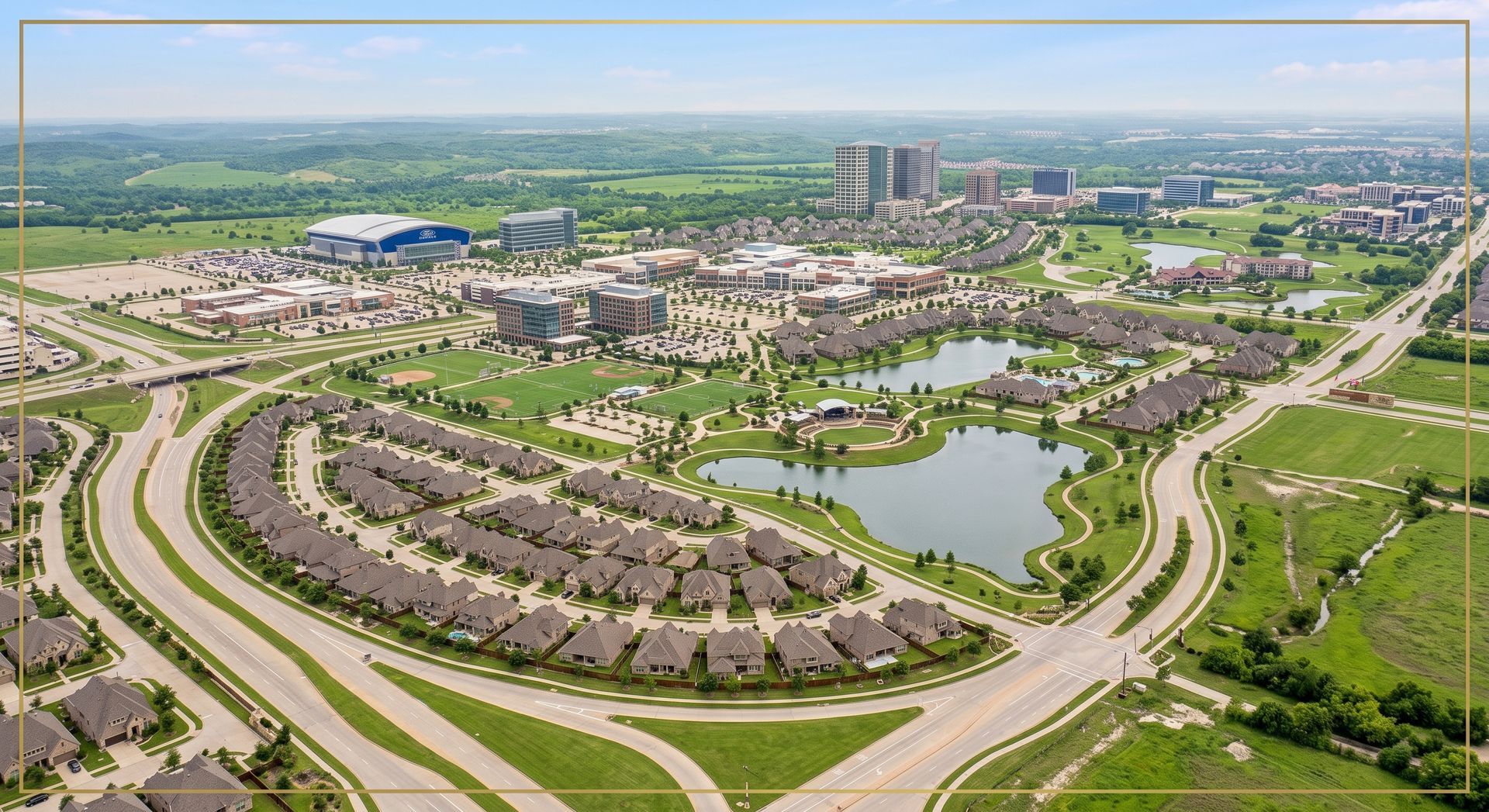
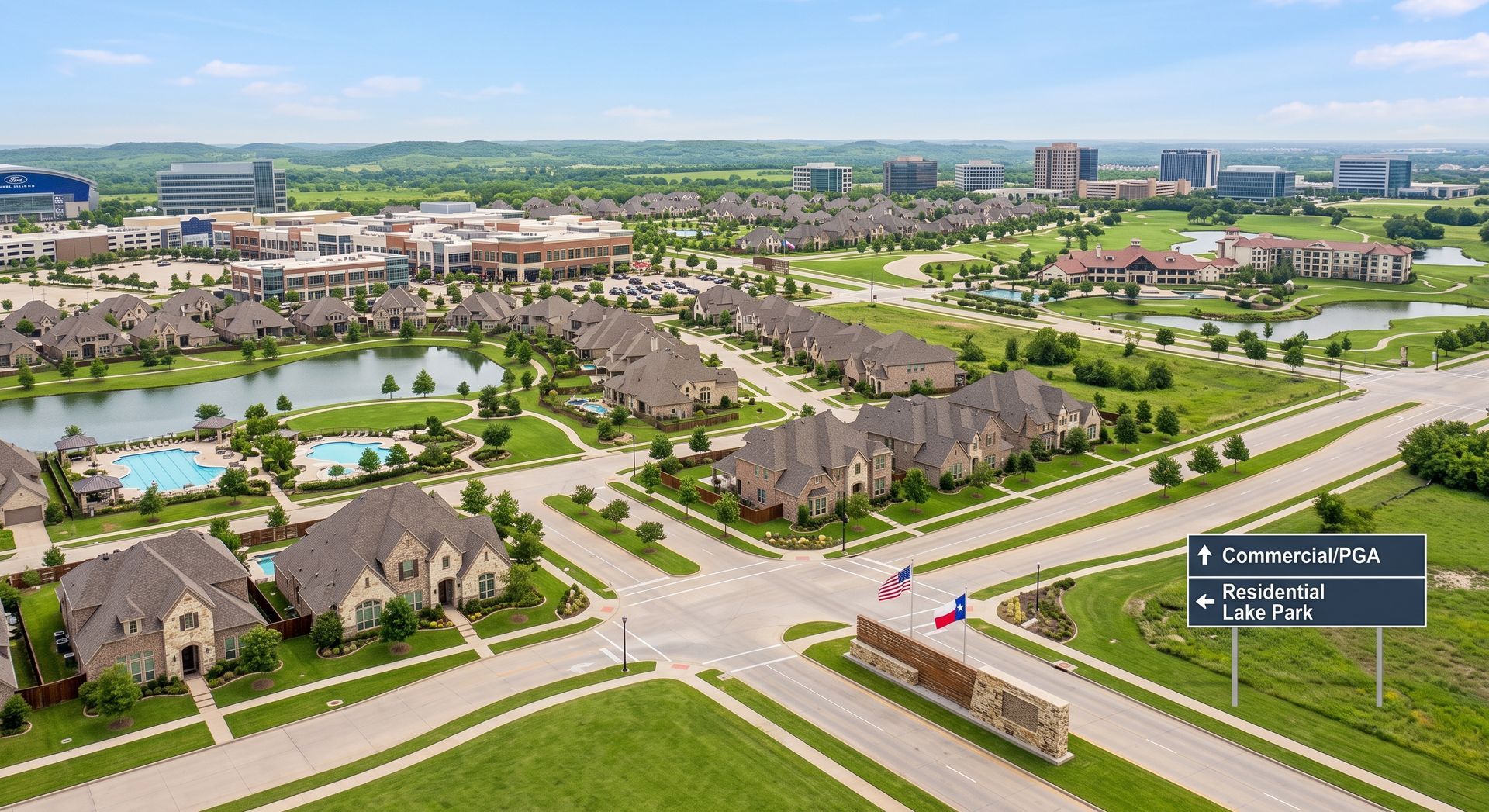
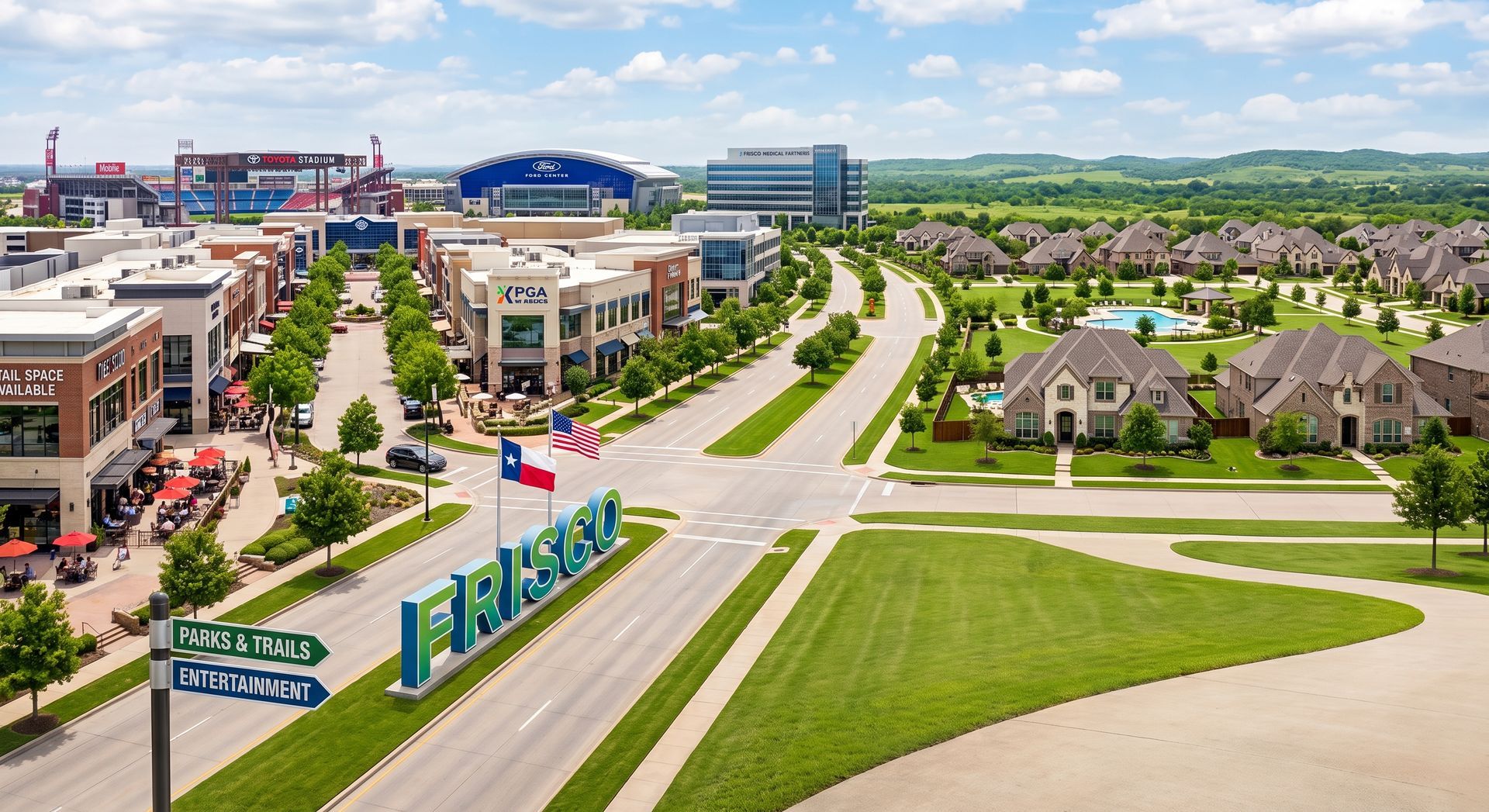
Frisco took a more intentional approach by pulling in major commercial and employment anchors such as PGA, Toyota, and The Star. The idea is not that every suburb must become Frisco. The point is to ask what is actually supporting long-term demand in the market you are considering.
For new construction homes in DFW, ask whether the city has an employment engine or mostly has rooftops and retail. If a city depends heavily on single-family rooftops for its tax base, that can also affect infrastructure needs, taxes, and development districts such as MUDs and PIDs.
Compare DFW Home Prices for Future Resale
The third framework is the pricing ladder. Think of every city as having rungs on a ladder. How many choices does a family have as their needs and budget change?
Ideally, a city has an entry point, a healthy middle, and a move-up market. That gives families a way to grow without immediately changing school districts, leaving friends, switching churches, or losing the community they have built.
A market with everything under roughly $500,000 may offer affordability, but it can become a one-rung ladder. When households need more space, a bigger yard, or a pool, they may have to leave the city. That can create a heavier concentration of investor ownership and rentals over time as entry-level homes turn over.
The opposite issue can happen in a place where the starting point is already $700,000 or $800,000. There may be no real entry product, which narrows the future buyer pool. Higher-priced markets can still be very strong, but they can be more rate-sensitive and may appreciate more slowly.
The best DFW suburbs for new construction are not necessarily the cheapest or the most expensive. Often, the sweet spot is a city where families can enter, move up, and stay.
As you compare new construction homes in DFW, avoid buying the most expensive home in a neighborhood or the least expensive home if possible. Being somewhere in the middle usually creates a better resale position and a broader future buyer pool.
Avoid Resale Risks in DFW New Construction
There is another piece that gets missed all the time: your resale competition may not be your neighbor. It may be the builder.
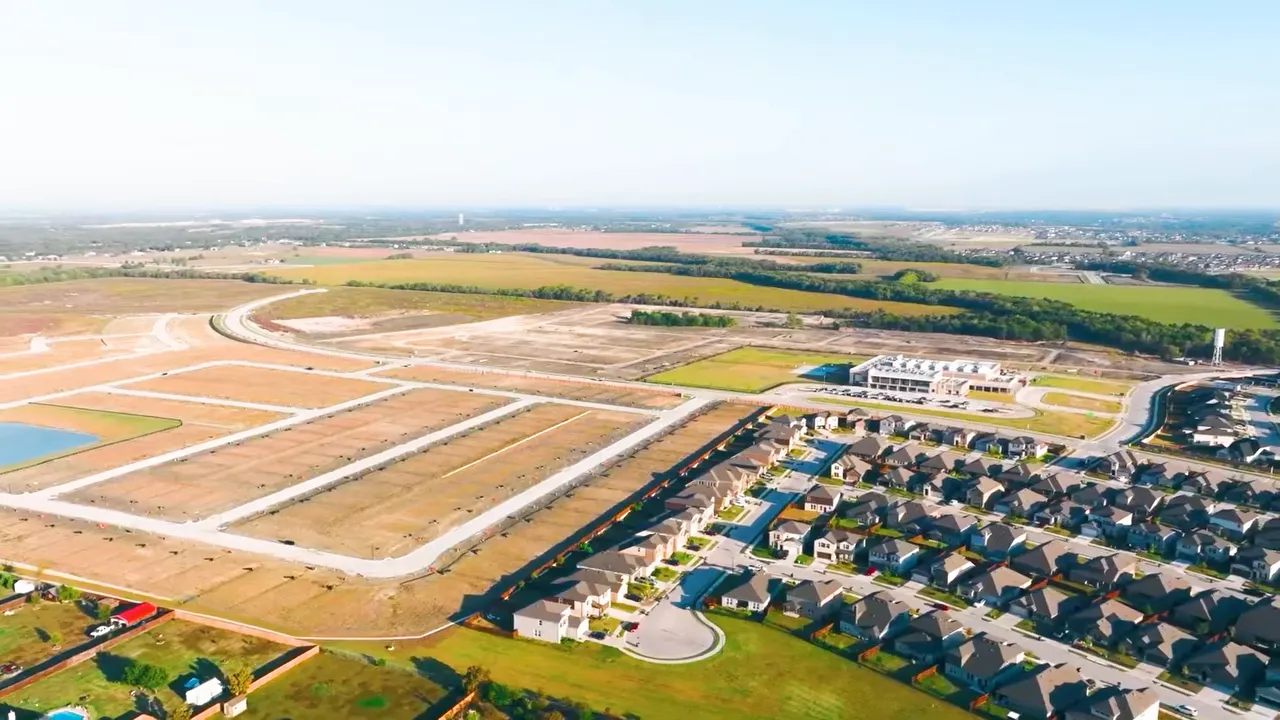
Buying early in a community can absolutely create an opportunity to get a good deal. But if you are home number five in a 5,000-home community and need to sell in 12 to 18 months, you may be competing against a builder still delivering the same plan at scale.
The builder may have rate buydowns, closing-cost incentives, and enough margin to undercut a resale. That is a tough spot to be in.
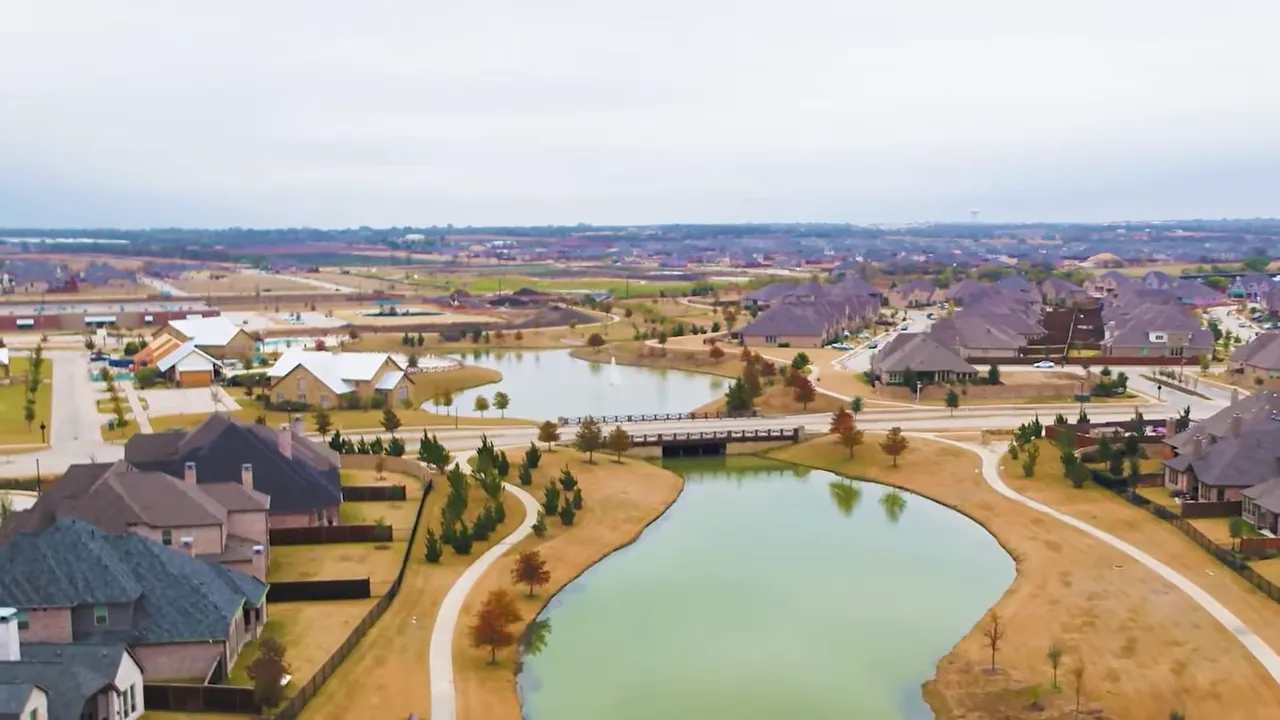
I think about this like collectible cards. The value is not just in the card itself. It is also in the scarcity. If a neighborhood has 400 nearly identical spec homes, it is harder to make yours stand out when it is time to sell.
That does not mean every neighborhood needs custom homes. It means you want some variety in elevations, lots, plans, finishes, and price points. Differentiation matters when your home becomes inventory.
For new construction homes in DFW, pay attention to:
- The total planned number of homes in the community
- How long the builder is expected to keep selling new homes
- Whether your floor plan is repeated everywhere
- How many inventory homes are currently available
- Whether the builder is offering aggressive financing incentives
Match Your Timeline to a DFW Suburb
Every framework changes based on your timeline. A three to five year plan is different from a ten to fifteen year plan. A person relocating for a job, a family planning for kids, and someone preparing to retire are not making the same decision.
Everybody likes to call something a forever home, but life happens. Families grow, jobs change, parents need help, and priorities shift. Everything is for sale eventually. The goal is not to predict every life change. The goal is to avoid putting yourself in an unnecessary corner.
When evaluating new construction homes in DFW, be honest about what is most likely:
- Will you need to sell quickly if a job changes?
- Are you likely to need more bedrooms or a bigger yard?
- Do you need to stay close to family, school, or a specific commute?
- Are you comfortable with a developing area while infrastructure catches up?
Your timeline should influence the kind of risk you are willing to take. A long-term buyer may be more comfortable buying into a growth corridor. A short-term buyer may need to be much more careful about builder competition and future inventory.
Best DFW Suburbs for New Construction Homes
The right city is always going to depend on your life, but there are a few places where this framework can be useful in real time.
McKinney
McKinney is one of the stronger examples of a city with a real pricing ladder. It has major employers such as Raytheon, Globe Life, Encore, Amazon-related operations, and a broad mix of housing. There are neighborhoods on the east side with lower entry points, communities closer to Highway 75 in higher price ranges, and developments such as Painted Tree that can push toward the top of the market.
For families looking at new construction homes in DFW on the north side, McKinney offers location, schools, employment access, and a variety of options that make it worth evaluating.
Haslet, Northlake, and Justin
The northern Fort Worth corridor around Haslet, Northlake, and Justin is another growth area to watch. The broader region benefits from employment pull related to the airport, data centers, Lockheed Martin, and Charles Schwab in the Southlake area.
Justin, Northlake, and Haslet may not all have the same built-out feel as established suburbs, but there are some really interesting communities and a pricing ladder that can stretch from around the mid-$500,000s into the million-dollar range. For buyers who want growth potential with more space, these can be among the best DFW suburbs for new construction to compare.
The 287 Corridor Near Midlothian and Waxahachie
South of Dallas, the 287 corridor around Midlothian and Waxahachie offers another option. Industrial development, warehouse activity, and data investment are part of the bigger story, while the housing side can offer entry-level product through acreage opportunities.
If the goal is more room between neighbors without immediately jumping to a million-dollar budget, this area can offer possibilities in the $500,000 to $800,000 range depending on the community and lot type.
Choose the Right DFW Home for Your Family
At the end of the day, most people are not picking from forty suburbs on a map. Life narrows the search. Your job may put you in one area. Your parents may live in another. Your kids may already be in a school or on a team. Maybe you want them close to their grandparents, and that matters more than a spreadsheet ever could.
That is real life. It should be part of the decision.
I want the deal to work. I want you to get incentives, a good lot, the right rate strategy, and the best possible terms. But I want you to get the house that fits your family before it fits the spreadsheet.
There is no perfect answer for every buyer looking at new construction homes in DFW. There are simply better questions. Consider affordability, builder mix, jobs, commute, pricing ladder, resale competition, and timeline. Then decide what matters most to your family.
Frequently Asked Questions About New Construction Homes in DFW
Are new construction homes in DFW a good investment?
They can be, but the purchase should be evaluated beyond the builder incentive or starting price. Consider the city’s job base, builder mix, future inventory, resale competition, and whether the area has a healthy pricing ladder.
What makes a DFW suburb good for new construction?
The best DFW suburbs for new construction tend to offer a mix of price points, employment access, infrastructure, community options, and room for families to move up without leaving the city.
Should I avoid large new construction communities?
Not necessarily. Large communities can offer amenities and pricing opportunities. Just understand that a short-term resale may compete directly with the builder, especially when many similar homes are still being delivered.
Why does the pricing ladder matter when buying a new home?
A pricing ladder shows whether a city has options for first-time buyers, growing families, and move-up buyers. More price tiers can support a broader buyer pool and allow households to stay in the same community as their needs change.
Buying a new construction home in DFW is about more than finding the right floor plan—it’s about choosing a location and community that will work for your family today and hold up when it’s time to sell. Call or text me at 469-707-9077 or book a FREE consultation here , and let’s make sure you’re making a smart move before you sign on the dotted line.
READ MORE: How to Get the Best Deal on DFW New Construction Homes

Zak Schmidt
From in-depth property tours and builder reviews to practical how-to guides and community insights, I make navigating the real estate process easy and enjoyable.