Pros and Cons of Living in DFW: What You Need to Know Before Moving to DFW
If you are researching the pros and cons of living in DFW, the first thing we need to clear up is this: when most people say they want to move to Dallas, they usually mean the whole Dallas Fort Worth metroplex.
And that matters, because DFW is huge. Not kind of big. Truly massive. So before we talk jobs, traffic, food, weather, and housing, we need to get our bearings. If we skip that part, everything else gets confusing fast.
Table of Contents
- Why the DFW Metroplex Is Bigger Than Most Expect
- Dallas vs Fort Worth: Key Differences in DFW Living
- Pros of Living in DFW
- Cons of Living in DFW
- Suburban Life in DFW
- Housing Options in the DFW Metroplex
- Is Living in DFW a Good Choice?
- FAQs About the Pros and Cons of Living in DFW
Why the DFW Metroplex Is Bigger Than Most Expect
One of the biggest mistakes people make when weighing the pros and cons of living in DFW is thinking of it like a single city. It is not. DFW is a giant regional network of cities, suburbs, job centers, highways, school districts, and neighborhoods that all feel a little different.
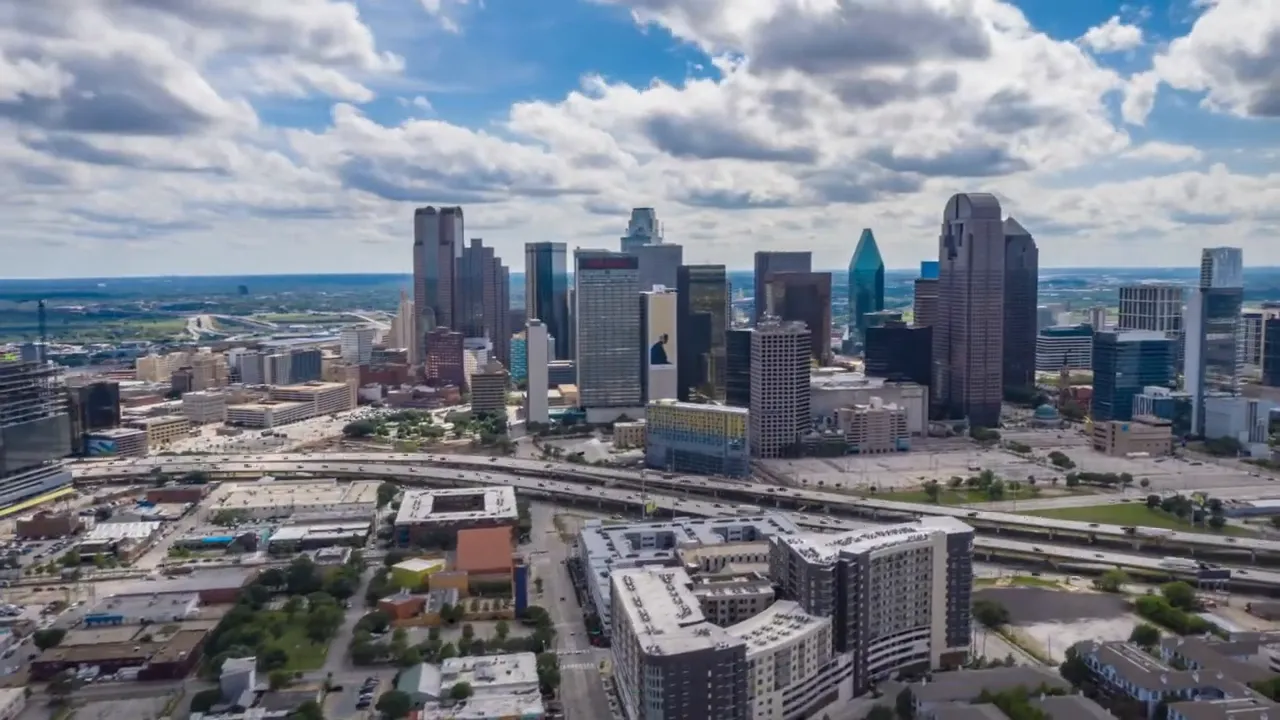
The metroplex has more than 8 million people and keeps growing. It is one of the largest metro areas in the country, and it takes up more than 9,000 square miles. That is a wild amount of ground to cover.
To put that in perspective, DFW covers more land than several entire states. It stretches across roughly 13 counties and more than 200 cities and towns. So when someone says they are moving to Dallas, that could mean downtown Dallas, Fort Worth, Frisco, Plano, McKinney, Richardson, Rockwall, Forney, Mesquite, or a long list of other places.
This is why location strategy matters so much here. The metroplex gives us a ton of options, which is a huge plus. But it also means we need to be intentional about where we land.
VIEW NEW CONSTRUCTION DEALS IN DFW
Dallas vs Fort Worth: Key Differences in DFW Living
If you remember one thing from this article about the pros and cons of living in DFW, make it this: Dallas and Fort Worth are not interchangeable.
They are separate cities with separate identities, separate vibes, and separate surrounding suburbs. Think siblings, not twins. People who have lived here a long time feel that difference pretty strongly.
That matters for more than culture. It matters for commute planning too. If we work in Dallas proper and try to live in Fort Worth proper, or vice versa, the daily drive can wear us down quickly. On paper it may not look terrible. In real life, traffic can turn it into a grind.
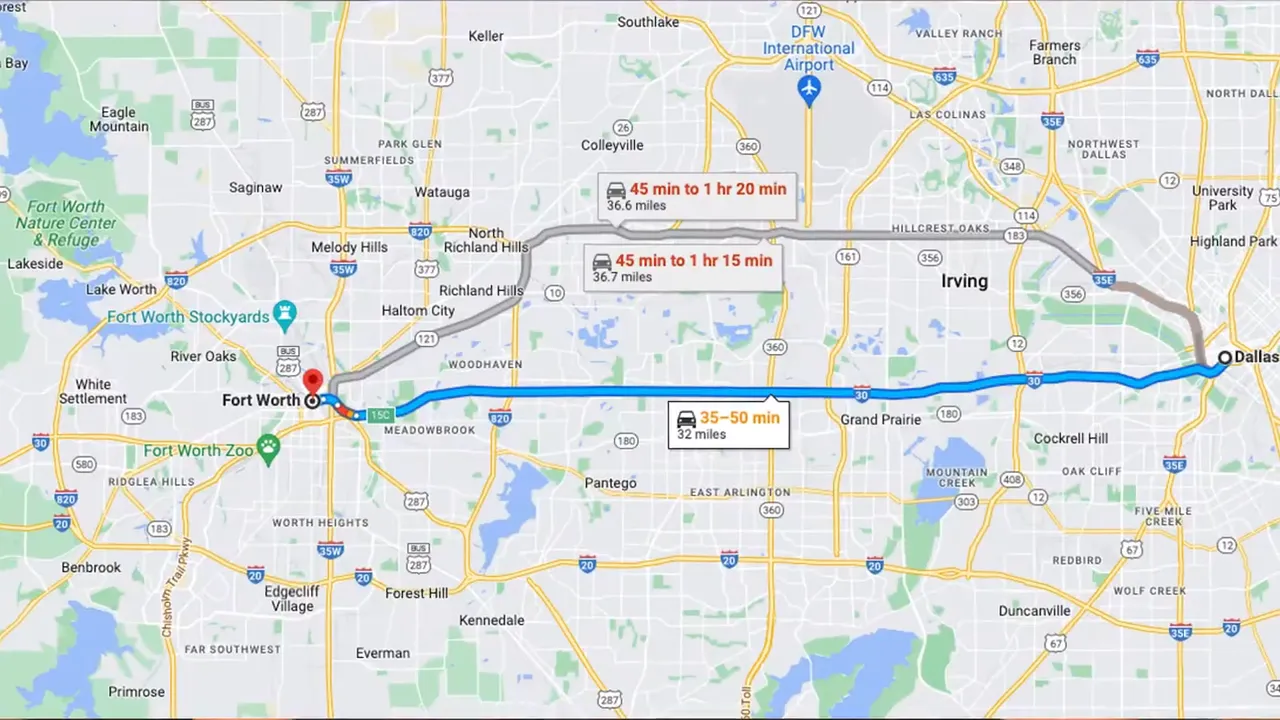
So as we weigh the pros and cons of living in DFW, it helps to stop thinking in broad labels and start thinking in zones:
- Where will we work?
- How much commute can we tolerate?
- Do we want urban energy or suburban breathing room?
- Do we care more about nightlife, schools, or newer homes?
Once we answer those questions, DFW starts making a lot more sense.
Pros of Living in DFW
1. The economy is strong and still growing
One of the clearest advantages in the pros and cons of living in DFW conversation is opportunity. North Texas keeps growing in both population and business presence. Large companies have major operations here, and more keep arriving.

That steady business growth supports a healthy job market across a lot of industries. For people moving for work, changing careers, or looking for better long term upside, DFW is often high on the list for good reason.
Texas is also known for being business friendly, which tends to draw employers and investment into the region.
2. No state income tax
This is one of those points people love to hear when comparing the pros and cons of living in DFW. In Texas, we do not pay state income tax. That can make a real difference in take home pay, especially for people relocating from higher tax states.
Now, that does not mean taxes disappear altogether. They just show up differently, which brings us to one of the main tradeoffs.
3. Affordability can still work in your favor
For many people coming from places with a very high cost of living, North Texas feels more manageable. Wages often stretch further here, and the overall financial picture can be easier to work with, depending on where we are moving from and what kind of home we want.
That affordability story is a big reason so many families keep choosing DFW.
4. There is a lot to do
DFW has entertainment covered. Sports, music, cultural events, shows, restaurants, and big annual traditions all help make life here feel full.

Every major sports season has something local to rally around, and the region takes that seriously. If we move here, odds are good we will eventually adopt at least one home team whether we planned to or not.
There is also nightlife, especially in Dallas and Fort Worth proper. The suburbs tend to be quieter, which can be either a pro or a con depending on what kind of lifestyle we want.

5. The food scene is part of the lifestyle
We cannot have an honest conversation about the pros and cons of living in DFW without talking about food. Tex-Mex and barbecue are basically part of the local operating system.
And beyond those staples, the restaurant scene is broad. One thing that surprises newcomers is how normal it is to drive 20, 30, even 40 minutes for dinner. That sounds extreme somewhere else. Here, it barely raises an eyebrow.
6. People are generally friendly
For all the size and sprawl, there is still a relational feel in a lot of pockets around North Texas. Especially in the suburbs, we often find people who care about community, know their neighbors, and genuinely try to be welcoming.
That part of Texas culture is real. If we show up open, friendly, and respectful, we usually get that right back.
7. Texas culture has its own flavor
There are little things that become part of life here. Friday night high school sports can feel like a major civic event. The State Fair of Texas is a real tradition. And yes, if we move here, we will probably start saying y'all sooner than we expected.

These things may sound small, but they shape the feel of a place. For a lot of people, they are part of why DFW feels like home once they settle in.
Cons of Living in DFW
1. Traffic is simply part of the deal
Let us be honest. One of the biggest cons in the pros and cons of living in DFW list is traffic. The metroplex keeps expanding, and with that comes more driving, more congestion, and more time on the road.
For many people, a normal commute falls somewhere around 25 to 45 minutes. That is not unusual here. It is just how the region works.
If we want a shorter commute, we usually need to plan very carefully around where we live and where we work.
2. You really need a car
Public transportation exists, but it is much more useful in the urban core than out in the suburbs. For most people living in DFW, daily life depends on having a vehicle.
That means budgeting not just for a car, but for gas, maintenance, insurance, and tolls.
3. Toll roads are everywhere
Another item on the pros and cons of living in DFW list is toll infrastructure. A lot of newer roads and major routes involve tolls, so getting a toll tag early is a smart move.
The upside is that these roads are usually well maintained. The downside is obvious. We are paying to use them.
4. Property taxes run higher
Remember that tradeoff for no state income tax? Here it is. Property taxes in many North Texas counties are relatively high, often in the 2 percent to 3 percent range.
That does not automatically make DFW unaffordable, but it absolutely needs to be part of the homebuying math.
5. The weather can test your patience
This is a major factor in the pros and cons of living in DFW. For much of the year, the weather is pretty good. But summer is serious business.
Expect stretches of 90 degree days and plenty of 100 degree days too. It gets hot, and it stays hot.
There is also the famous Texas unpredictability. A week can swing wildly in temperature. One part of the week may feel mild and pleasant, and by the end of it we are grabbing jackets.
6. Severe weather is part of the region
Hail and tornadoes are real concerns in North Texas. They are not daily events, but they are part of life here, and we need to prepare accordingly.
That means paying attention to home insurance coverage and learning basic severe weather habits once we arrive.
7. Ice and snow can create chaos
Here is the funny one. If you are coming from a snowy state, this may be hard to believe, but when North Texas gets ice or snow, things can get a little dramatic. Grocery shelves empty fast. People drive nervously. Systems get stressed.
It is not because winter weather is constant. It is because it is not. That lack of repetition means the whole region is less practiced at dealing with it.
Suburban Life in DFW
A lot of people researching the pros and cons of living in DFW eventually realize they are not actually choosing between Dallas and not Dallas. They are choosing between dozens of suburban lifestyles around the metroplex.
Suburban living here often means:
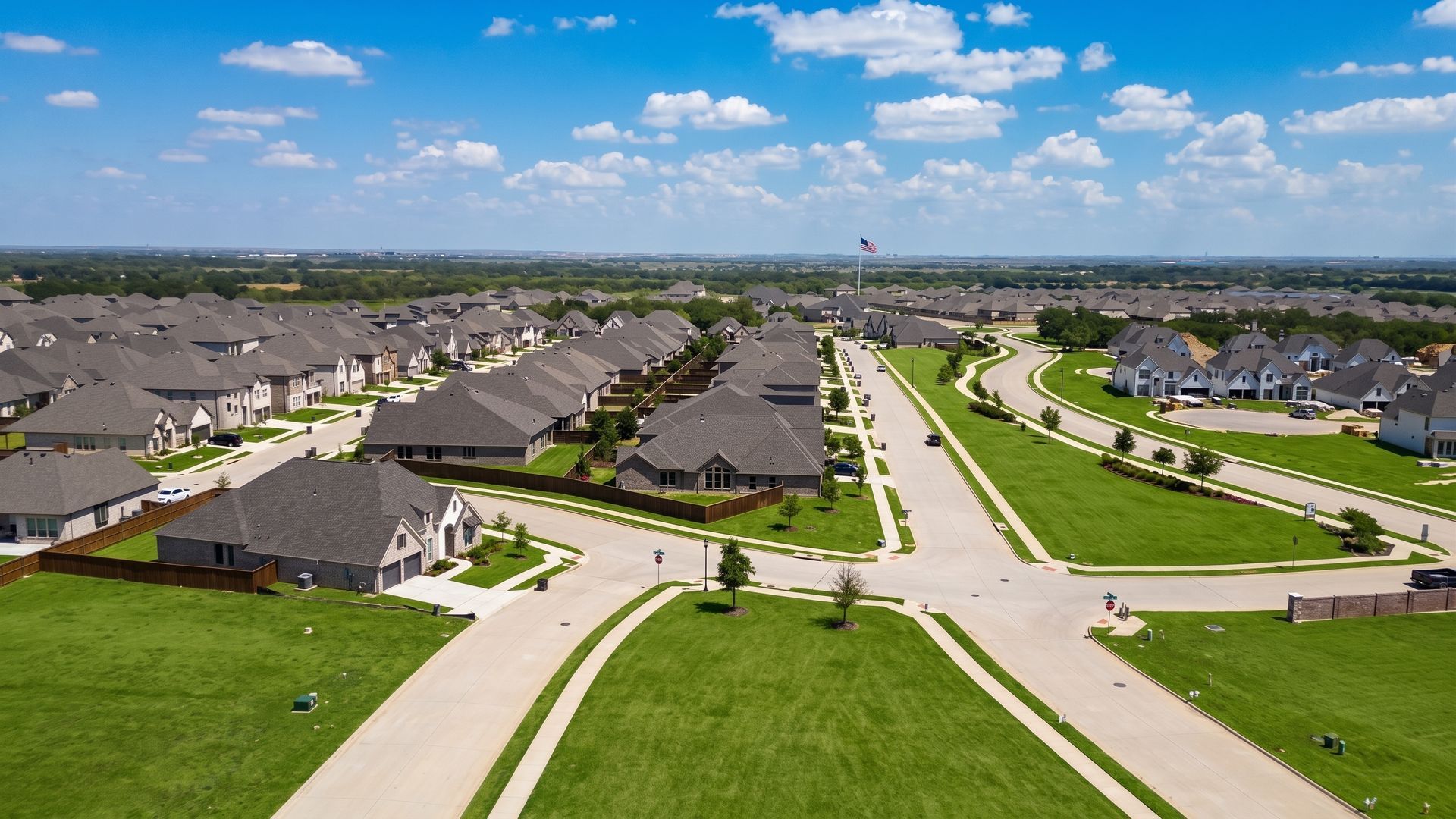
- More house for the money than in the urban core
- Newer neighborhoods and a lot of new construction
- HOAs in many communities
- Less nightlife nearby
- Greater dependence on driving
- Strong focus on school districts and youth sports
If schools matter to us, district quality becomes a major part of the home search. If we have kids who play sports, the local school culture can be a huge plus. In many towns, especially smaller suburbs, Friday night football and school pride are still a really big deal.
That suburban identity is a major reason so many families choose North Texas.
Housing Options in the DFW Metroplex
Housing is one of the more interesting parts of the pros and cons of living in DFW conversation because the options are incredibly broad.
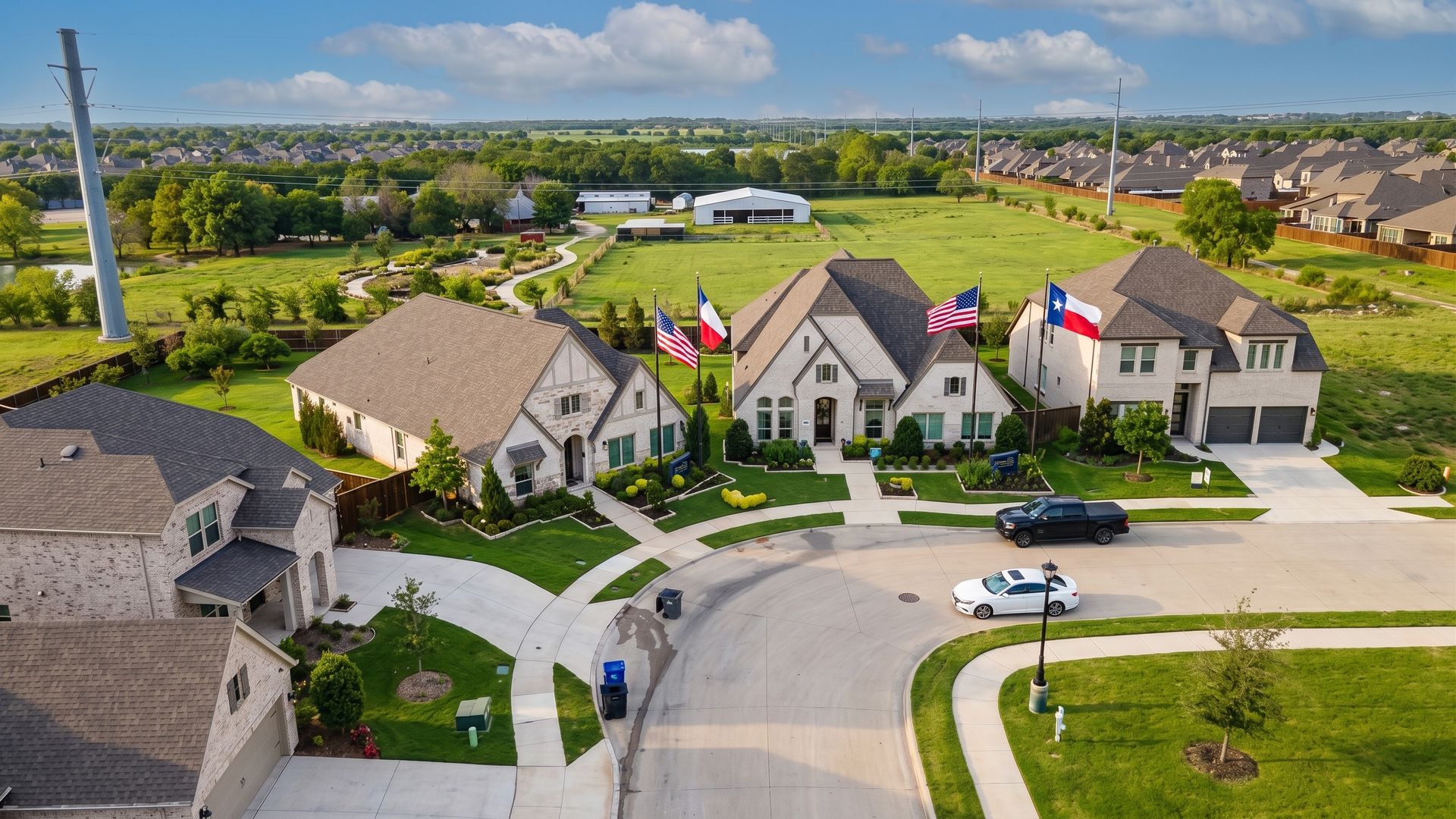
If we want luxury homes, they exist. If we want land and a more rural setup, we can find that too, usually farther out. If we want planned communities, HOAs, and new construction, North Texas has plenty of those as well.
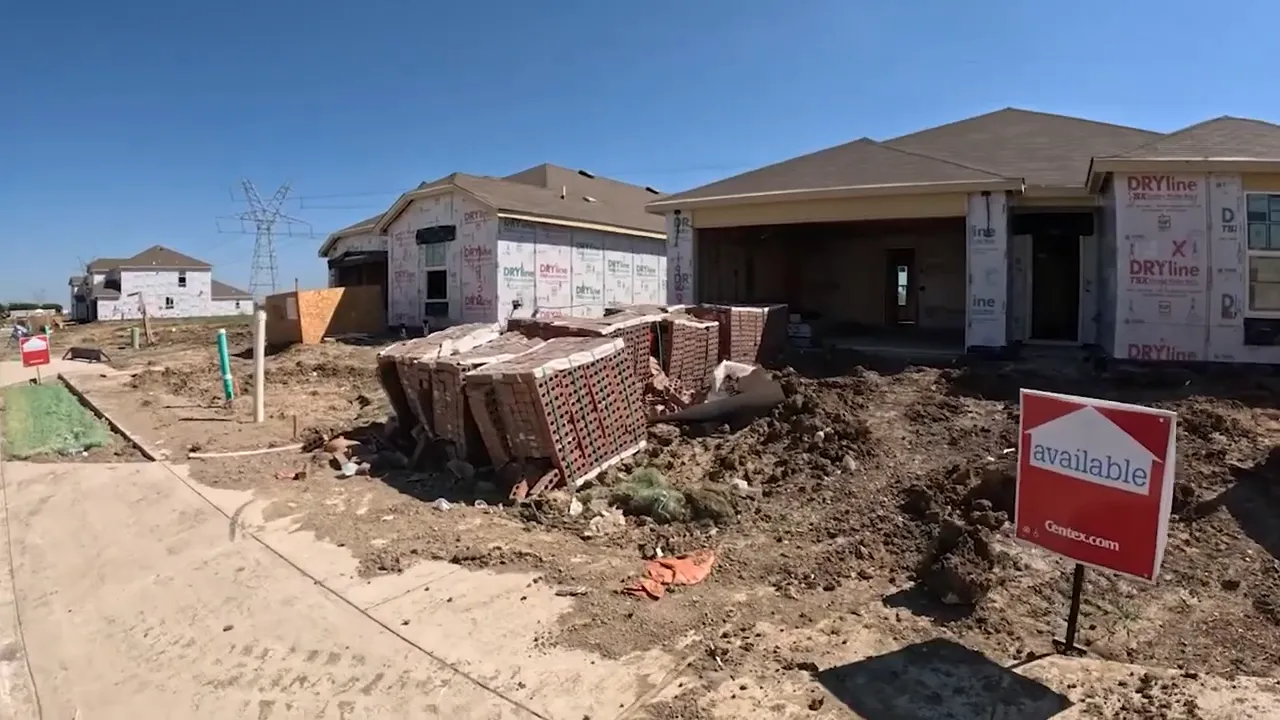
Growth is pushing north and east in a big way, though development is happening all over the metroplex. That is why home decisions here are rarely just about the house itself. They are about the full package:
- Budget
- Commute
- School preferences
- Lifestyle
- Urban versus suburban feel
- New construction versus resale
The right answer is different for every family, which is why blanket advice rarely works well in DFW.
Is Living in DFW a Good Choice??
For many of us, yes. When we look at the full pros and cons of living in DFW, the positives are pretty compelling.
We get economic opportunity, a big and varied housing market, no state income tax, strong suburban options, major sports and entertainment, great food, and a culture that is generally welcoming.
But we also need to go in with open eyes. Traffic is real. Heat is real. Property taxes are real. Distance matters here more than people expect. And choosing the wrong area for our daily routine can make life a lot harder than it needs to be.
So is DFW perfect? No. Nowhere is. But for a lot of people, it checks a whole lot of important boxes.
If we take the time to understand the map, respect the commute, and match the neighborhood to the life we actually live, DFW can be a really strong fit.
VIEW NEW CONSTRUCTION DEALS IN DFW
FAQs About the Pros and Cons of Living in DFW
Is DFW the same as Dallas?
No. DFW refers to the larger Dallas Fort Worth metroplex, which includes Dallas, Fort Worth, and a long list of surrounding suburbs and cities. That distinction matters a lot when comparing the pros and cons of living in DFW.
What is the biggest downside of living in DFW?
For many people, the biggest downside is traffic. Long drives and daily commuting are common, and where we choose to live can make a huge difference in quality of life.
Is DFW affordable?
It can be, especially compared with some high cost coastal markets. But affordability depends on home prices, commute needs, and property taxes. The lack of state income tax helps, while higher property taxes can offset part of that advantage.
Do we need a car to live in DFW?
In most cases, yes. Especially in the suburbs, daily life usually requires a personal vehicle. Public transit is more limited outside Dallas and Fort Worth proper.
What are the best lifestyle perks in DFW?
Some of the biggest perks include job growth, restaurant variety, major sports, family friendly suburbs, new construction communities, Texas culture, and access to a wide range of housing options.
What kind of weather should we expect in DFW?
Expect long hot summers, mild stretches during much of the year, and occasional severe weather like hail and tornadoes. Winter weather is less common, but ice can still create major disruption when it happens.
Ready to figure out the best part of DFW for your commute, budget, and lifestyle? Call or text me at 469-707-9077, and we’ll set up a plan that fits your needs. You can also book a meeting here —I’m happy to help you with new construction options and the next steps.

Zak Schmidt
From in-depth property tours and builder reviews to practical how-to guides and community insights, I make navigating the real estate process easy and enjoyable.