Building a New Home in DFW | What You Need to Know First
Thinking about building a new home in DFW? Good move — but the process can get overwhelming fast. This guide walks through the essentials you need to know before you sign a contract, pick finishes, or commit to a lender. It covers how communities are built, who you’ll be working with, realistic timelines, design center traps, incentives, inspections, warranties, and the blue tape walk-through. Read this before you start the process so you can avoid costly mistakes and make smarter choices.
Table of Contents
- Introduction to New Construction in DFW
- What New Construction Is in DFW
- How DFW New Construction Communities Work
- Who You Will Work With When Building in DFW
- How to Buy in a DFW New Construction Community
- DFW New Construction Upgrades and Design Choices
- DFW Builder Incentives and Financing Offers
- DFW New Construction Timelines and Updates
- Why a New Home Inspection Matters in DFW
- The Blue Tape Walk-Through in DFW
- Final Thoughts on Building a New Home in DFW
- FAQs About Building a New Home in DFW
Introduction to New Construction in DFW
If you’re seriously considering building a new home in DFW, expect questions. Lots of them. Before you jump in, get clear about what type of new construction you mean: a fully custom home on your own lot or a production home inside a development built by national or regional builders. The differences change timelines, design freedom, cost, and who is managing the work.
VIEW NEW CONSTRUCTION DEALS IN DFW
What New Construction Is in DFW
When you hear “new construction” in DFW, it usually means the developer has bought land, gotten approvals, and brought in multiple builders to populate the community. These builders can include national names and regional companies, each offering different floor plans, standards, and options. Not all builders are the same — some focus on faster turnover, some on higher-end finishes, and some on competitive pricing.
How DFW New Construction Communities Work
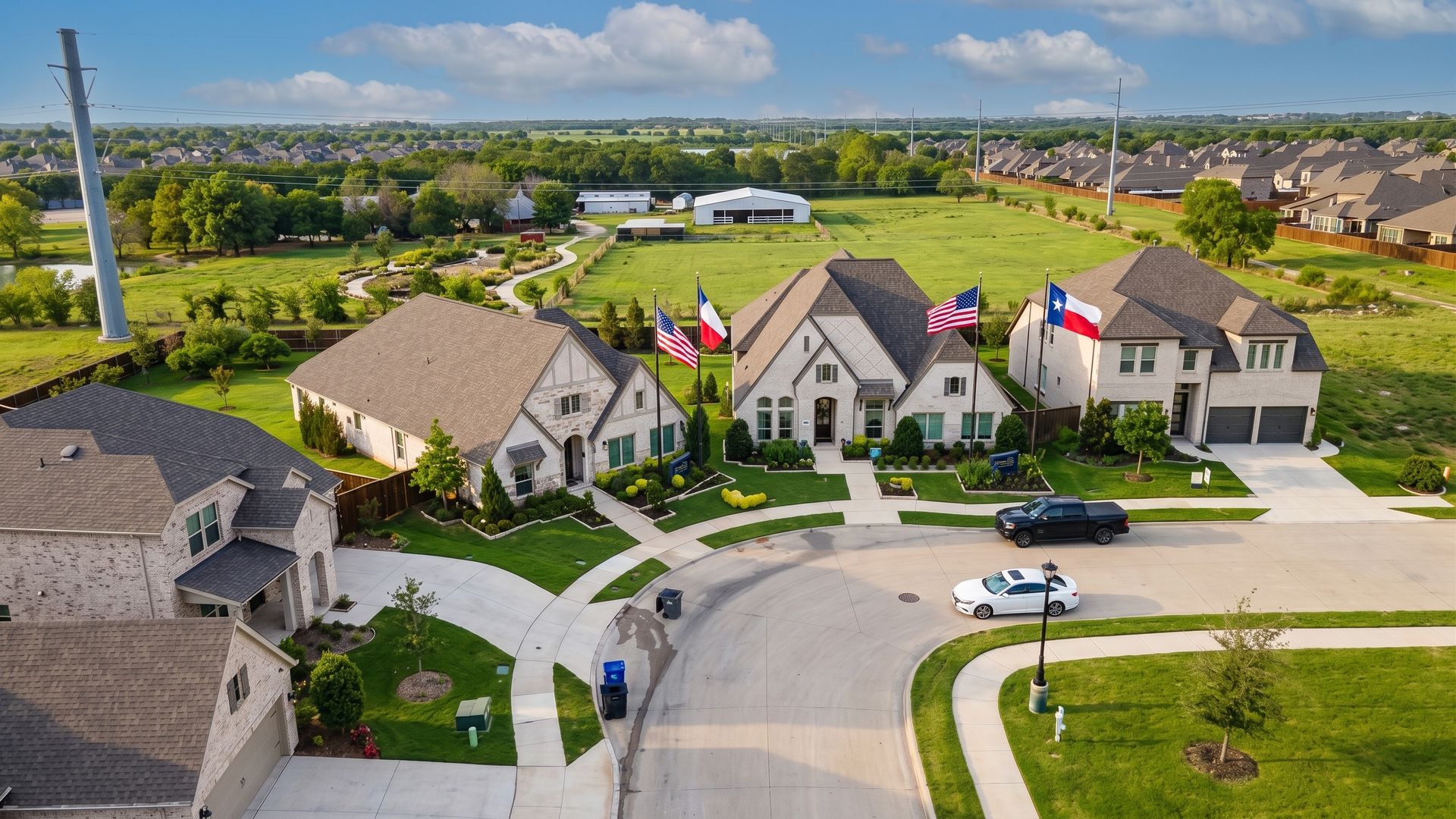
Developers divide neighborhoods into lots and sell those parcels to builders under various agreements. A community can have two builders or four or more. Sometimes a builder controls the bigger lots; sometimes builders split lots evenly. That means when you walk the same street you might be comparing products from different companies. Be mindful: the model home is the builder’s sales tool, not a neutral comparison of every company's strengths and weaknesses.
Who You Will Work With When Building in DFW
You’ll interact with three main people during the process:
- Builder sales rep — the friendly face in the model. They work for the builder and represent the builder’s interests.
- Builder (project manager) — oversees subcontractors and the build schedule.
- Your realtor — the one person who should be working solely for you, advocating for your best outcome.
Always bring a realtor with you. Builder reps are great, but they are paid by the builder. A realtor protects your interests, tracks timelines, and helps negotiate incentives and contract language. Feel free to call or text me at 469-707-9077.
How to Buy in a DFW New Construction Community
Two common ways into a build:
- Contract on a home at or near the start of construction (ground-up).
- Buy a spec or near-complete home when the builder is in final stages.
Timelines for ground-up builds in DFW are currently around six to nine months in many cases. If you contract when the home is at the drywall or pre-drywall stage, expect roughly 90–120 days to close — weather and supply issues can affect both estimates. Historically, supply chain problems pushed timelines much higher, so build in patience.
DFW New Construction Upgrades and Design Choices
Most builders now offer package-based selections at their design centers. A package typically bundles flooring, tile, cabinet colors, countertops, faucets, and hardware into tiers. Some builders still allow a la carte choices, but either way you’ll face a lot of tempting upgrades.
Design center pro tips:
- Create a clear budget and stick to it. It’s easy to add $50k–$100k quickly.
- Decide non-negotiables ahead of time and prioritize structural or permanent upgrades (garage configuration, room layout, additional doorways) over cosmetic items (hardware, small fixtures).
- Remember cosmetic items are easier and cheaper to change after closing; structural changes are expensive or impossible later.
DFW Builder Incentives and Financing Offers
Incentives like closing cost credits, price reductions, or interest-rate buy-downs are often tied to the builder’s preferred lender. Builders commonly have partnerships with mortgage companies, and incentives are sometimes split between the builder and lender. If you decline to use the preferred lender, you may lose incentives. Also remember the builder’s base price usually accounts for marketing, allocations for incentives, and your realtor’s commission.
DFW New Construction Timelines and Updates
If you’re under contract, expect regular communication. Ask for weekly updates from the builder or their sales rep — phone call, email, or text. Your realtor should be following up on your behalf.
Keep calm when you hear about delays. Sometimes a late drywall delivery or rainy week cascades into schedule changes. Your new home is built by people, and occasional mistakes or hiccups will happen. The key is proactive communication so issues are identified and corrected quickly.
Why a New Home Inspection Matters in DFW
Get an independent home inspection before closing. Spending $400–$600 for a professional inspection is worth it. This independent set of eyes will catch items the builder might have missed and gives you leverage to request fixes before closing. A new home inspection is one of the smartest buys in the process.
The Blue Tape Walk-Through in DFW
The blue tape walk-through happens roughly 7–10 days before closing. Bring your realtor and the builder’s rep. This is the inspection where you literally mark flaws with blue masking tape: test switches, run faucets, flush toilets, open doors, and turn on systems. The builder will also show you how mechanical systems work and identify shut-offs and maintenance items.
Warranties are a major advantage of new construction. Most builders offer a one-two-ten structure:
- 1 year — cosmetic items and workmanship.
- 2 years — mechanical systems and major components.
- 10 years — structural elements (foundation, framing).
Ask who handles warranty claims: the builder in-house or a third party? If the builder handles them directly, the same company that built your home will return to fix issues, which is often preferable. You are responsible for registering appliances and initiating warranty requests — they seldom proactively call you.
Final Thoughts on Building a New Home in DFW
Building a new home in DFW is exciting and, when handled correctly, can be a fantastic way to get a house tailored to your family. The biggest takeaways:
- Know what kind of build you’re doing — custom versus community production.
- Always work with a realtor who advocates for you.
- Prioritize structural upgrades over cosmetic ones at the design center.
- Expect weekly updates and be prepared for occasional delays.
- Get an independent inspection before closing.
- Use your warranty — register appliances and report issues promptly.
If you are thinking about building a new home in DFW and want expert guidance through the process, I would love to help. Whether you are comparing communities, reviewing builder options, or trying to make sense of timelines, upgrades, and lender incentives, having the right support can make a huge difference. Call or text me at 469-707-9077 to talk through your options and take the next step with more clarity and confidence.
FAQs About Building a New Home in DFW
How long does building a new home in DFW usually take?
Ground-up builds in DFW are commonly quoted at six to nine months today. If you enter the process at the drywall or pre-drywall stage, expect about 90–120 days to close. Always add buffer time for weather and supply delays.
Should I use the builder’s preferred lender to get incentives?
Most incentives are tied to the builder’s preferred lender. Using that lender can unlock closing cost credits or rate buy-downs. If you choose another lender, you may forfeit some or all incentives, so factor that into your decision.
Do I still need a home inspection for new construction?
Yes. An independent home inspection (typically $400–$600) is highly recommended. It catches items the builder might miss and gives you leverage to fix issues before closing.
What is a blue tape meeting?
A blue tape meeting is your pre-close walk-through, usually 7–10 days before closing. You and your realtor mark defects with blue tape, test systems, and the builder shows you how your home’s systems work. Corrections are scheduled before closing.
Who handles warranty claims for new homes?
Warranty handling varies by builder. Ask whether warranty claims are handled in-house or outsourced. In-house warranty teams mean the builder that built your house will return to fix issues. Regardless, you must register appliances and report problems to use warranties.
READ MORE: New Homes in Greenville TX Under $300K | What Buyers Should Know

Zak Schmidt
From in-depth property tours and builder reviews to practical how-to guides and community insights, I make navigating the real estate process easy and enjoyable.