
Builder Contract Checklist for New Home Buyers: What to Look for Before You Sign
Table of Contents
- Introduction
- TREC and Builder Contracts: What You Need to Know
- Deposit Amounts and Due Dates in Builder Contracts
- What Changes and Change Orders Are Allowed in Builder Contracts
- Understanding Builder Warranties: What’s Covered?
- Termination, Deadlines, and Carrying Costs in Builder Contracts
- Escalation Clauses and Price Changes in Builder Contracts
- Builder Incentives and In-House Lending: What’s the Deal?
- Appraisals, MUD/PID Riders, and Tax Riders in Builder Contracts
- Construction Dates and Realistic Timelines for New Builds
- Final Walkthroughs and Third-Party Inspections
- How to Use This Builder Contract Checklist for New Home Buyers
- FAQs
- Final Thoughts
Introduction
The phrase builder contract checklist for new home buyers is the single most useful tool you can have before you commit to a new-build purchase. Whether you are buying an inventory home that is almost finished or building from dirt up, a simple checklist focused on contract details will keep you from losing money, missing deadlines, or getting surprised by unexpected fees.
TREC and Builder Contracts: What You Need to Know
This section of the builder contract checklist for new home buyers explains an important legal distinction: resale transactions are governed by the Texas Real Estate Commission rules, but most builder sales use their own company contracts. That matters. Salespeople in model homes are usually employees of the builder, not licensed agents with the same fiduciary duties you expect in a resale transaction.
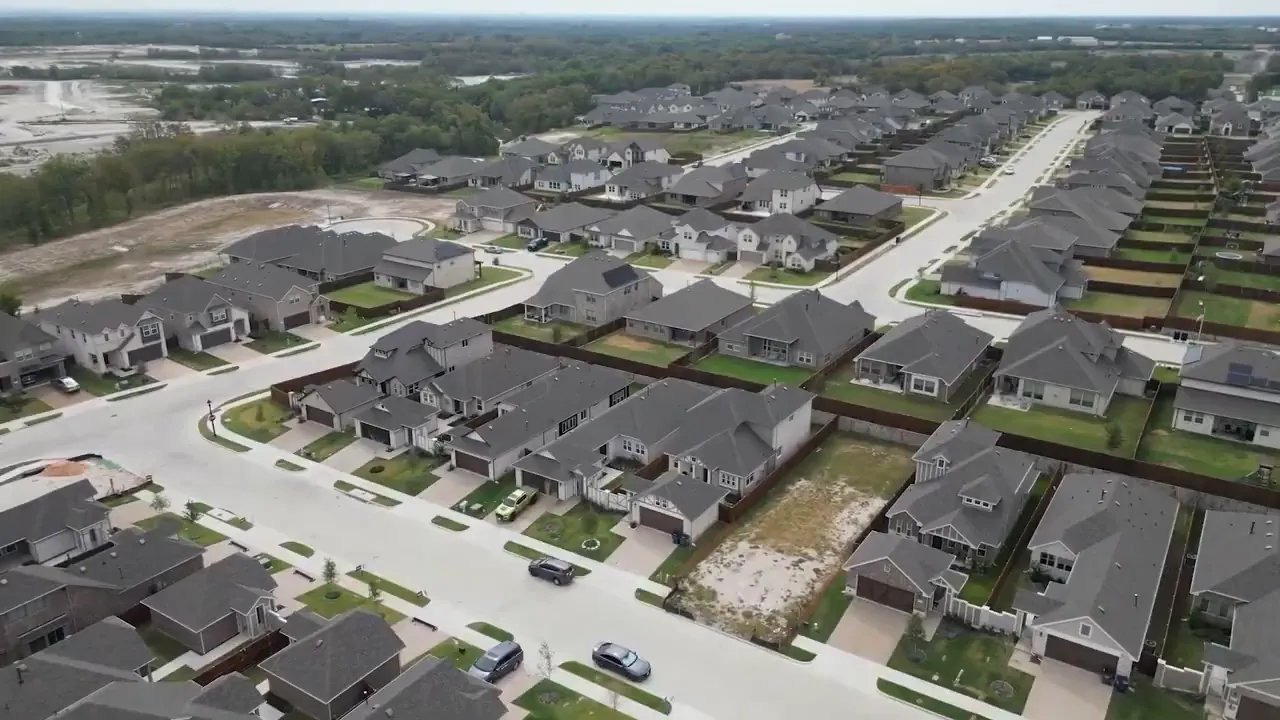
Because builder agreements are drafted by each builder's legal team, the language varies and tends to favor the builder. Knowing that upfront changes how you read the contract. Your goal is not to rewrite it with a pen; it is to understand the protections and the exposures so you can negotiate where possible, ask the right questions, and avoid costly surprises.
Deposit Amounts and Due Dates in Builder Contracts
One of the first items on any builder contract checklist for new home buyers should be the deposit schedule. Deposits differ depending on whether you purchase an inventory home or build from the ground up.
Inventory Homes
- Most inventory homes require a single earnest money deposit. That deposit might be a flat amount like $5,000–$7,000 or a percentage (1%–2%) of the price.
- The deposit usually secures the contract and is credited at closing, but look closely at refund language in case you cannot close.
- Lot premiums (corner lots, lake lots) often add to the initial deposit or require separate payments.
Ground-Up Builds
- Expect multiple deposits: an upfront base deposit and additional deposits tied to design selections.
- Builders commonly require 25%–50% of design selection costs up front, or they might ask for 50% of any amount you spend over a set allowance.
- Ask: When are deposits due? How are they credited at closing? Are deposits negotiable?
Deposits can be negotiable with builder leadership, but not usually with the salesperson in the model. If you make unique or hard-to-resell selections, the builder will likely expect larger deposits to protect their risk.
What Changes and Change Orders Are Allowed in Builder Contracts
Change order policy should be another core item on your builder contract checklist for new home buyers. Builders will include deadlines and fees for changes once materials are ordered and construction progresses.
- There is a cutoff point when structural or finish changes are no longer allowed; after that, change orders are usually charged with a processing fee plus design/redesign fees and the material cost.
- Typical fees might be a $500 processing fee plus a $350 redesign fee, then the cost of the change itself.
- Confirm the timeline for changes. Ask the builder to put milestone dates in writing, especially for selections.
Also look for language covering product availability. If a piece of brick, tile, or a specific cabinet line is unavailable, the contract will usually require a reselection rather than an indefinite delay. Most builders will not charge a change fee when the reason is product unavailability, but they will not wait forever for your decision.
Understanding Builder Warranties: What’s Covered?
Warranty terms are one of the most critical sections on the builder contract checklist for new home buyers. Warranties explain what the builder will fix, for how long, and who handles the service.
- Common warranty structures are 1-2-10: one year for cosmetic items, two years for mechanical systems (HVAC, plumbing, electrical), and ten years for structural items including foundation.
- Texas law changed in 2023 and now allows builders to offer as little as a six-year structural warranty. Verify what each builder actually guarantees in writing.
- Ask whether warranty service is handled in-house or through a third party and whether warranties are transferable to a future buyer.
Note that items outside the builder's control—trees, sod, and landscaping—are often excluded. Read the fine print and ask for examples of covered and excluded items so you know how claims are handled after move-in.
Termination, Deadlines, and Carrying Costs in Builder Contracts
Every builder contract checklist for new home buyers should include the contract termination and delay language. That section describes what happens if either party cannot close when scheduled.
- Read what happens to your deposit if you decide not to close. Some builders keep it, some credit it, some offer a limited credit to use later—but it varies.
- If your home is ready and you are not, expect holding fees. Contracts often permit builders to charge a daily fee if you delay beyond the stated closing window.
- Conversely, you rarely can charge the builder if they miss a completion date. Builder contracts are typically written to protect the builder, not the buyer.
If closing slips because the builder misses the target, your recourse is limited. That is why the checklist includes specific guidance on planning your schedule and buffers—pencil dates and add 30 days when necessary for ground-up builds.
Escalation Clauses and Price Changes in Builder Contracts
Material cost escalation language is another must-have on the builder contract checklist for new home buyers. After the supply chain disruptions of recent years, many builders include escalation clauses that allow price increases under certain conditions.
Good news: in recent local deals the seller rarely invoked escalations. Most builders honor the contract price, but the clause remains. Read it to know when and how a price could change and whether your incentives are linked to that price.
Builder Incentives and In-House Lending: What’s the Deal?
Closely tied to pricing language are incentives. Your builder contract checklist for new home buyers should map how incentives are structured and whether they depend on using the builder's lender.
- Builders often split incentives between design or structural credits and finance credits. Some combine them into one lump-sum pool you can spend as you like.
- A portion of closing cost incentives is often tied to using the builder's in-house lender. If you shop an outside lender, part of that incentive may be lost.
- Inventory homes are the most common place for rate promotions and lender-tied incentives. Expect explicit language in the contract about any rate deals, credits, or lender conditions.
While many buyers stay with the in-house lender for convenience—systems are integrated and funding lines up smoothly—shop rates and evaluate whether the lender-tied credit still makes sense for your overall cost.
Appraisals, MUD/PID Riders, and Tax Riders in Builder Contracts
Make sure your builder contract checklist for new home buyers includes appraisal and tax-related items.
- Appraisal clause. If your new home appraises for less than the contract price, the contract will spell out how the shortage is handled. Know whether you are responsible for making up the difference, whether the builder will adjust price, or if the deal can be terminated.
- MUD/PID riders. If the property is in a Municipal Utility District or a Public Improvement District, the tax implications will be in the contract. Understand what those riders add to your property tax bill and how long they last.
Construction Dates and Realistic Timelines for New Builds
Dates on builder contracts are educated guesses. Add this to the top of your builder contract checklist for new home buyers: pencil the date and give yourself at least a 30-day buffer on either side for ground-up builds.
Construction timelines can accelerate as easily as they can delay. When finishes start going in—cabinets, countertops, flooring—the completion date becomes more solid. But remember, builders have corporate schedules and pressures that sometimes push completion dates forward unexpectedly.
If a builder informs you that your home is ready earlier than you expected, that might sound like great news, but it can create real logistical headaches if you are not prepared to close. Factor in movers, loan documents, and inspections before you celebrate an early finish.
Final Walkthroughs and Third-Party Inspections
Your builder contract checklist for new home buyers must include language about inspections and walk-throughs. Always ask whether third-party inspections are allowed and whether the contract requires any specific inspection process.
- Third-party inspections. Do not skip them. Confirm the contract permits an independent inspector and whether the builder attends the inspection or requires specific timing.
- Walkthrough. Understand when the final walkthrough happens, what defects are typically listed, and how the builder handles punch lists.
How to Use This Builder Contract Checklist for New Home Buyers
Use this checklist as a reading guide, not as a weapon to wildly edit a builder's contract. Builders will rarely accept hand-written changes from a salesperson. Instead, use the checklist to:
- Spot the sections that need clarification before you sign.
- Ask focused questions about deposits, refunds, change orders, warranties, and timelines.
- Decide whether an attorney review is necessary for specific legal concerns.
- Plan for contingencies like appraisal shortfalls, hold fees, and product substitutions.
Being prepared is the entire point. With this builder contract checklist for new home buyers in hand, you will read contracts smarter and make better decisions without getting bogged down by legalese.
FAQs
What should be the very first item on my builder contract checklist for new home buyers?
Start with deposit amounts and due dates. Know what you are paying, when you must pay it, and whether any part is refundable if the deal does not close.
Can I change builder contract terms if I find something I do not like?
Most builders will not allow handwritten edits. Negotiation is possible at a corporate level, but the sales rep usually cannot alter standard contract language. Use questions and agent negotiation rather than pen edits.
How do builder incentives work and are they tied to using the builder's lender?
Incentives can be a design credit, finance credit, or a lump-sum pool. Often part of the incentive is conditioned on using the builder's in-house lender. Confirm the split and decide whether the overall value still makes sense if you shop your own lender.
What if my home appraises for less than the contract price?
The contract will state how appraisal shortfalls are handled. Options include renegotiation, buyer making up the difference, or termination. Read that clause carefully before signing.
Are builders required to provide a 10-year structural warranty?
Not necessarily. Texas law changed in 2023 and permits builders to offer a minimum of six years on structural warranties. Many builders still offer 10-year coverage, but you must confirm what the specific builder promises in writing.
Should I hire an attorney to review a builder contract?
If you have major legal concerns, an attorney review is a prudent choice. It will not always change the contract, but it can clarify obligations, identify exposures, and provide peace of mind for complex deals.
How should I plan closing timelines for a ground-up build?
Pencil in the builder's target date and add 30 days on either side. Construction dates often fluctuate; planning with buffers avoids last-minute scramble and reduces the risk of holding fees or missed move-in readiness.
What if I want to make design changes after selections are finalized?
Expect change fees, redesign fees, and material costs. Builders set deadlines in the contract for when changes are allowed. If materials are already ordered, changes become costly or impossible, so finalize selections early where possible.
What exactly is a MUD or PID rider and why does it matter?
Municipal Utility District and Public Improvement District riders affect taxes and assessments. The contract will include rider language showing tax impacts. Know the cost and duration before signing, as they affect long-term ownership expenses.
How can I use the builder contract checklist for new home buyers to negotiate?
Use the checklist to identify negotiable items like deposit amounts, certain credits, or closing timelines. Present clear, reasonable requests and be prepared to escalate to builder leadership rather than expecting the model salesperson to accept major changes.
Final Thoughts
Use this builder contract checklist for new home buyers as your anchor when reviewing any builder agreement. It will help you read the important clauses, ask the right questions, and plan smartly for move-in day. When you understand deposits, change policies, warranties, incentives, appraisal language, and timelines, you can move forward with confidence.
READ MORE: How to Set Up Home Electric System: Practical Steps for New Build Construction

Zak Schmidt
From in-depth property tours and builder reviews to practical how-to guides and community insights, I make navigating the real estate process easy and enjoyable.