Buying a New Home in DFW: Your Complete Guide to New Construction
Table of Contents
- Introduction to Buying New Construction in DFW
- 1. Best Areas in DFW for Buying a New Home
- 2. New Construction Timelines in Dallas-Fort Worth
- 3. How to Budget for a New Home in DFW
- 4. Upfront Money for a New Construction Home in DFW
- 5. Best Lender Strategy for Buying New Construction in DFW
- 6. Pro tip: Why Working With a DFW New Construction Realtor Matters
- 7. When to Buy a New Home in the Dallas-Fort Worth Market
- 8. How to Research Builders and Communities in DFW
- FAQs About Buying a New Home in DFW
- Final Thoughts on How to Buy a New Home in DFW
Introduction to Buying New Construction in DFW
If you want to know how to buy a new home in DFW this year, start with a clear plan. Moving to or around the Dallas–Fort Worth area means choosing the right location, lining up realistic finances, and understanding timelines for new construction versus inventory homes. This guide lays out the step-by-step decisions that turn the intention to buy into a closing date you can rely on.
VIEW NEW CONSTRUCTION DEALS IN DFW
1. Best Areas in DFW for Buying a New Home
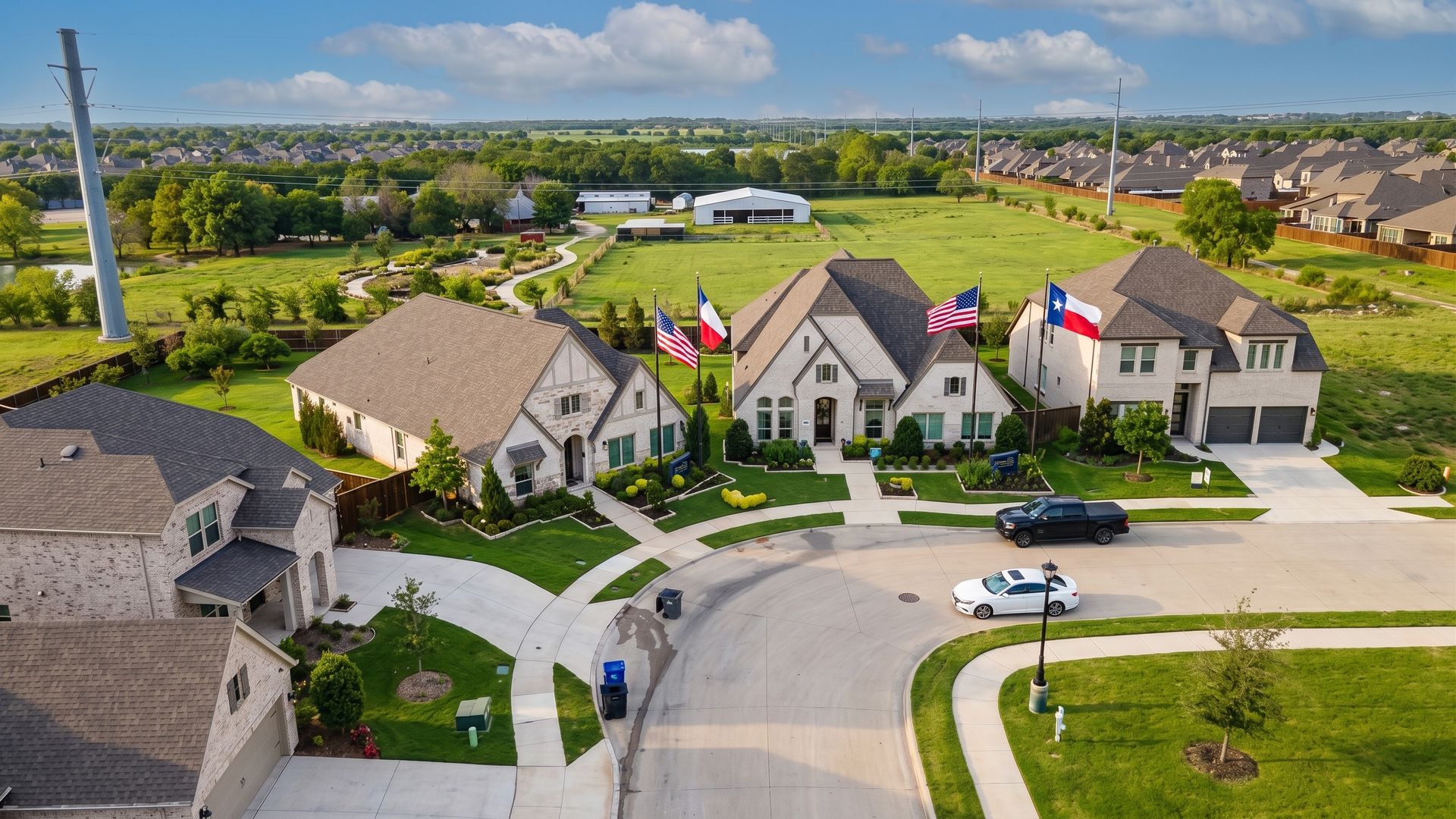
The Dallas–Fort Worth metroplex is huge. Fort Worth is not Dallas, and neither is the same as the surrounding suburbs. Begin by naming the neighborhoods or corridors that matter most: commute time to work, school zones, proximity to airports, and lifestyle priorities. If you want brand-new construction, expect to look further out from city centers—many inner suburbs were developed 15 to 25 years ago and have limited new inventory.
Once you pick a target area, match it against what your budget actually buys. Saying you want a 3,000-square-foot, four-bedroom house in Prosper for $400,000 is a mismatch—those homes don’t exist at that price. Do a quick market check before falling in love with a community.
2. New Construction Timelines in Dallas-Fort Worth
Your timeline determines whether you buy inventory or build from the ground up. Typical options:
- Inventory quick close: 30 to 45 days.
- Near-complete inventory: 60 to 120 days.
- Ground-up build: 6 to 8 months (commonly 6–8 months in DFW).
Work backward from any hard move date. If a lease ends in April, you want to close by late March to avoid scrambling. For a July move-in on a ground-up build, contracting in January or February is usually required. If you need to be home by March, focus on completed or nearly completed inventory.
3. How to Budget for a New Home in DFW
Getting clear on what you can afford is crucial when you learn how to buy a new home in DFW. Common loan options include:
- FHA with about 3.5% down
- Conventional with 5% down (if you qualify)
- VA loans and USDA in specific areas with income limits
Sit down with whoever is on the loan—partner, spouse, or co-buyer—and track monthly income and expenses. Practice the payment you expect to make each month by saving that amount now; it helps you confirm affordability and builds reserves.
4. Upfront Money for a New Construction Home in DFW
New construction involves money at a few key moments:
- Earnest money at contract: typically $3,000–$10,000 or a percentage of price. Credited at closing but due at contract.
- Design deposit during a build: when you select finishes—can be 10%–50% of design costs or a set fee. Usually due 45–60 days after contract.
- Inspection fees: expect $400–$800 per inspection for phase checks or final inspections.
- Down payment and closing costs: varies by loan and incentives but plan ahead.
If you plan to use cash, make sure funds are in a bank account the lender can verify. If funds come from gifts or retirement accounts, arrange documentation early so underwriting is smooth.
5. Best Lender Strategy for Buying New Construction in DFW
Many builders attach incentives to using their preferred lender. That can translate into credits to buy down your interest rate or help with closing costs. If you already have a lender you like, talk through scenarios: get a pre-approval to understand purchasing power, but be prepared that switching to the builder’s lender may be required to access the full incentives.
Respect the time of any lender helping you early—if you’re leaning heavily toward a specific builder, it may be efficient to coordinate with the builder’s lender later in the process.
6. Pro tip: Why Working With a DFW New Construction Realtor Matters
You can buy without representation, but the builder pays for buyer representation and a realtor can advocate for you. Sales teams represent the builder’s interests. A knowledgeable agent will:
- Explain contract terms and incentives
- Advise on design selections and deposits
- Schedule inspections and follow phase checklists
- Help negotiate upgrades or rate buydowns

Some builders limit adding buyer representation after your first visit, so bring an agent along early if you want someone on your side. Book a time in my calendar to discuss.
7. When to Buy a New Home in the Dallas-Fort Worth Market
Predicting interest rate moves and inventory shifts is tough. One practical approach when learning how to buy a new home in DFW is this:
- If builders are offering rate buydowns or credits now, those incentives can reduce your monthly payment immediately.
- Waiting for rates to drop could mean more competition and higher home prices later—using builder incentives early can make sense for many buyers.
Thousands of people are moving to DFW every month. Builders struggle to keep up, which keeps incentives in play for buyers who are ready.
8. How to Research Builders and Communities in DFW
Don’t sign a contract on day one. Compare builders, read community plans, inspect sample homes, and ask about:
- Warranty coverage and service response
- Standard vs upgraded finishes and who installs them
- Estimated completion timelines and weather or supply contingencies
FAQs About Buying a New Home in DFW
How soon should I start preparing if my lease ends in four months?
Start now. If you need to move in four months, prioritize inventory that is completed or nearly completed. Allow 30–45 days for closing and factor in move overlap. For a ground-up build, four months is usually too short.
What cash do I need upfront for a new build?
Expect earnest money at contract, possible design deposits 45–60 days in, inspection fees for phase inspections, and funds for down payment and closing. Plan for $3,000–$10,000 earnest money and $400–$800 per inspection as ballpark figures.
Should I use the builder’s preferred lender?
Builder lenders often unlock the biggest incentives. Get a pre-approval from your lender to know your purchasing power, then weigh whether switching to the builder’s lender is worth the incentives offered.
Can I buy new construction without an agent?
Yes, but a buyer’s agent who understands new construction provides advocacy, explains contracts, and manages inspections at no extra cost to you—the builder typically pays the agent’s commission.
Is 2024 a good time to buy in DFW?
Market timing is uncertain. If incentives to lower your rate are available now, that can make purchasing earlier attractive. Expect continued migration into DFW and ongoing demand for inventory.
Final Thoughts on How to Buy a New Home in DFW
Buying a new home in DFW is not just about finding a floor plan you like. It is about choosing the right area, understanding your timeline, preparing your finances, and making smart decisions about builders, lenders, and representation so you can move forward with confidence. When you take the time to plan well on the front end, you put yourself in a much better position to avoid surprises and secure a home that truly fits your lifestyle and long-term goals.
If you are thinking about buying a new construction home in DFW and want expert guidance on where to start, I’d love to help. Call or text me at 469-707-9077 for personalized help with builders, communities, pricing, incentives, and available homes across Dallas-Fort Worth.

Zak Schmidt
From in-depth property tours and builder reviews to practical how-to guides and community insights, I make navigating the real estate process easy and enjoyable.