Builder Warranties in DFW: What’s Covered, What’s Not, and What No One Tells You
If you are buying new construction in DFW, one of the biggest selling points you will hear about is the warranty. And to be fair, builder warranties in DFW can be a real benefit. They give you protection that you simply do not get the same way with most resale homes.
But here is the part nobody really says clearly enough: builder warranties are great, and they can also be frustrating. Both things can be true at the same time.
I spend a lot of time helping people with new construction, and I think the biggest issue is not that warranties exist. It is that a lot of buyers go in with the wrong expectations. If you understand what builder warranties in DFW actually cover, what they do not cover, and how the process usually works, you are going to save yourself a lot of stress.
Table of Contents
- What Builder Warranties In DFW Usually Cover
- Why New Construction in DFW Isn’t Perfect
- Pre-Closing Walkthrough in DFW Homes
- Why You Need a Third-Party Inspection in DFW
- How Builder Warranty Claims Work in DFW
- Handling Warranty Issues After Closing in DFW
- Are Builder Warranties in DFW Worth It?
- FAQs About Builder Warranties in DFW
- Final Thoughts
What Builder Warranties In DFW Usually Cover
Most builders offer some version of a standard warranty package. The exact details vary by builder, but in Texas it often looks something like this:
- 1 year for cosmetic items and workmanship issues
- 2 years for major systems like plumbing, HVAC, and electrical
- 6 or 10 years for structural components and foundation issues
The one-year portion is usually where things like chipped materials, fixture problems, minor drywall cracks, or items not functioning the way they should get addressed.
The two-year portion typically applies to the systems inside the walls that make the house work.
The structural warranty is the long-term coverage. In recent years, some builders in Texas have shifted from 10-year structural coverage to 6 years, depending on how they handle changes in state law and claims timelines. So if you are comparing builder warranties in DFW, this is absolutely something to ask about.
Another important distinction is who actually handles the warranty. Some builders service warranties in-house with their own team. Others outsource the process to a third-party company. There are pros and cons to both, but in my experience, in-house warranty service often feels a little smoother and easier to navigate.
VIEW NEW CONSTRUCTION DEALS IN DFW
Why New Construction in DFW Isn’t Perfect
This may be the most important mindset shift when buying new construction in DFW.
New does not mean perfect.
I do not care whether the home costs $300,000 or $3 million. I do not care whether it is an entry-level builder or a luxury builder. There is no such thing as a completely perfect house built by human hands.
That does not mean the house is bad. It means it is real.
There may be a small ding somewhere. A wall may not be laser-perfect. A door may need adjustment. A fixture may fail. A hairline crack may show up as the house settles. That is exactly why builder warranties in DFW exist in the first place.
The warranty is not proof the builder expects your home to be bad. It is proof that even brand-new homes need time, use, and follow-up.
A lot of frustration happens when someone assumes a new house should be flawless in every tiny detail forever. That is just not realistic. If you go in understanding that there will likely be a punch list and a few issues to work through, you will handle the process much better.
Pre-Closing Walkthrough in DFW Homes
Every builder has some version of a final walkthrough before closing. They may call it a blue tape walk, new home orientation, warranty walkthrough, or something similar.
Whatever they call it, take it seriously.
This is your chance to:
- Learn how your home functions
- Check doors, windows, fixtures, appliances, and systems
- Identify visible defects or damage
- Make sure anything obvious gets documented before closing
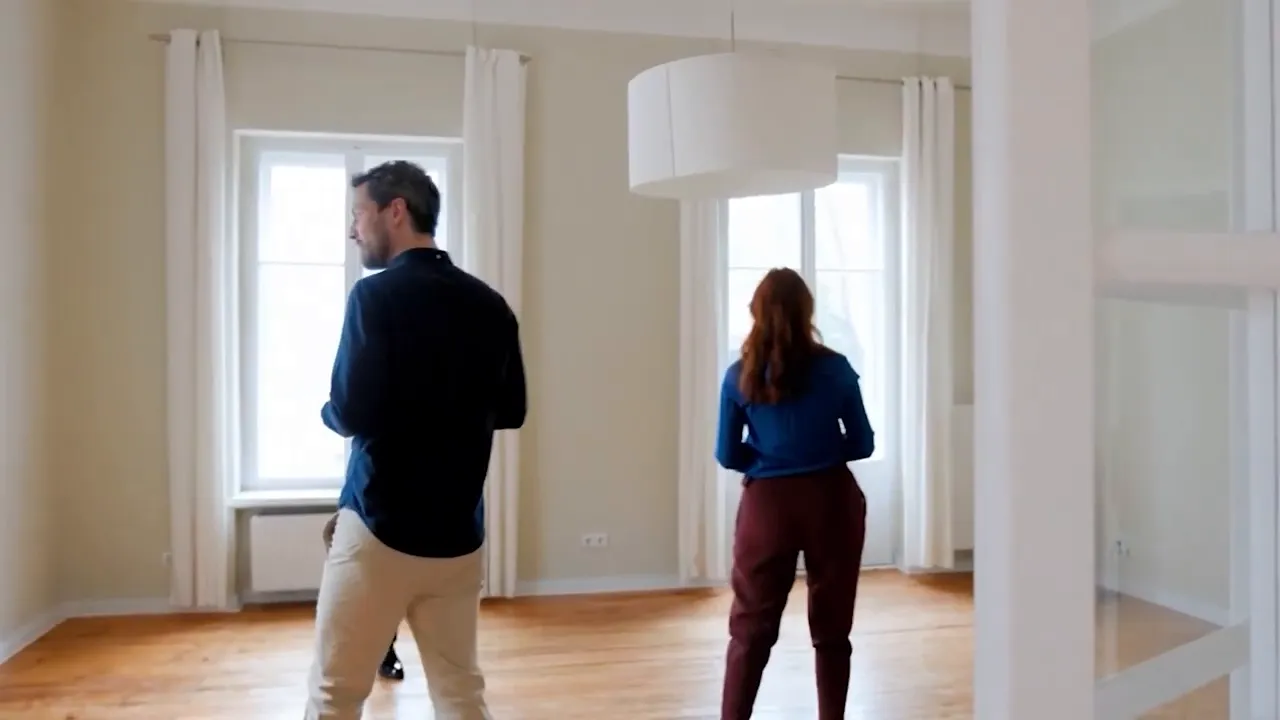
You want to show up engaged. Open things. Close things. Turn things on. Flush toilets. Test faucets. Check cabinets. Run the shower. Make sure doors latch correctly. If something hums, sticks, leaks, or does not operate properly, point it out.
That said, I also want to be honest here. Some buyers go looking for microscopic flaws and expect the builder to rebuild portions of the home over tiny imperfections that are within tolerance. That usually is not going to happen.
A simple rule of thumb is this: if it does not function the way it is supposed to function, that is the stronger case for repair. If it is a major cosmetic defect like a cracked countertop or chipped tile, yes, that should be addressed. But if you have to stand six inches from the wall under perfect lighting to find a tiny blemish, there is a decent chance the builder is going to say it meets standards.
Why You Need a Third-Party Inspection in DFW
I will die on this hill: get your home inspected.
Yes, even if it is brand new.
Yes, even if the city has already inspected it.
Yes, even if the builder has its own quality control process.
A third-party inspector is there to represent your interests and give you another set of trained eyes on the property. Ideally, I like the inspection to happen shortly before the builder walkthrough so you can bring that report with you and hand it over.

Now, here is where expectations matter again. Sometimes your inspector will call out something that is technically correct by code or best practice, and the builder may still push back for practical reasons or because of how they built that particular home.
That does not mean the inspection was useless. It means the report gives you information, leverage, and clarity. Then you decide what to push on and how hard to push.
If it is major, fight for it. If it is minor and the builder will not budge, you may need to decide whether it is worth the battle.
How Builder Warranty Claims Work in DFW
Here is the secret truth behind builder warranties in DFW: the coverage may be solid, but the process can be messy.
Builders do not love warranty work. Sometimes too many warranty claims can create internal problems for construction teams. Sometimes it costs money to send trades back out. Somebody has to pay for the labor. Somebody has to coordinate the electrician, the plumber, the HVAC company, or the drywall team.
And when a third-party warranty company is involved, communication can get clunky fast.
You may deal with:
- Call centers
- Delayed scheduling
- Trades showing up with poor communication
- Appointments that get moved or missed
- Back-and-forth between the builder and outside vendors
I wish I could tell you the process is always smooth. It is not.
If the builder services its own warranty work, things often go a little better. Not perfect, but better. That is why one smart question to ask before signing with a builder is:
Who handles the warranty, and what does that process look like?
That one question can tell you a lot about the experience you are likely to have after closing.
Handling Warranty Issues After Closing in DFW
Once you move in, your home starts behaving like a lived-in home. That means you may notice things that did not show up before closing.
You might see:
- Settlement cracks in sheetrock
- Driveway or concrete cracking
- Doors sticking or shifting
- Rooms that do not regulate temperature evenly
- Small adjustments needed after regular use
This is normal enough that many builders now do a 30- to 45-day post-close check-in or walkthrough.
My best advice is simple:
- Keep a running list of issues as they come up.
- Submit warranty requests clearly and specifically.
- Stay on the process.
- Follow up.
- Escalate politely when needed.
Unfortunately, with builder warranties in DFW, you often have to own the process. If you assume every item will be handled automatically and promptly, you may be disappointed.
If you worked with a good real estate agent, this is also the time to lean on them. Sometimes an agent can reconnect with the builder's sales team or community contacts and help get movement on stalled items, especially while the builder is still actively selling in that neighborhood.
That matters because once a community is built out and the sales team moves on, it can get a little harder to get traction.
Are Builder Warranties in DFW Worth It?
For all the headaches I just laid out, I still believe builder warranties in DFW are a meaningful advantage.
If you buy a resale home, you generally do not get the builder standing behind the product the same way. Sure, you may be able to buy a separate home warranty plan, but that is not the same thing, and those come with their own frustrations too.
With new construction, at least there is a defined period where certain cosmetic issues, system defects, and structural concerns may be covered.
So no, builder warranties are not perfect.
But they are still valuable.
The key is going in with your eyes open:
- Understand the coverage
- Know that new does not mean flawless
- Do your walkthrough carefully
- Get a third-party inspection
- Ask who services the warranty
- Expect to follow up after closing

If you do that, buying new construction in DFW can still be one of the best moves you make. You just need the right expectations from the start.
VIEW NEW CONSTRUCTION DEALS IN DFW
FAQs About Builder Warranties in DFW
Are builder warranties in DFW included with every new home?
Most builders offer some type of warranty package, and it is very common in new construction. The specific terms, lengths, and service process vary by builder, so you should always ask for the details in writing.
What is typically covered in builder warranties in DFW?
A common structure is 1 year for cosmetic or workmanship issues, 2 years for systems like plumbing, electrical, and HVAC, and 6 or 10 years for structural and foundation items. Coverage can differ depending on the builder.
Should I still get a home inspection on a brand-new house?
Yes. I strongly recommend a third-party inspection even on new construction. A separate inspector can catch issues before closing and give you a report to review with the builder.
Why do some warranty requests get denied?
Some items may be considered within normal building tolerance, within code, or outside the builder's repair standards. Functionality issues usually have a stronger case than tiny cosmetic imperfections that are hard to notice under normal conditions.
Is it better when the builder handles the warranty in-house?
In many cases, yes. An in-house warranty department can make communication and scheduling easier than working through a third-party warranty company. It is still worth asking how the builder handles claims before you buy.
What should I do after I move in?
Keep a list of issues as they come up, submit requests clearly, and stay on top of follow-up. Homes often reveal small adjustments after regular use, and staying organized helps you get the most out of your warranty period.
Final Thoughts
Builder warranties in DFW can be a great benefit when buying new construction, but they work best when you know exactly what they do—and don’t—cover. The key is going in with the right expectations, doing a solid walkthrough, and staying on top of any issues after closing.
If you’re thinking about buying new construction and want to make sure you’re protected from the start, I can help you navigate the process and the builder warranty side of things. Call or text me at 469-707-9077 anytime.
READ MORE: How Much Income Do You Need to Afford a Home in Dallas? (And How to Make It Work in DFW)

Zak Schmidt
From in-depth property tours and builder reviews to practical how-to guides and community insights, I make navigating the real estate process easy and enjoyable.